
George Lopez Opens Up: Cultural Identity & Comedy Insights
George Lopez Opens Up: Cultural Identity & Comedy Insights
- Lopez reflects on how his grandmother's resistance to his interracial high school romance shaped his worldview.
- Lopez breaks down the nuanced differences between Latino, Hispanic, and Chicano identities.
- Lopez and Hughley champion staying true to one's art and community, even in the face of public backlash.
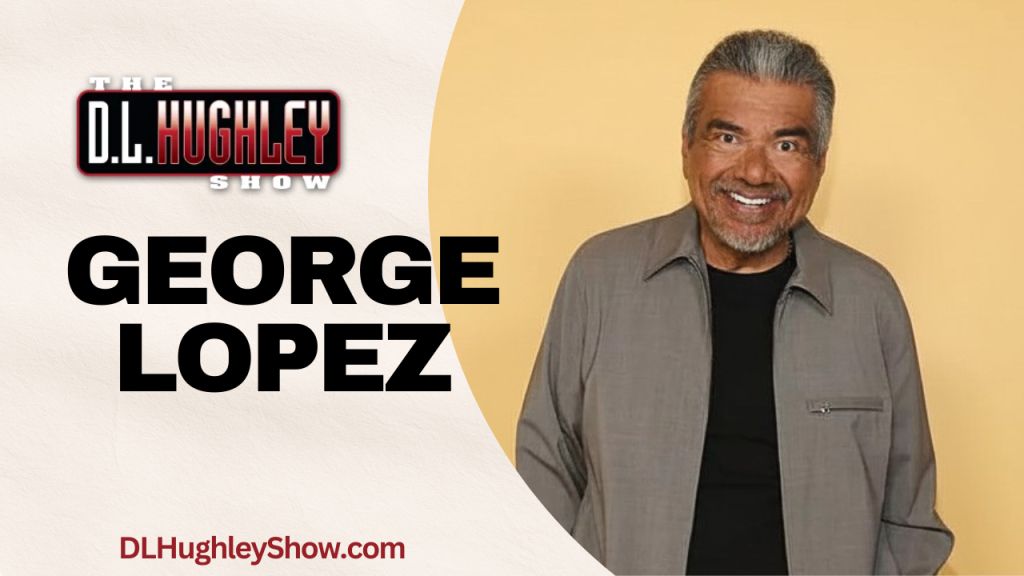
King of Comedy legend George Lopez recently sat down on The D.L. Hughley Show, delivering a powerful mix of humor and raw honesty. The conversation celebrated diversity and highlighted the deep, often unspoken bonds between Black and Brown communities. Lopez and Hughley shared stories that resonated well beyond the studio, touching on young heartbreak, cultural identity, and the importance of genuine friendship.
In the beginning of the interview, Lopez revealed that his first high school love in 1974 was an African American girl who looked just like the iconic television character Christie Love. He fondly recalled walking her home from school, only to be stopped by his traditional grandmother. She forced him into the car, insisting that society would never accept their relationship. Lopez shared how this early heartbreak shaped his worldview. He even joked that his only defense to his grandmother was pointing out that his skin was darker than the girl he loved.
RELATED STORY: Famous Comedians Who Died Too Soon and Left Fans Heartbroken
RELATED STORY: The Top 20 Black Comedians of All Time
Navigating Identity: Breaking Down Labels and Embracing Community
Lopez then broke down the complex layers of cultural identity, a topic highly familiar to anyone navigating systemic labels. When asked about the difference between Latino, Hispanic, and Mexican, Lopez explained that the government created the term Hispanic as a blanket category for the census. He noted that while Latino applies to anyone from a Latin American country, Chicano carries a more rebellious, street-smart edge. This breakdown sparked laughter while reflecting the shared struggle of minority groups reclaiming their identities from institutional definitions.
Society in the Hot Seat: Humor, Injustice, and Cultural Appropriation
The conversation quickly shifted to sharp societal humor, tackling everything from historical injustices to the gentrification of food. Lopez delivered a hilarious take on why Mexicans were never enslaved in America, joking that they would have simply undercut the labor market and actually started work on time. He also took aim at the mainstream appropriation of cultural staples. He called out the absurdity of nineteen-dollar bowls of guacamole and the disrespectful shortening of the word to guac. He pointed to avocado toast and bizarre fast-food mashups as prime examples of cultural elements being repackaged and overpriced.
Brotherhood and Resilience: Uplifting Each Other Through Authenticity and Loyalty
Beyond the laughs, the interview highlighted an inclusive journey of brotherhood and resilience. Hughley shared a personal story about facing severe public backlash over a controversial joke during a comedy tour. While others backed away, Lopez stood firmly by his side. Lopez advised Hughley never to apologize for his art. Hughley praised Lopez for his rare authenticity and humanity. Lopez responded by explaining that public anger over his comedy actually makes him proud, as it proves he is staying true to his craft and his community. This empowering exchange showcased the deep loyalty and mutual respect that defines true friendship.
READ MORE STORIES