Notable Events Since 2006 Reauthorization Of The Voting Rights Act
Brief Timeline Of Events Since Congressional Republicans Supported Reauthorizing The Voting Rights Act In 2006
1. Senate Renews Voting Rights Act (2006)
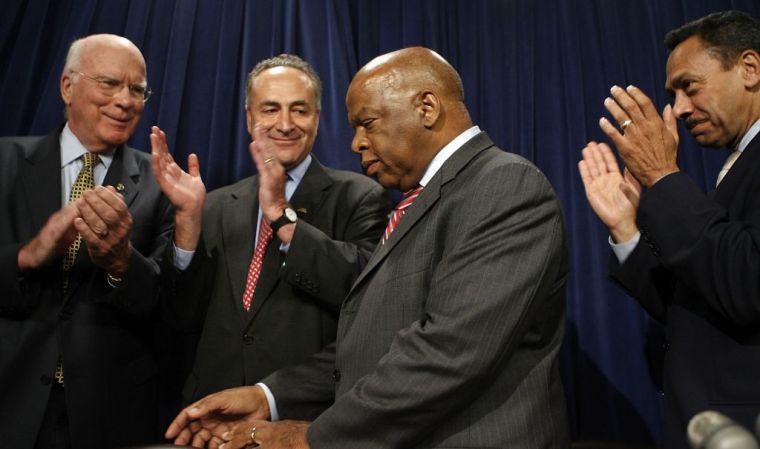
Named for Fannie Lou Hamer, Rosa Parks and Coretta Scott King, the Senate reauthorized the Voting Rights Act 98-0. Ahead of its passage, Senate Minority Leader Mitch McConnell spoke about the importance of passing the Voting Rights Act.
I happen to have been there the day the original voting rights bill was signed… We have, of course, renewed the Voting Rights Act periodically since that time, overwhelmingly, and on a bipartisan basis, year after year after year because members of Congress realize this is a piece of legislation which has worked. And one of my favorite sayings that many of us use from time to time is, ‘if it ain’t broke, don’t fix it.’
This is a good piece of legislation which has served an important purpose over many years… And this landmark piece of legislation will continue to make a difference not only in the South but for all of America and for all of us, whether we are African-Americans or not.
2. Bush Signs Reauthorization Of Voting Rights Act (2006)
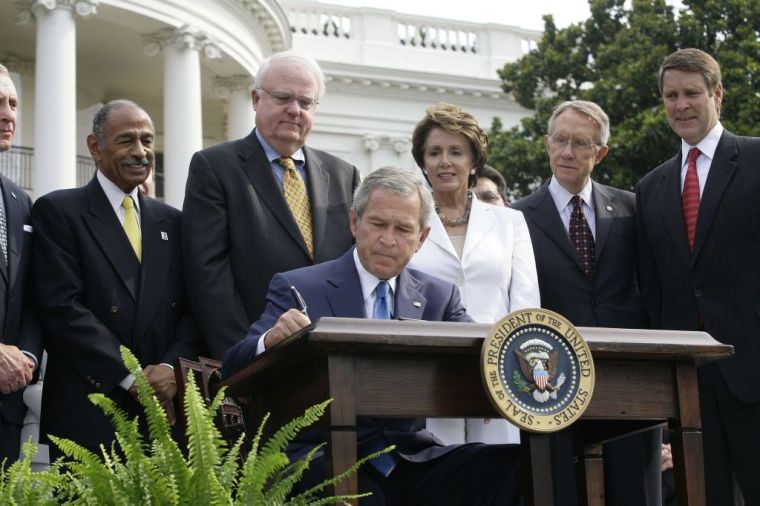
While a small group of House Republicans attempted to delay reauthorization, the bill passed the House and Senate with bipartisan support. It was then signed into law by President George H.W. Bush.
3. Barack Obama Elected President (2008)
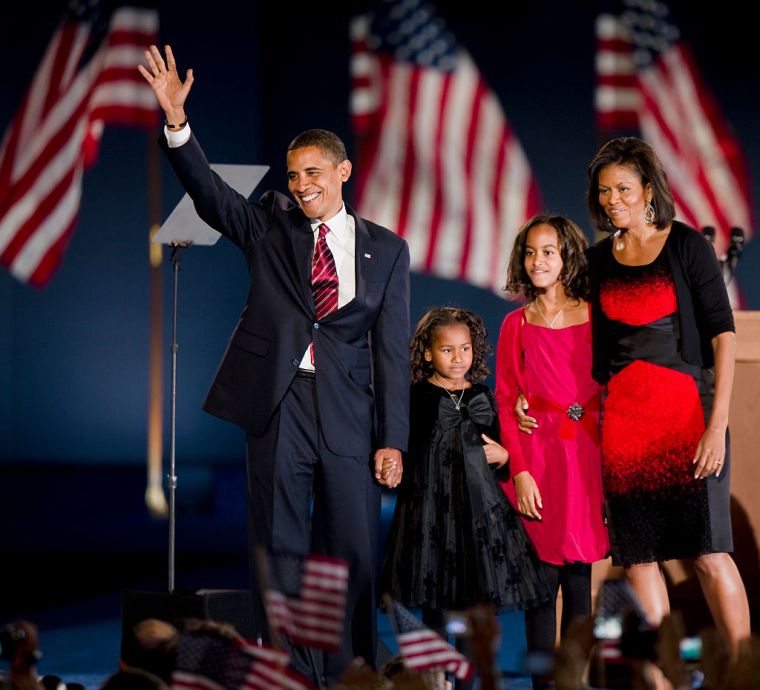
The 2008 election had the most diverse electorate of any election until that point. Black and other voters of color had increased participation giving a glimpse at a truly representative democracy. His election is often cited as a precipitating factor leading to the racist backlash felt in Congress and state legislatures.
4. Citizens United Ruling (2010)
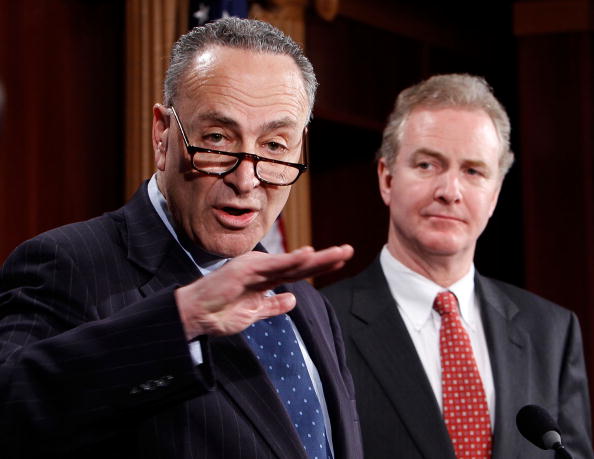
The Supreme Court decision in Citizens United ushered in a new era of independent political spending and campaign advertising that is not formally coordinated with a candidate or political party. This gave special interests outsized influence on the political process.
A report by Open Secrets found that $4.5 billion was spent by non-party entities on elections and an additional $1.2 billion by the top ten donors. “Independent groups spent billions to influence crucial races, supplanting political parties and morphing into extensions of candidate campaigns,” read the report.
5. State Voting Law Changes (2011)
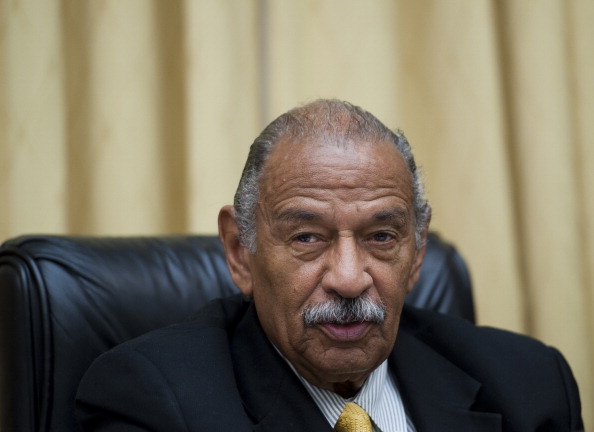
As the ranking Democrat on the House Judiciary Committee, the late Rep. John Conyers, Jr. chaired a forum on “Excluded from Democracy: The Impact of Recent State Voting Law Changes.” Several states passed restrictive voting rights laws that year, with some like Alabama having their laws blocked by the preclearance provision of the Voting Rights Act. A 2011 Brennan Center report found over 5 million voters could have lost access to the ballot as a result of state laws.
6. Supreme Court Hears Major Challenge To VRA (2013)
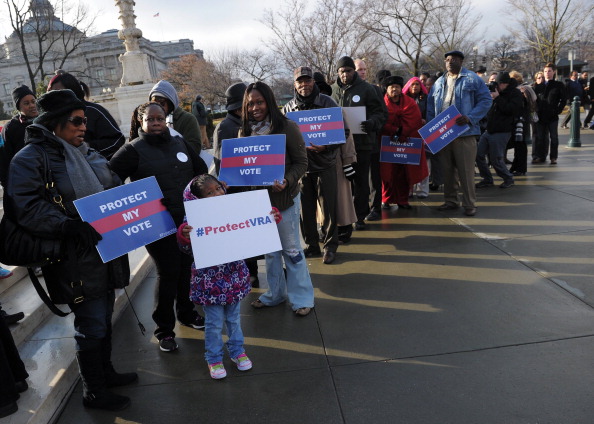
Supporters of voting rights brave the DC winter to show support for the Voting Rights Act as the Supreme Court prepared for oral arguments in Shelby County v. Holder.
7. Voting Rights Act Gutted (2013)
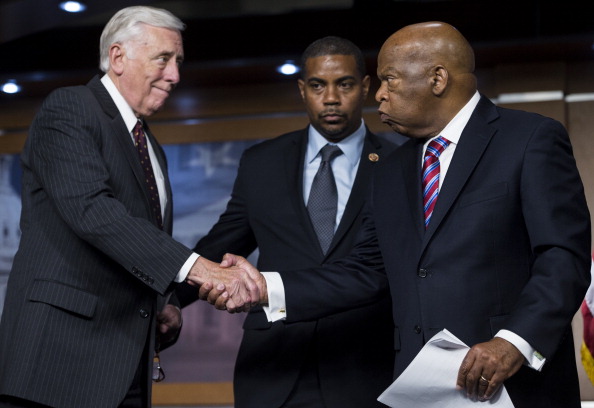
Democrats promise action in response to the Supreme Court decision in Shelby County v. Holder, gutting the Voting Rights Act of 1965. Writing for the majority, Chief Justice Roberts made the wild assertion that America just isn’t that racist anymore.
Immediately after the decision was released, Texas immediately enacted a restrictive voter ID law that had been previously struck down due to preclearance. Other states would soon follow.
8. Lawmakers Introduce Voting Rights Amendment Act (2014)
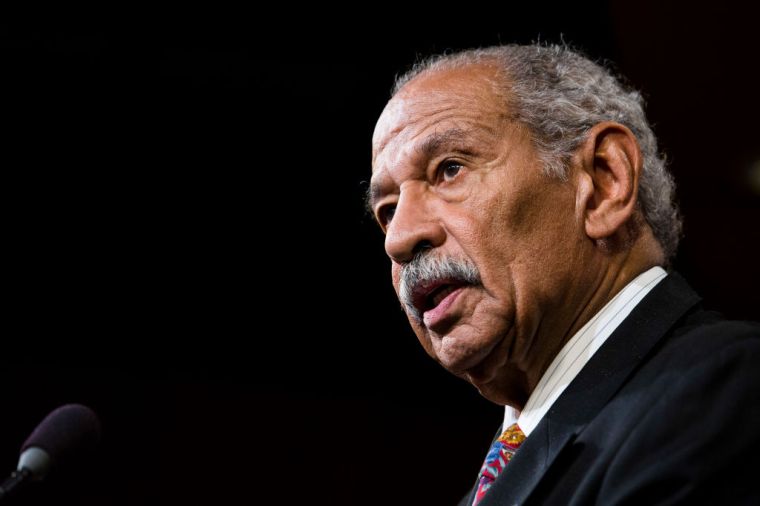
The late Rep. John Conyers led a group of lawmakers working on legislation to restore key parts of the 1965 Voting Rights Act.
9. Voting Rights Advancement Act (2015)

Democrats continue trying to pass legislation to restore the Voting Rights Act. In 2015, Rep. Terri Sewell from Selma, AL. introduced the Voting Rights Advancement Act of 2015.
10. First Election Without Full Protect Of The VRA (2016)
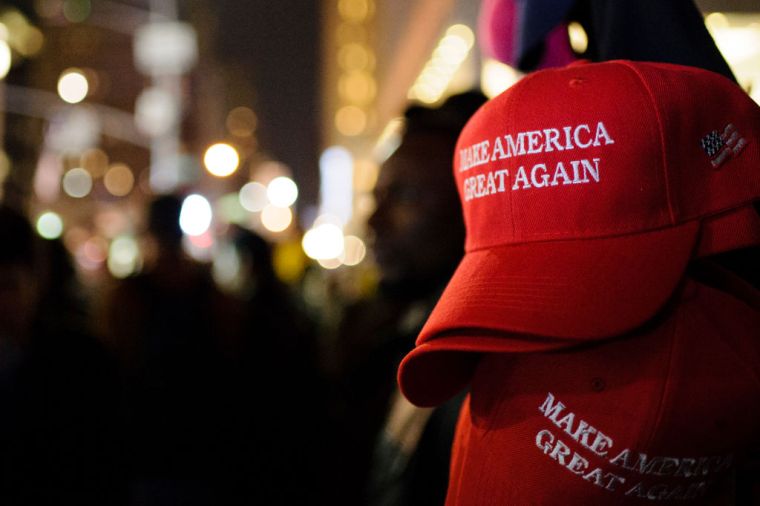
The 2016 election was the first presidential election in 50 years without the complete protection of the Voting Rights Act of 1965. A New Republic article examining the impact of voter suppression on the 2016 election cited an MIT study an estimated 16 million people had issues voting. The article also mentioned a Mother Jones report that found a decrease in Milwaukee’s voter turnout could have been due to voters not having the required photo ID to cast a ballot.
11. North Carolina Gets Two Strikes For Voter ID Law And Racial Gerrymandering (2017)
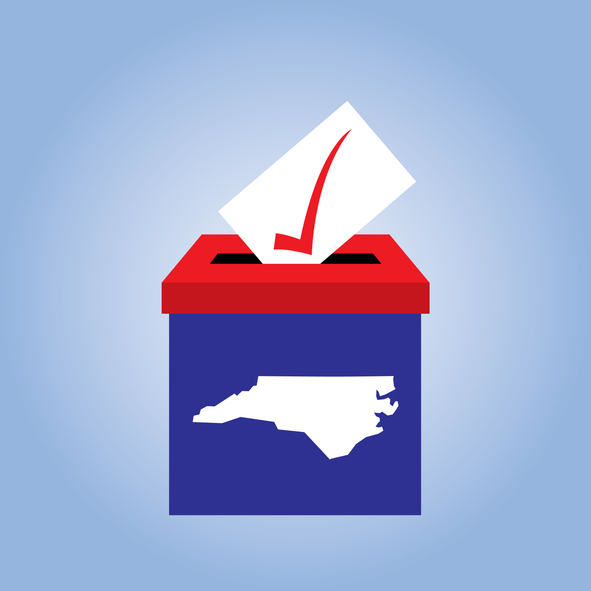
In 2017, North Carolina made the news for a racist voter ID law that a federal appeals court had previously struck down. The Supreme Court refused to hear the case on appeal. But the Supreme Court had taken up a case involving racial gerrymandering. As reported by Vox, the Court found that state lawmakers used race as a predominant factor when drawing the state map for congressional districts but could not provide a compelling state interest in doing so. State lawmakers were clearly trying to dilute Black voter power, not protect Black voter power as required by the Voting Rights Act.
12. Rise Of Stacey Abrams And New Urgency Around Voting Rights (2018)
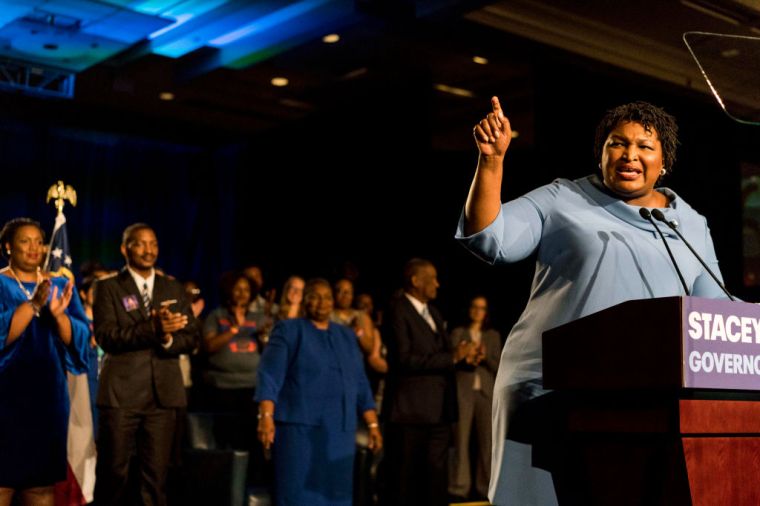
In 2018, Stacey Abrams became the first Black woman to win a major party nomination for governor. Abrams was a part of a diverse field of candidates for governor seeking to transform their respective states.
Running against Georgia’s Secretary of State Brian Kemp posed additional challenges. Kemp took every advantage of his office, including lying about Democrats trying to hack the state election system the weekend before the election. Leaked audio revealed a complaining Kemp worried about voter turnout efforts and people using and exercising their right to vote.
Despite the “loss,” Abrams successfully nationalized not only her race but the fight against voter suppression, elevating the work of voting rights advocates across the country. The attention generated by the organizing around the 2018 state and midterm elections created a renewed sense of urgency around voting rights.
Abrams and Georgia organizers were not the only ones raising awareness on this issue. Groups like Black Leaders Organizing Communities in Milwaukee, also made clear that voting rights was, not a southern issue.
13. Florida Voters Overwhelming Support Amendment 4 (2018)
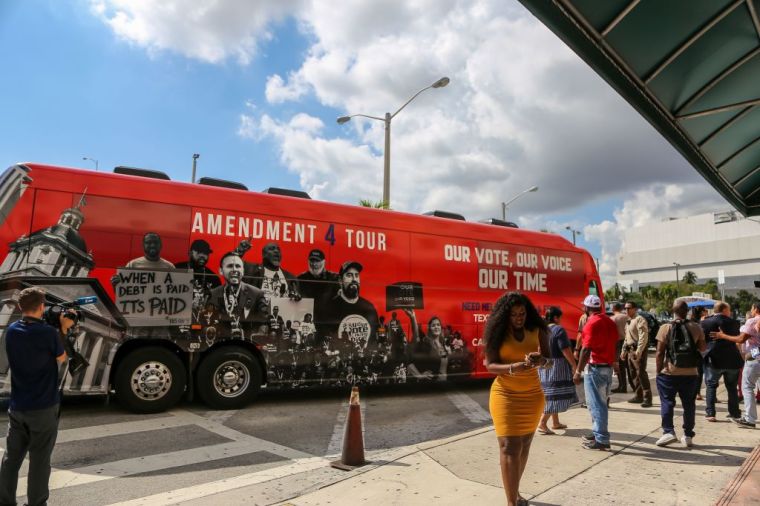
During the 2018 election, Florida voters approved an amendment restoring voting rights to formerly incarcerated people. The provision had support across party lines and gave more than 1 million Floridians access to the ballot. But the Republican-controlled Florida legislature, with the blessing of newly elected Gov. Ron DeSantis, passed legislation in 2019 to curtail the impact of Amendment 4, claiming the law required residents to completely pay all fines and fees, restitution, and court costs before having their rights restored. Lawmakers took advantage of ambiguous language when a sentence was considered complete and created a new financial hurdle to voting access.
14. House Convenes Field Hearings On Voting Rights (2019)
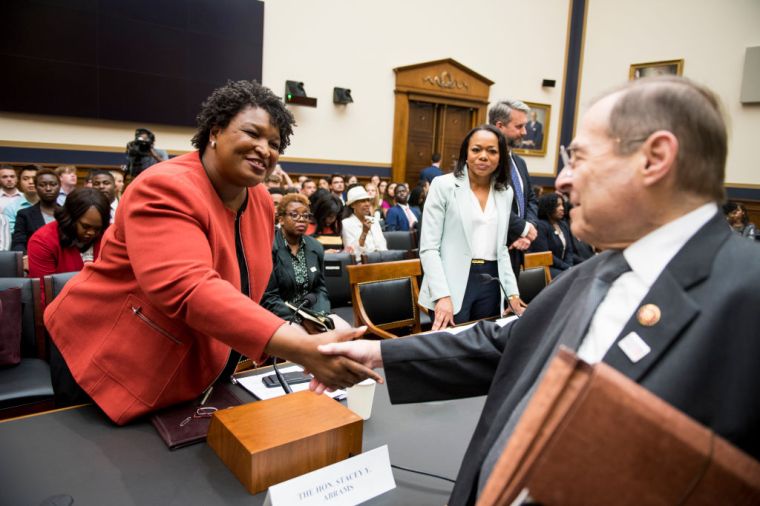
The House held more than ten hearings related to voting rights in 2019 alone. Chaired by then Rep. Marcia Fudge, the House Subcommittee on Elections held a Field Hearing on Voting Rights and Election Administration in Georgia. Fudge cited the increased voter removal rates and poll closures since Shelby during her opening remarks.
Testifying before the committee were Stacey Abrams, Sean Young from the Georgia ACLU, a Fulton County voter who sounded the alarm on an improper purge notice, Gilda Daniels with the Advancement Project and Cliff Albright from Black Voters Matter. More hearings would follow in the House and Senate in 2020 and 2021.
15. House Votes On Voting Rights Advancement Act (2019)
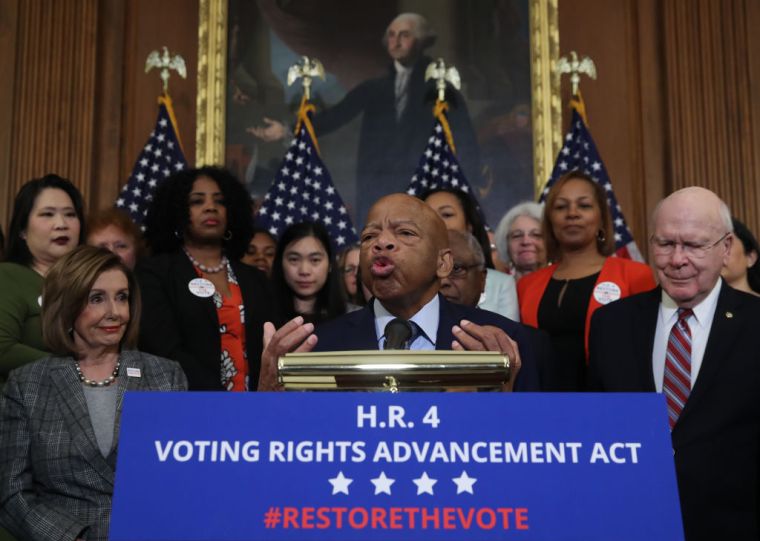
The bill known as H.R. 4 passed the house with a vote of 228-187, with only one Republican voting to support it. It advanced to the Senate, where then Senate Majority Leader Mitch McConnell refused to allow even discussion of the legislation. This legislation would have restored the Voting Rights Act, which McConnell previously praised as good law.
16. Pandemic Primary Elections (2020)
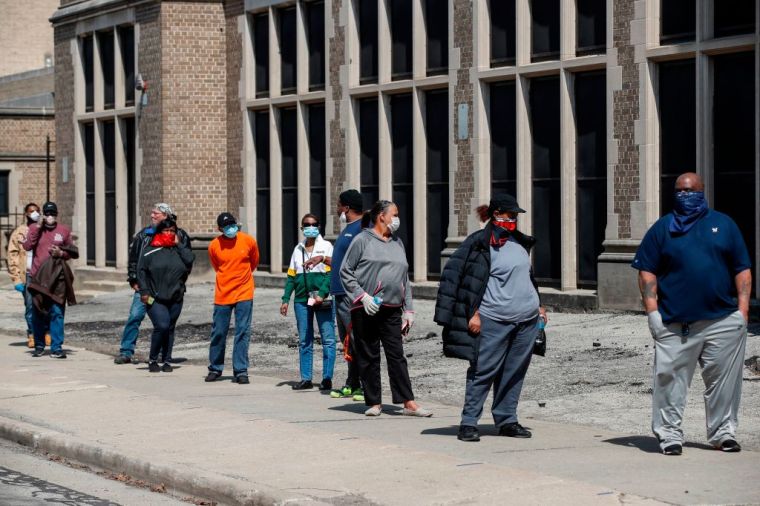
The Covid-19 pandemic hit the U.S. in the middle of the presidential primary process, forcing election officials and state legislatures across the country to grapple with the growing public health crisis in the middle of administering elections. Wisconsin’s primary drew attention after a controversial decision forced voters to wait in line to cast their ballots despite a state-wide stay-at-home order.
17. Increased Use Of Vote-By-Mail Despite Republican Opposition (2020)

Despite widespread Republican opposition, voters across the country increasingly used vote-by-mail options such as absentee ballots to cast their votes in the 2020 presidential election. While former President Trump and some Republicans cited virtually non-existent voter fraud as a cause for concern, groups across the political spectrum endorsed the use of vote-by-mail. They spent time educating the public on requesting ballots for states that relied on absentee ballots.
18. Georgia Voters Flip Two U.S. Senate Seats (2021)
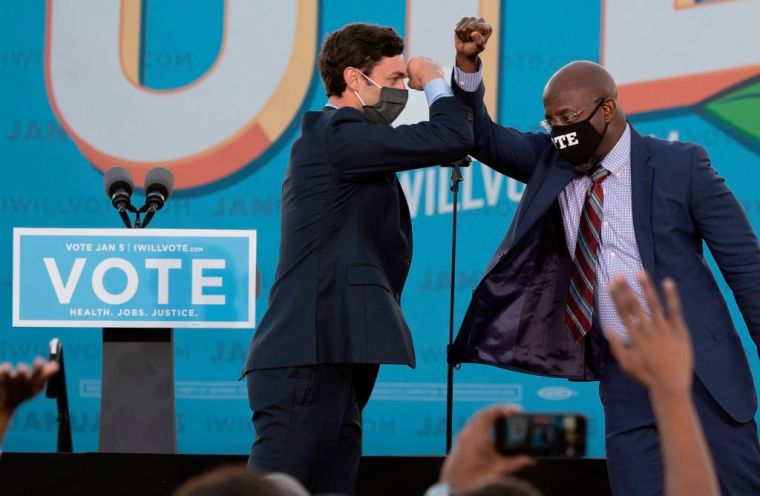
Georgia voters defied expectations and turned out in a post-New Year runoff election sending Sens. Jon Ossoff and Raphael Warnock to the U.S. Senate. The win highlighted the organizing efforts of grassroots groups and the power of a multiracial coalition. After the Georgia runoff election, Trump supporters hyped up on the “big lie” stormed the Capitol.
Following Trump’s “big lie” about the 2020 election and the presence of virtually non-existent voting rights, Republican-led legislatures pushed bills to restrict voting rights. According to the Brennan Center for Justice, over 440 bills were introduced in 49 states during the 2021 legislative session. Of these bills, 34 laws restricting voting access were passed in 19 states.
19. Black Voters Matter Leads Freedom Ride For Voting Rights (2021)
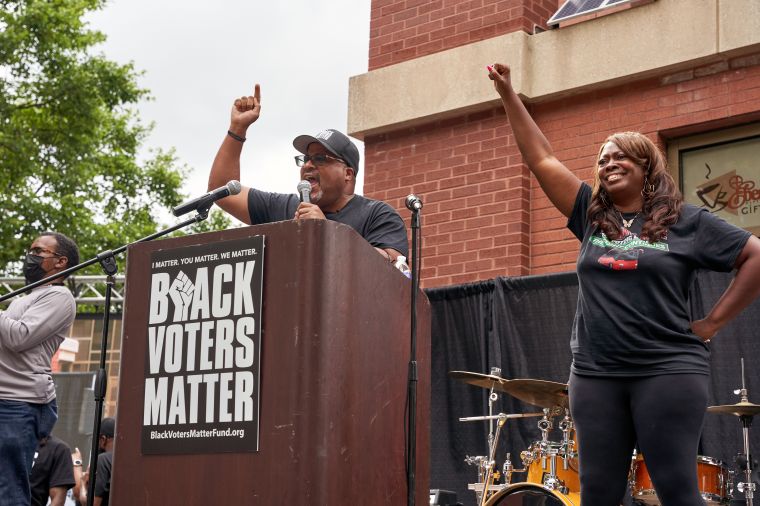
Voting rights advocates around the country once again step up the fight for free and fair access to the ballot. They begin pushing Congress and the White House to prioritize voting rights and D.C. statehood. Black Voters Matter led a bus caravan from Jackson, MS to D.C., following stops along the original Freedom Ride.
20. State Legislators in D.C. for Voting Rights (2021)
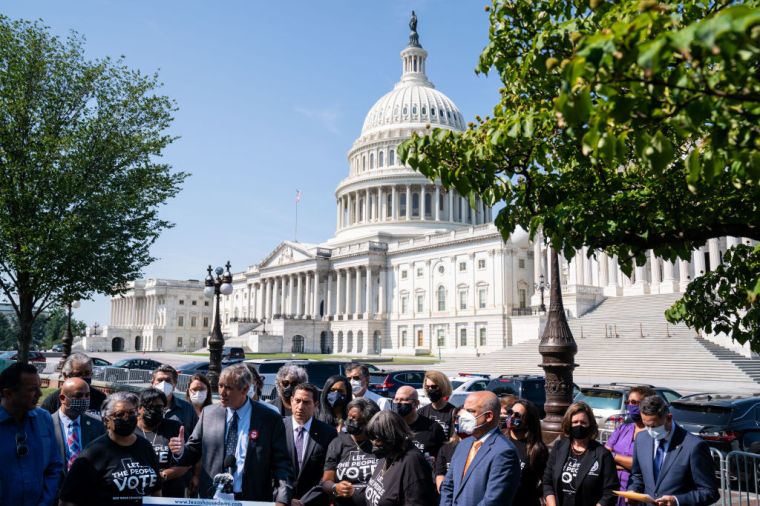
Democratic legislators from Texas broke quorum during a special session and flew to Washington D.C., taking the only action they could think of to stall Republican efforts to roll back voting rights in the Lone Star State. CNN reported that state legislators from at least 20 states planned a week of action to pressure federal lawmakers to pass voting rights legislation.
21. Students Go On Hunger Strike To Demand Passage Of Freedom To Vote Act (2021)
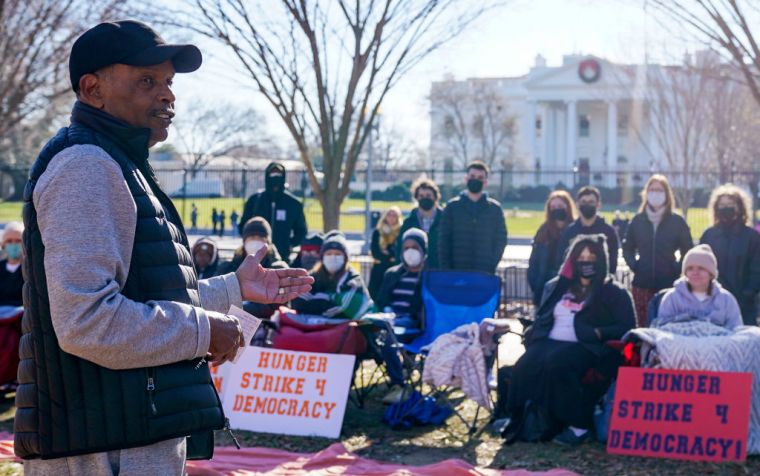
Community organizing for voting rights continued into the winter of 2021, increasing pressure on President Biden to prioritize voting rights with the same urgency he gave to the bipartisan infrastructure bill. A group of students, joined by radio host Joe Madison, launched a hunger strike for voting rights outside of the White House in December 2021.
Outside of Congress, protecting voting rights and democracy remains a priority for people across the political spectrum.
22. President Joe Biden Steps Up Voting Rights Pressure (2022)
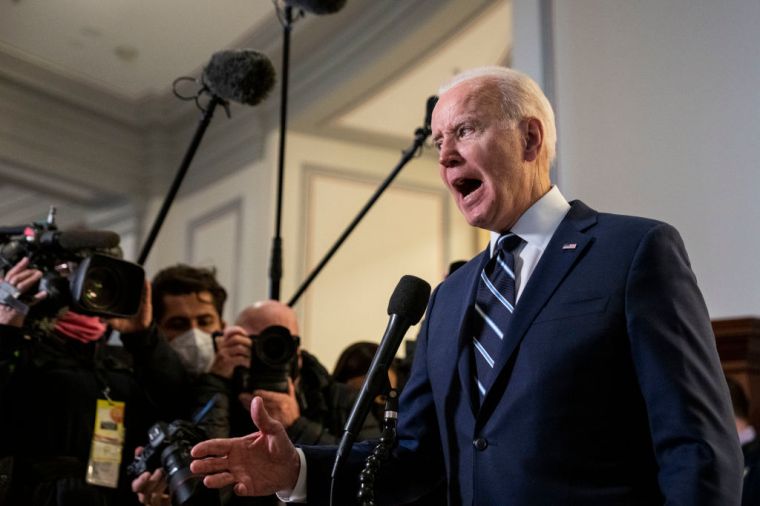
Responding in part to pressure from advocates and state elected officials, President Joe Biden announced his intention to work with the Senate Democratic caucus to pass voting rights legislation even if it means changing the rules around the filibuster to do it. Reports indicate Sens. Joe Manchin and Kyrsten Sinema remain holdouts, with others possibly on the fence.
Brief Timeline Of Events Since Congressional Republicans Supported Reauthorizing The Voting Rights Act In 2006 was originally published on newsone.com