National Radio Day: Black Stations, DJs, Pioneers On The Air
National Radio Day: Black Stations And The Pioneers Who Helped Shape Their Programming - Page 2

1. Cathy Hughes – Urban One
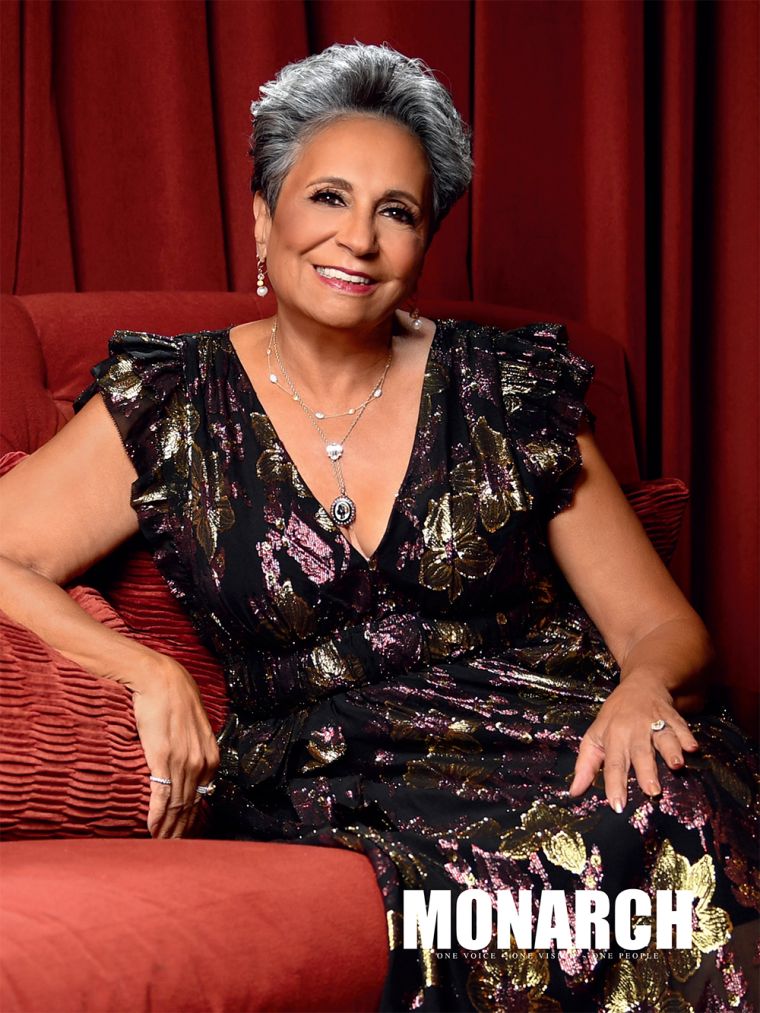
Our honorable founder Cathy Hughes founded Radio One, now known as Urban One in 1980. In 1999 the company went public. It became the first African American women-led corporation to do so at the time.
Hughes broke into the radio industry in 1969 where she began cultivating her skills at KOWH in her hometown of Omaha, but the media maven left for Washington D.C. shortly after being offered an administrative position with Howard University in 1971.
With hard work and grit, Hughes became General Sales Manager of the university’s radio station, WHUR-FM in 1973, increasing the station’s revenue from $250,000 to $3 million in her first year. Two years later she became the first female vice president and general manager of the station.
During her time at WHUR, the former University of Nebraska student created the format known as the “Quiet Storm,”– a genre of contemporary R&B and smooth jazz which revolutionized urban radio and was aired on over 480 stations nationwide.
Today Hughes owns over 59 radio stations in nine major markets with Urban One.
The company is also a leader in the digital space with sites like Bossip and Madamenoire leading the charge in the digital news and entertainment content industry.
In January 2004, Urban One launched TV One--a national cable and satellite television network dedicated to African American lifestyle and entertainment programming.
2. Jesse B. Blayton- WERD-AM

The radio entrepreneur and civil rights activist founded WERD-AM in 1949 after purchasing the small station for a whopping $50,000. Under his supervision, the station would become the first Black-owned and programmed station to emerge from the city of Atlanta.
Blayton focused on creating content that centered on African Americans. In WERD’s early beginnings, the station aired mostly rhythm and blues music but as it slowly grew, Blayton diverged into broadcasting educational shows, church services, radio plays, and community news. The busy program director hired black employees to help grow the station’s reach like legendary on-air personality, “Jockey Jack” Gibson who came to the station in 1949 shortly after he left WJJD.
WERD became an important figure during the civil rights movement as listeners often turned to the station’s dial for information about the movement and to listen to the speeches of prominent civil rights leaders like Martin Luther King, whose Southern Christian Leadership Conference happened to share the same building with WERD. Dr. King often visited the studio to announce the activities of his organization.
3. Arthur "Al Benson" Bernard Leaner – WGES
Arthur Bernard Leaner was a professional radio DJ and record label owner that broke significant ground for Black music in Chicago between 1940 and the 1960s.
Benson built his chops for radio in 1945, when he appeared on the scene under his disc-jockey name “Al Benson.” The star was initially offered a weekly hour-long secular show on WGES. Within two years, his output had increased to twenty hours a week, on WGES and WJJD, another iconic Black radio station in Chicago.
Benson gained popularity for airing all of the rhythm and blues songs that were previously ignored by broadcasters because of their suggestive lyrics. He also spoke on the air with a southern twang, which drew listeners into his endearing on-air persona.
In the early 1950s, Benson helped set up record labels, including Parrot, Blue Lake, and Old Swing-Master. The labels were home to up-and-coming blues and R&B artists. He is often referred to as “The Godfather of Black Radio.”
In 2017, he was inducted into the Blues Hall of Fame.
4. Richard Durham – WJJD & WMAQ

The writer and journalist began his radio journey in 1946 where he wrote scripts for a series on black achievement, Democracy U.S.A., which aired on WBBM, a CBS station.
Shortly after recovering from an injury, his sister gifted him with a typewriter that he used to develop the script for his first audio drama, a black soap opera titled “Here Comes Tomorrow” on WJJD in Chicago.
Durham went on to write and debut the iconic Destination Freedom series on WMAQ Chicago from 1948 to 1950. The weekly show used its inventive script to highlight the accomplishments of black leaders throughout history, including Harriet Tubman, Jackie Robinson, and Ida B. Wells. Durham’s recurring theme of social and economic freedom was a revolutionary idea rarely heard on the radio at the time.
5. Frankie Crocker – WBLS-FM
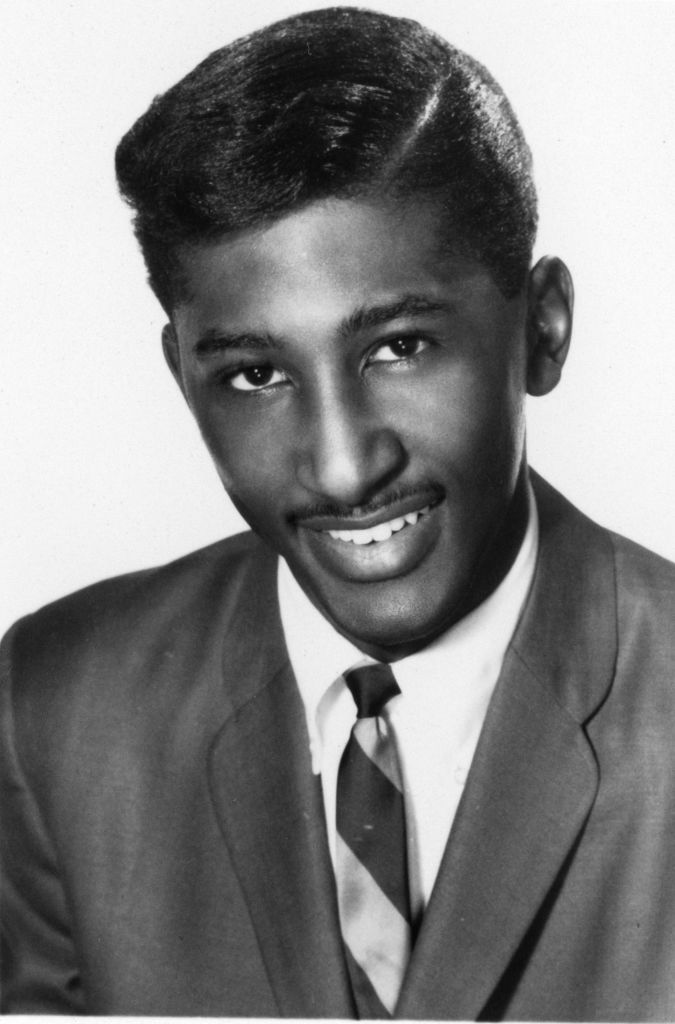
Frankie “Hollywood Crocker” was an American disc jockey that helped grow famed New York-based Black radio station WBLS during its inception.
The Buffalo New York native began working at the city’s AM Soul powerhouse station WUFO before moving to Manhattan where he became an on-air personality at soul station WWRL and later WMCA in 1969.
During the late 70s, Crocker set forth on his journey with WBLS as a program director, boosting the station’s ratings and pioneering the urban contemporary radio format.
He sometimes called himself the “Chief Rocker”, and was well known for his boastful on-air banter.
6. Jack L. Cooper – WSBC
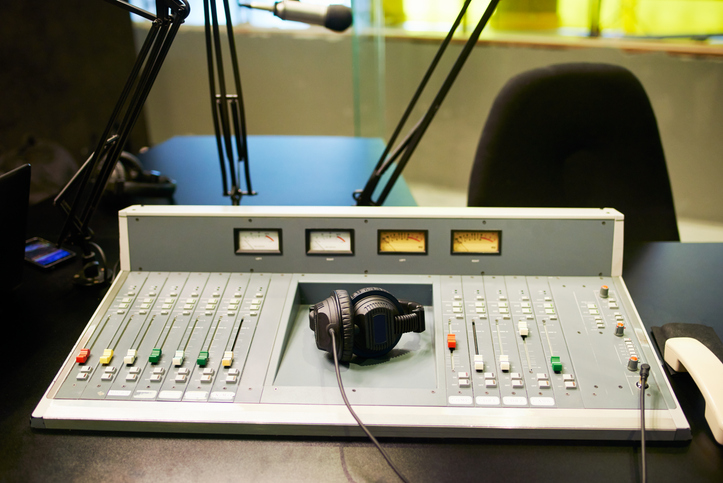
Often described as “the undisputed patriarch of black radio” in the United States, Jack L. Cooper revolutionized the airwaves with his show The All-Negro Hour that aired on Chicago’s WSBC in 1920.
The show was initially broadcasted on a weekly basis and aired live music and comedy sketches, but Cooper gradually modified and expanded its content. Cooper wanted to depict positive images of African Americans during a time where awful stereotypes were created about the Black community. The popular show remained on the station until 1936.
Cooper was one of the first jockeys to broadcast gramophone records, including gospel music and jazz, using his own phonograph.
In 1938, he created a new show, Search for Missing Persons, designed to reunite listeners with lost family members. He also pioneered a mobile news team to cover items of interest to Chicago’s black community. By 1947, his production company Jack L. Cooper Presentations controlled around 40 hours per week on four different stations in Chicago.
In 2012, he was inducted into the National Radio Hall of Fame.
National Radio Day: Black Stations And The Pioneers Who Helped Shape Their Programming - Page 2 was originally published on newsone.com