Huge yard landscaping designs that make a big statement
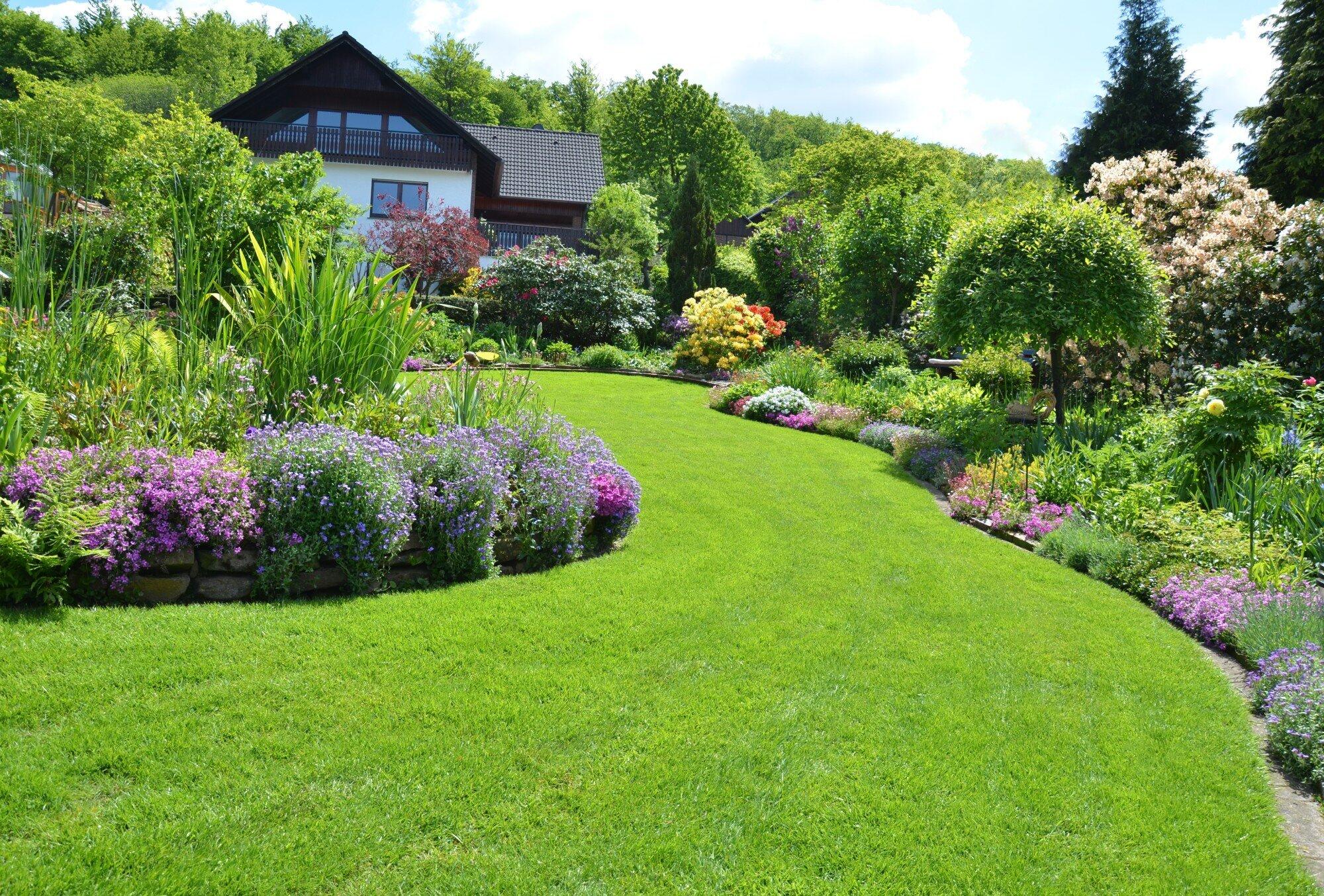
Huge yards make a big statement when the landscaping designs behind them work with the space instead of against it. Most large yards stall out because owners treat all that acreage as one giant problem rather than several smaller opportunities. According to the American Society of Landscape Architects, getting professional landscaping can boost a home’s resale value by 15 to 20%, meaning a well-executed yard pays off in real dollars, not just curb appeal.
For Black homeowners who’ve put serious work into building wealth through property, that outdoor space carries real weight: pride, community, and a place to gather the people who matter most.
What Landscaping Designs Work Best for Large Yards?
Large yards reward landscaping designs that divide the space into purposeful zones rather than spreading one idea thin. The most effective approach creates distinct areas, such as an outdoor living space near the house, a garden section further out, and naturalistic plantings along the perimeter to soften the boundary. Each zone gets room to breathe, and the yard reads as intentional rather than sprawling.
Hardscaping gives the design its bones. A paved patio, stone pathway, or retaining wall introduces structure and visual weight that plants alone can’t provide, especially in larger yards where open grass reads as flat. According to This Old House, 22.5% of homeowners planned landscaping upgrades in 2025, with improving aesthetics and expanding entertainment space among the top reasons, both of which hardscaping addresses directly.
Connecting Zones With Intention
Linking zones matters as much as creating them. A winding stone path that moves from the patio to a fire pit and then to a garden bed invites people to explore rather than stay planted in one spot. Without those links, separate areas feel isolated even when individual features look polished.
Mature trees and large ornamental grasses work well as natural dividers. They supply shade, privacy, and visual interest all at once, and in warm Southern climates where many Black families have built roots, shade is as practical as it is attractive.
Planting Strategies for Large Properties
Scale is everything in a large yard, as small plants that shine in a compact bed disappear on a full acre. Bold, layered planting does the work here: tall flowering trees at the back, medium scrubs in the middle, and low ground cover at the front create depth and keep the eye moving. According to the Landscaping Network, this tiered approach is one of the core strategies professionals use to give large yards structure and prevent that sprawling, unfinished feeling.
Native plants earn their place on large properties because they’re adapted to local conditions, need less water, and attract pollinators without the maintenance exotic species require. For families who want a yard that stays sharp without consuming every free weekend, native combinations are among the most reliable choices available.
Focal Points and Visual Anchors
A large yard without focal points leaves the eye with nowhere to land. A statement water feature, a bold sculptural shrub, or a pergola gives the space direction and draws visitors through it naturally. Focal points make a yard feel considered, as if deliberate choices were made rather than space filled.
Strategically placed large outdoor planters serve this purpose without any construction commitment. They anchor a patio edge, frame an entrance, or flank a garden path, and they move with you if the layout changes.
How Do I Make My Big Yard Look Appealing?
Outdoor lighting is the most underused tool in residential landscaping. Path lighting along walkways, uplighting on mature trees, and string lights in an entertainment zone extend the functional hours of the space and show anyone approaching that the yard has been thought through. A yard that looks intentional after dark is one that actually gets used after dark.
Water features add dimension beyond the visual, as sound carries across a large yard and pulls people toward a central point, the way a fire does. Even a modest recirculating fountain at a focal area creates an atmosphere that static plantings cannot replicate alone.
What Is the Cheapest Way to Landscape and Design a Large Yard?
Budget-first landscaping of a large yard starts here: spend on what people encounter first. The zone closest to the house, such as the patio, the beds visible from the back door, and the side yards guests walk through, earns the most per dollar. Phasing the rest in over one to three seasons keeps costs manageable without sacrificing the overall impression.
Seed over sod saves significantly on large coverage areas, and mulch applied generously to planting beds cuts weeding time and water needs. Native plants cost less to maintain and establish faster than exotic species. Grouping plants into defined beds rather than scattering them across open lawn makes the yard feel designed at a fraction of what elaborate hardscaping costs.
Frequently Asked Questions
What Should I Put in a Large Backyard?
Large, stunning backyards work best with a hardscape entertaining area, layered planting beds, at least one focal point such as a water feature or fire pit, pathway connections between zones, and naturalistic plantings along the perimeter. The right combination depends on how your household actually uses outdoor space.
How Do I Make a Large Yard Low Maintenance?
Native plants, mulched beds, drip irrigation, and paving in high-traffic zones all reduce ongoing demands. Replacing portions of traditional turf with groundcovers or hardscape cuts mowing frequency and water bills without making the yard look neglected.
Do I Need Landscaping Contractors For a Large Yard?
A contractor brings the most value to site planning and large-scale installation. For homeowners phasing the project over time, starting with a professional plan, even if you do sections yourself, prevents the piecemeal look that plagues large yards without a unified vision from the start.
Great Landscaping Designs Start With a Clear Vision
The best landscaping designs for large yards don’t try to do everything at once. They identify the zones that matter most, invest in plants and materials proportional to the scale of the space, and build a yard that functions as well as it looks. Whether you’re starting a blank slate or refreshing an overgrown property, every standout yard begins with a plan and the follow-through to make it real.
For more home, lifestyle, and community content worth reading, explore more articles on this site.