How Are Crime Scenes Handled and Cleaned in Modern Society?
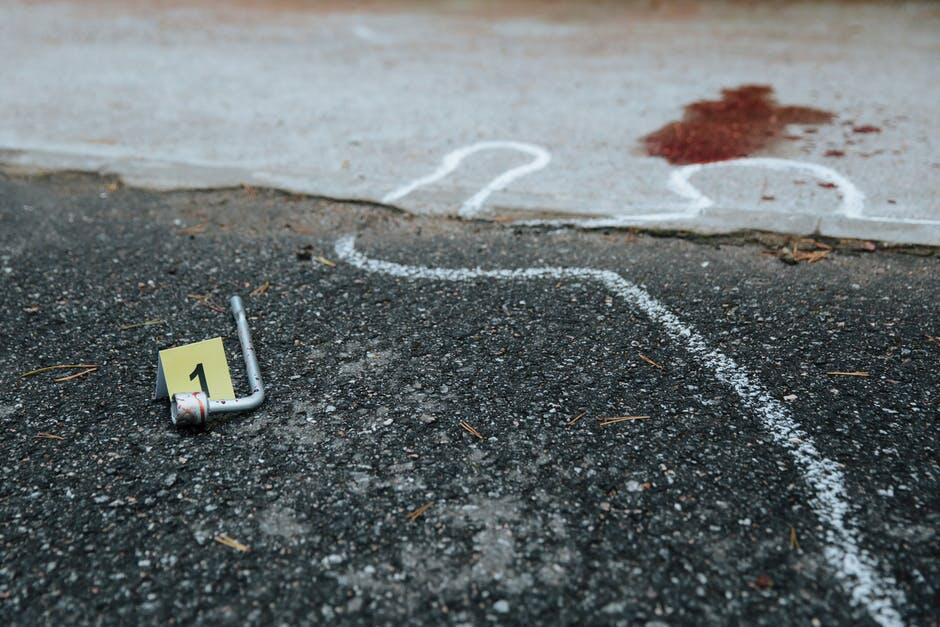
Crime scene handling follows a structured process. Law enforcement secures the area, collects evidence, and releases the property — then professional cleanup crews restore it safely.
As per reports from the USAFacts, 16.9% of all crimes happening in 2024 were violent offenses. These incidents happen, leaving behind trauma and a physical mess. When the police leave the crime scenes, you’re often left to deal with this mess alone.
You want to feel safe and secure in your property after a violent crime. Knowing the crime scene safety protocols will help you know how to protect yourself and the people occupying your property. Read on to find out how you can handle and clean crime scenes in modern society.
How Should a Crime Scene Be Handled and Why?
Different crime scenes will always be handled differently. Here are the general steps taken for different scenarios:
Establish the Scene Dimensions and Potential Safety Hazards
Investigators identify the focal point of the scene, where the crime happened. Once they do, they’ll establish an area that’s big enough to likely contain all relevant physical evidence. This helps protect sensitive evidence from damage by onlookers and other responders.
Safety is also important. The police will identify any:
- Weapons
- Biohazards
- Chemical hazards
- Intentional traps
Identifying these items can help responders find ways to navigate the crime scene safely. You don’t want another tragedy happening at the crime scene.
Establish Security
Each person who enters or leaves the crime scene will add or remove material in the space, according to Locard’s Exchange Principle. To avoid these issues, police must quickly secure crime scenes with cones or yellow crime scene tape.
Plan and Collaborate
Before they collect evidence on your property, investigators must first create a theory on how the crime happened. Having this theory will help police anticipate the evidence that may be present at the crime scene.
Conduct a Primary Walkthrough
An initial survey of the scene is done. During this survey, the lead investigator will:
- Identify valuable evidence
- Take notes
- Capture initial photographs of the scene and the evidence
They’ll also document the crime scene to record conditions, like any smells present, the type of lighting, and more.
Document and Process the Scene
Next, the crime scene team does a comprehensive investigation of the scene. During the process, they will create strong, detailed documentation using sketches or digital cameras.
Conduct a Secondary Survey/Review
Once the police document and process the scene, they do a second review. It helps them ensure that they’ve thoroughly searched the scene.
Record and Preserve Evidence
The police create an inventory log to account for all evidence. This paper trail creates the chain of custody that’ll follow the evidence during the case.
What Does a Crime Scene Cleanup Entail?
Once the police leave the crime scene, forensic cleaning is up next. Here is the process of the best crime scene cleanup:
Crime Scene Assessment
Your professional crime scene cleaners start with a site assessment. It’ll help them create an effective strategy for:
- Cleaning
- Biohazard removal
- Crime scene decontamination
During this evaluation, they must follow OSHA regulations for biohazard remediation. An effective assessment ensures safety during the cleanup process.
Crime Scene Control
Once the evaluation is over, the cleaners will secure the crime scene following OSHA cross-contamination protocols. You will see them close off the area from other parts of your property, using barriers like plastic sheeting. This process will help reduce the spread of biohazards.
Biohazard Removal
Biohazards on your property have pathogens that can lead to the spread of illness. All bodily fluids in the crime scene are biohazards, including:
- Blood
- Tissue
- Saliva
- Sexual fluids, like semen
If it’s a blood cleanup, the cleaners will neutralize the blood. They may also remove items that contain biohazards, such as carpets or furniture. Additionally, they can use solutions disinfect blood and other substances.
Cleaning, Disinfecting, and Deodorizing
Once biohazards are removed, your crime scene cleaners will clean, decontaminate, and deodorize your property. They’ll use EPA-approved cleaning products and disinfectants. Next, they will treat the area with strong deodorizing solutions.
Why Is Professional Cleaning of Crime Scenes Necessary?
Hazards in the crime scene can be deadly if they aren’t properly cleaned. Here are reasons why you should clean your property after a crime scene investigation:
- To promote health and safety
- To remove stains on your items
- To reduce the unpleasant odors
- To minimize damage to your property
For quality cleaning and peace of mind, make sure you hire a reliable crime scene cleanup company. They’re trained to handle the crime scene.
Frequently Asked Questions
What Qualities Should You Look for in Crime Scene Clean Up Professionals?
If your property has been a crime scene, you need the right people to restore it effectively. When choosing a team, gauge their professionalism. They should be people willing to treat your property with the respect it deserves.
Next, check if they have attention to detail. They should be able to clean every spot without leaving any biohazards behind. When they leave, your space should be clean and safe.
Who Pays to Clean a Crime Scene?
In most cases, you’ll have to incur the cleanup costs as a property owner. Homeowner’s insurance policies can help you cover the forensic cleaning costs. However, coverage varies between providers.
Most insurance policies often classify crime scene cleanups under liability coverage or as extra living expenses. Make sure you contact your insurance company as soon as the police leave to find out if you qualify for coverage.
What Should You Not Do at a Crime Scene?
When you’re on a crime scene, don’t eat, drink, smoke, or litter. These actions can negatively affect investigations and provide wrong findings since they can introduce alien DNA to the scene. Ensure you follow this protocol to protect the evidence.
Restore Your Property after a Crime
Any time a crime occurs, it leaves a mess. If this happens on your property, you need to find a way to fix the issue fast. Handling and cleaning crime scenes is a delicate process that requires you to hire biohazard remediation experts.
Subscribe to our newsletter — news, health, and culture delivered daily.