How modern insulation methods are reshaping residential construction
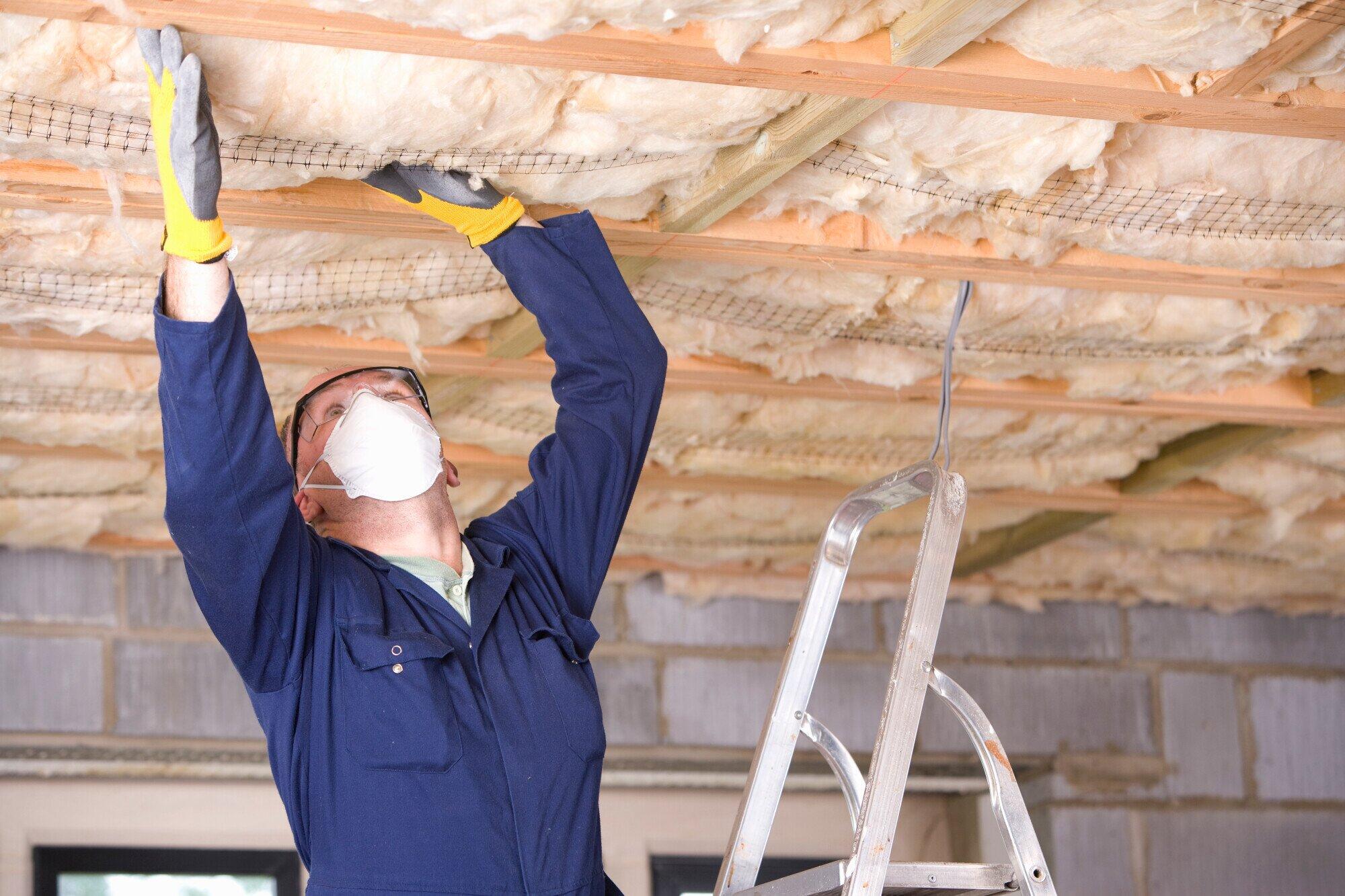
Your energy bills keep climbing while your house stays uncomfortable, no matter how much you crank the thermostat. Chances are, outdated insulation methods are draining your wallet and making your home feel miserable. Modern insulation methods are reshaping residential construction by creating airtight barriers that slash energy costs in half, using advanced materials like spray foam that seal every crack instead of leaving gaps like traditional fiberglass.
These new, innovative home insulation technologies represent a complete shift from how we used to build. We’re talking about sustainable building materials that last decades without settling, residential energy solutions that eliminate drafts entirely, and installations that add structural strength while insulating. Whether you’re building new or upgrading what you’ve got, understanding these game-changing methods helps you make smarter decisions that’ll pay off for years.
What Insulation Method Is Most Effective?
Spray foam takes the crown when you’re chasing maximum performance and energy savings. According to Energy Star, air leaks account for 25 to 40% of heating and cooling energy waste in homes, which spray foam effectively eliminates. Unlike loose-fill or fiberglass batt insulation, which leaves gaps and lets air leak through, spray foam expands to fill cracks, creating a complete seal.
Closed-cell spray foam gives the highest R-value per inch – around 6.0 to 7.0 compared to fiberglass’s measly 2.2. That means you get better insulation in less space, perfect for tight areas or when you’re maximizing every inch. It also adds structural strength to walls and roofs, something traditional materials can’t touch.
Breaking Down Modern Foam Technology
Companies like Phantom Foam represent the cutting edge of spray foam innovation, developing formulas that balance performance with environmental responsibility. These newer spray foams cure faster, off-gas less, and maintain their effectiveness longer than older versions.
Advanced Insulation Techniques for Energy Efficiency
Energy-efficient home construction demands more than just slapping insulation in walls and calling it good. You need a comprehensive approach that addresses thermal bridging, air infiltration, and moisture management simultaneously. Advanced techniques layer different materials strategically.
For example, flash-and-batt combines spray foam’s air sealing power with fiberglass’s cost-effectiveness. You spray a thin layer of closed-cell foam (usually 1 to 2 inches thick) against the exterior wall, creating that crucial air barrier, then fill the remaining cavity with fiberglass batts. This hybrid approach costs less than full spray foam while delivering significantly better performance than fiberglass alone.
Smart Installation Makes the Difference
Installation quality matters as much as material choice. The Building Performance Association emphasizes proper technique to ensure insulation performs as designed. Poorly installed spray foam can leave gaps, while compressed fiberglass loses R-value. Hire certified professionals who understand building science, not just contractors who spray foam sometimes.
Why Choose Spray Foam Over Fiberglass?
Spray foam forms an air barrier while insulating – fiberglass doesn’t. That simple fact explains why spray-foamed homes feel consistently comfortable while fiberglass-insulated houses stay drafty. Air movement kills comfort and efficiency faster than anything else, and only foam stops it.
Moisture resistance gives spray foam another huge advantage. Closed-cell foam doesn’t absorb water, won’t grow mold, and maintains its R-value when wet. Fiberglass soaks up moisture like a sponge, loses insulating ability, and becomes a breeding ground for mold and mildew. If you live anywhere humid or worry about roof leaks, this difference alone justifies spray foam’s premium price.
Sustainable Building Materials and Green Insulation
Sustainability matters more than ever in residential construction, and insulation methods have evolved to meet environmental demands. Modern spray foams use water-blown formulations instead of harmful blowing agents, dramatically reducing their environmental footprint. Some manufacturers now incorporate recycled content and bio-based materials into their formulas.
Cellulose insulation, made from recycled newspapers and other paper products, remains one of the greenest options available. It requires less energy to manufacture than fiberglass and keeps tons of paper out of landfills. Treated with borate to resist fire and pests, cellulose offers decent performance at a lower environmental cost than synthetic options.
Balancing Performance With the Planet
The greenest insulation is the one that slashes your energy consumption over decades. A high-performance material with a larger manufacturing footprint can still win environmentally if it dramatically reduces the energy needed to heat and cool your home for 50 years. Don’t get caught up in eco-marketing without doing the math on long-term energy savings.
The Economics of Upgrading Your Insulation
Spray foam costs more upfront – nobody’s pretending otherwise. You’ll pay $1.50 to $3.50 per square foot for professional spray foam installation versus $0.50 to $1.50 for fiberglass. Though you should look beyond the initial invoice to see where your money actually goes.
Energy savings compound year after year. Homeowners who upgrade to spray foam typically see immediate reductions of 15 to 30% in heating and cooling costs. Over a 20-year period, those savings more than offset the higher installation cost. Plus, spray foam doesn’t need replacement or maintenance like blown-in options that settle and compress.
Property value increases, too. Energy-efficient homes command premium prices and sell faster than comparable properties with outdated insulation. Buyers increasingly care about monthly operating costs, making high-performance insulation a smart investment that pays back multiple ways.
Frequently Asked Questions
Can You Install Spray Foam Insulation Yourself?
It is absolutely not recommended for interior applications. Spray foam requires specialized equipment, proper mixing ratios, and protective gear because you’re working with chemicals that need proper handling. DIY foam kits exist for small projects like sealing rim joists, but whole-house applications demand professional expertise.
How Long Does Spray Foam Insulation Last?
Spray foam usually lasts the lifetime of your house. Unlike fiberglass and cellulose, which settle, compress, and need replacement or topping off, properly installed spray foam maintains its R-value and air-sealing properties indefinitely. This permanence makes the higher upfront cost easier to justify.
Is spray foam insulation worth the extra cost?
For most homeowners, yes, absolutely, as the combination of superior R-value, complete air sealing, moisture resistance, and permanent performance justifies the premium price. You recoup the difference through energy savings within 5 to 10 years, typically, then continue benefiting for decades. If your current insulation is failing or you’re building new, spray foam delivers the best long-term value despite higher initial costs.
The Future of Home Insulation Methods
Modern insulation methods are fundamentally changing residential construction by delivering performance levels impossible with traditional materials. Spray foam’s air-sealing capabilities, advanced techniques, and sustainable options prove we’ve moved way beyond pink fiberglass batts.
Whether you’re building a new construction or upgrading existing insulation, these innovations offer real solutions to comfort and efficiency problems that plagued homeowners for generations. Stop accepting drafty rooms and skyrocketing energy bills when better options exist.
For more home improvement insights, lifestyle content, and practical recommendations that help you live better, Black America Web is where quality information meets real life.