GED Section: We Don’t Have to Understand Everything
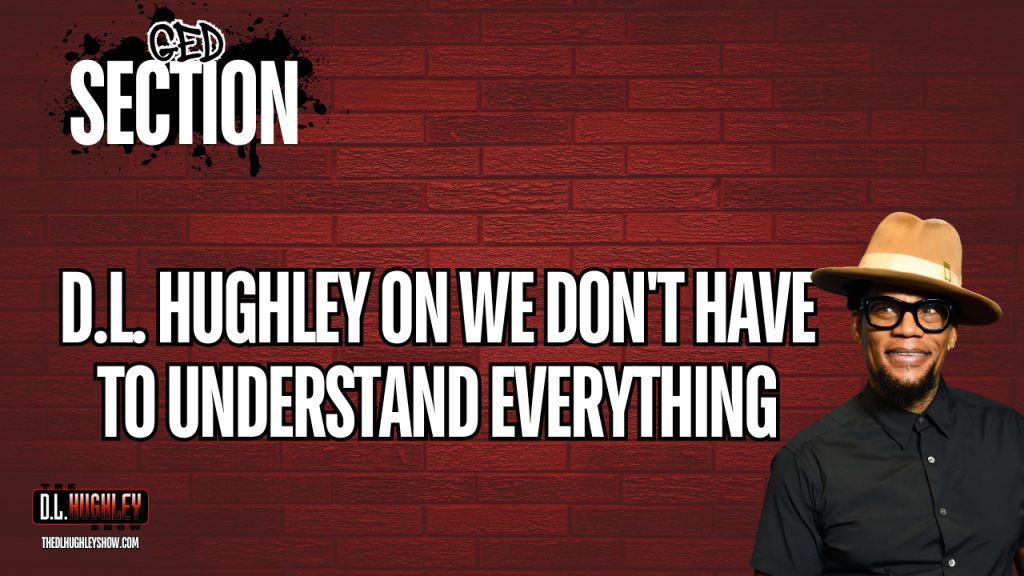
D.L. Hughley’s Notes from the GED Section, DL delivers a sharp critique of the complaints surrounding recent Super Bowl halftime performances. With his trademark blend of humor and hard-hitting truth, Hughley dismantled the idea that artists like Bad Bunny or Kendrick Lamar are “polarizing” simply because they celebrate specific cultural identities. He challenged the expectation that every piece of entertainment must be universally understood or centered on a single demographic to be valid. Hughley pointed out the hypocrisy in demanding a figure everyone can “gather around,” noting wryly that in America today, not even Jesus commands that kind of universal agreement.
Hughley moved on to address the specific criticism regarding language barriers and cultural confusion. He highlighted that despite some viewers claiming they “didn’t understand” the performances, the ratings for Jay-Z’s Roc Nation-produced halftime shows continue to skyrocket. He noted that Kendrick Lamar broke records and Bad Bunny followed suit, proving that cultural specificity often translates to massive global appeal. For Hughley, the complaints aren’t really about confusion; they are about a shifting power dynamic where minority cultures are taking center stage. He connected this to the broader resistance against the Black National Anthem, suggesting that marginalized groups created their own spaces and anthems precisely because they were excluded from the mainstream for so long.
Hughley argued that when you invite the world to a global event, the world expects to see reflections of itself. He emphasized that for decades, Black and Brown communities had no choice but to consume content that didn’t represent them. Now that the tables are turning, he finds the resistance from traditional power structures telling. He reminded listeners that the “ultimate alternate halftime show” is simply changing the channel—a luxury that minority audiences exercised for years when they felt unseen. The demand to control what everyone else watches, he argued, stems from a fear of losing cultural dominance rather than a genuine desire for unity.
READ MORE DL HUGHLEY STORIES:
- Bruce Bruce ‘Ain’t Playing’ With First Netflix Special
- Toni Braxton Gets Real About R&B and Romance
- How Niecy Nash Empowers Our Community Behind the Scenes in Hollywood
Hughley closed with a powerful reflection on language and history. He addressed the irony of criticizing artists for not speaking English, reminding his audience that there was a time in this country when reading English could get a Black person killed. He urged Black and Brown people to recognize that the languages they speak—whether English, Spanish, or Portuguese—were often forced upon their ancestors. Celebrating one’s culture, he concluded, isn’t about making others understand; it is about authentic self-expression. Hughley’s message was clear: we don’t have to understand everything to respect it, and the search for a mythical figure to unite everyone is a futile distraction from the reality of a diverse, evolving America.