For more than a century, Black media has been the heartbeat of Black storytelling in America. Long before headlines, broadcasts, or timelines existed, our stories lived through oral tradition. History was passed from elders to children in living rooms, churches, barbershops, and community gatherings. These spoken narratives preserved culture, survival, and resistance at a time when Black voices were excluded from the mainstream record.
Pre-1900s: Oral Tradition Before formal media platforms, oral history served as the first newsroom. Folklore, sermons, music, and personal testimony ensured Black life was remembered and honored even when it was erased elsewhere.
Early 1900s–1930s: The Rise of the Black Press As the 20th century began, Black-owned newspapers became a lifeline. Publications like The Chicago Defender and The Baltimore Afro-American documented segregation, lynchings, and political injustice while also celebrating Black success. These papers informed, organized, and empowered readers, playing a major role during the Great Migration and the fight for civil rights.
Love Black History Month? Get more! Join the Black America Web Newsletter
Thank you for subscribing! Please be sure to open and click your first newsletter so we can confirm your subscription.
1940s–1960s: Black Radio Takes the Mic Radio transformed how Black communities stayed connected. Black radio stations brought music, news, faith, and political conversation directly into homes. During the Civil Rights Movement, radio became an essential tool for sharing information quickly and authentically, unfiltered by white-controlled media.
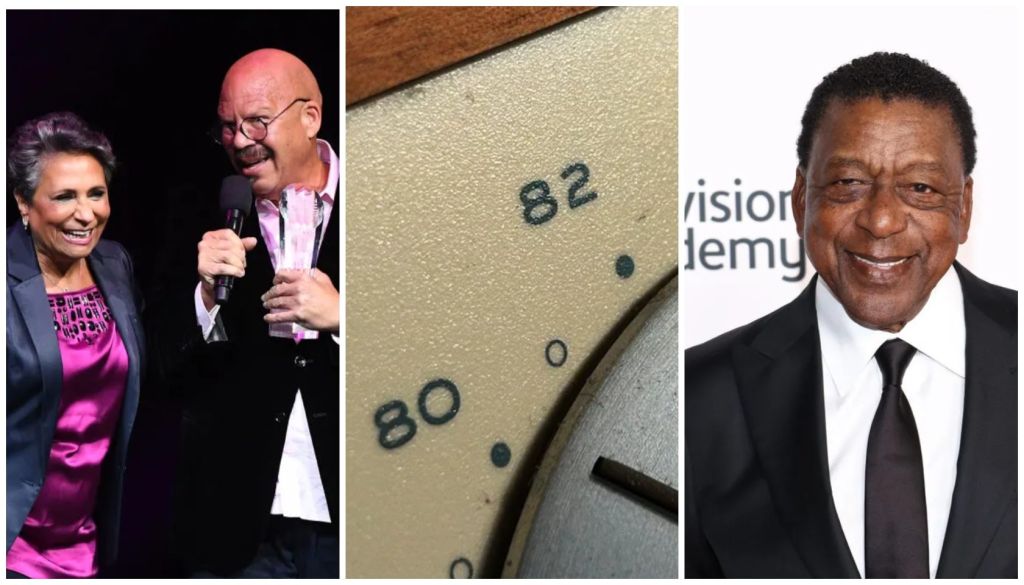
1980s–1990s: Ownership and Expansion The late 20th century marked a major shift in Black media ownership. Urban One, formerly Radio One, grew into one of the largest Black-owned media companies in the nation, building a powerful network of radio stations and digital platforms centered on Black voices and communities. Television also expanded representation, most notably with Black Entertainment Television, founded by Robert L. Johnson, which placed Black culture at the forefront of entertainment and news.
2000s: The Digital Shift Blogs and independent websites allowed Black writers and journalists to bypass traditional gatekeepers. Storytelling became faster, more personal, and more diverse, opening the door for new perspectives and voices.
2010s: Podcasts and Social Media Movements Podcasts revived long-form conversation, while social media turned everyday people into storytellers and reporters. Digital platforms amplified movements, challenged misinformation, and reshaped cultural narratives in real time.
2020s–Present: A Multi-Platform Future Today, Black media lives everywhere at once: radio, television, podcasts, blogs, and social feeds. Legacy institutions and independent creators coexist, carrying forward a century-long mission.
From oral tradition to modern news, airwaves and digital timelines, Black media remains a powerful act of ownership. One hundred years in, telling our own stories is not just history. It is legacy, resistance, and future-building in real time.