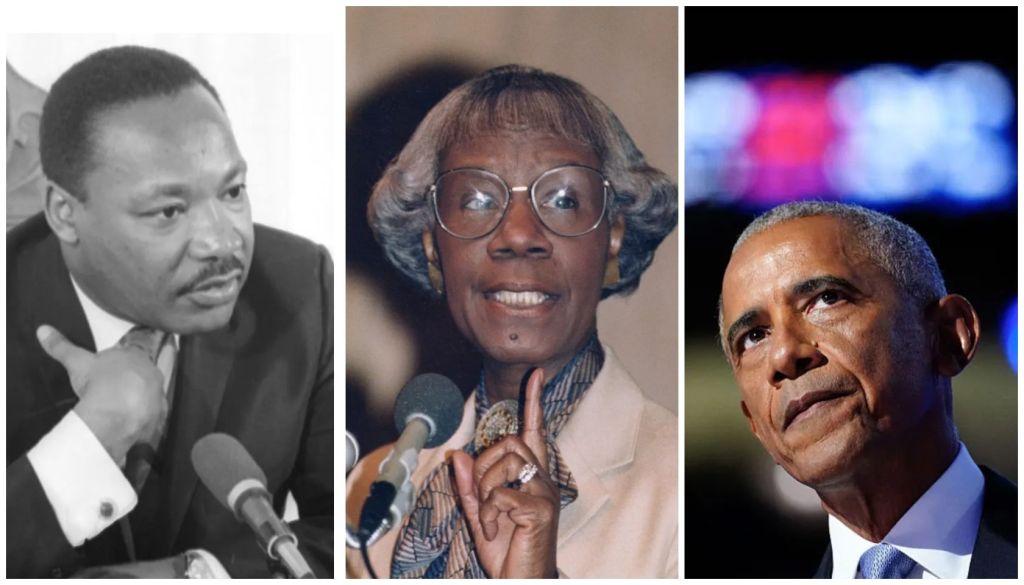
For more than 100 years, Black political progress in the United States has reshaped the nation’s democracy at every level. From local offices won during eras of open voter suppression to landmark federal legislation and historic elections to the White House, Black Americans have consistently expanded access to the ballot, redefined leadership, and transformed public policy.
These victories were not isolated moments, but the result of sustained organizing, legal challenges, and community-driven power building that changed who could vote, who could lead, and whose voices were represented in government.
A Timeline of Black Political Progress
Early 1900s – Local Breakthroughs Despite Jim Crow laws and voter suppression, Black Americans won seats on city councils, school boards, and in state legislatures. These early victories built political infrastructure and community trust that fueled future gains.
Love Black History Month? Get more! Join the Black America Web Newsletter
Thank you for subscribing! Please be sure to open and click your first newsletter so we can confirm your subscription.
1940s–1950s – Organizing for Change Black churches, civic organizations, and grassroots leaders mobilized voters and challenged discriminatory systems, setting the stage for national civil rights reforms.
1950s–1960s – The Civil Rights Movement The modern Civil Rights Movement transformed Black political power through mass organizing, nonviolent protest, and moral pressure on the federal government. Leaders like Martin Luther King Jr. helped mobilize millions, linking voting rights and political participation directly to freedom, dignity, and economic justice.
1965 – Voting Rights Act The Voting Rights Act of 1965 outlawed literacy tests and other barriers designed to silence Black voters, leading to a dramatic rise in voter registration and Black elected officials across the country.
1968 – Shirley Chisholm Elected to Congress Shirley Chisholm became the first Black woman elected to the U.S. House of Representatives and later the first Black candidate to seek a major party’s presidential nomination, redefining the boundaries of political possibility.
1970s–1990s – Black Mayors and Lawmakers Rise Major U.S. cities elected Black mayors, while Congress and statehouses saw increased Black representation that shaped policy on housing, education, and public safety.
2008 – Barack Obama Elected President The election of Barack Obama as the nation’s first Black president marked a historic turning point and energized a new generation of voters and leaders.
2020 – Kamala Harris Makes History The election of Kamala Harris as vice president added another defining milestone, as she became the first Black woman and first woman to hold the office.
2020s–Present – The Next Generation A growing wave of Black mayors, legislators, and governors continues to emerge, many shaped by grassroots movements and community-led activism.
More Than a Timeline
While these milestones are historic, they barely scratch the surface of Black political impact in America. Countless local victories, organizers, policy architects, and behind-the-scenes leaders have shaped democracy in ways that often go unrecognized. Together, they form a living legacy of resilience and influence that continues to redefine power and representation in the United States.