Understanding third-degree burns: Causes and treatment
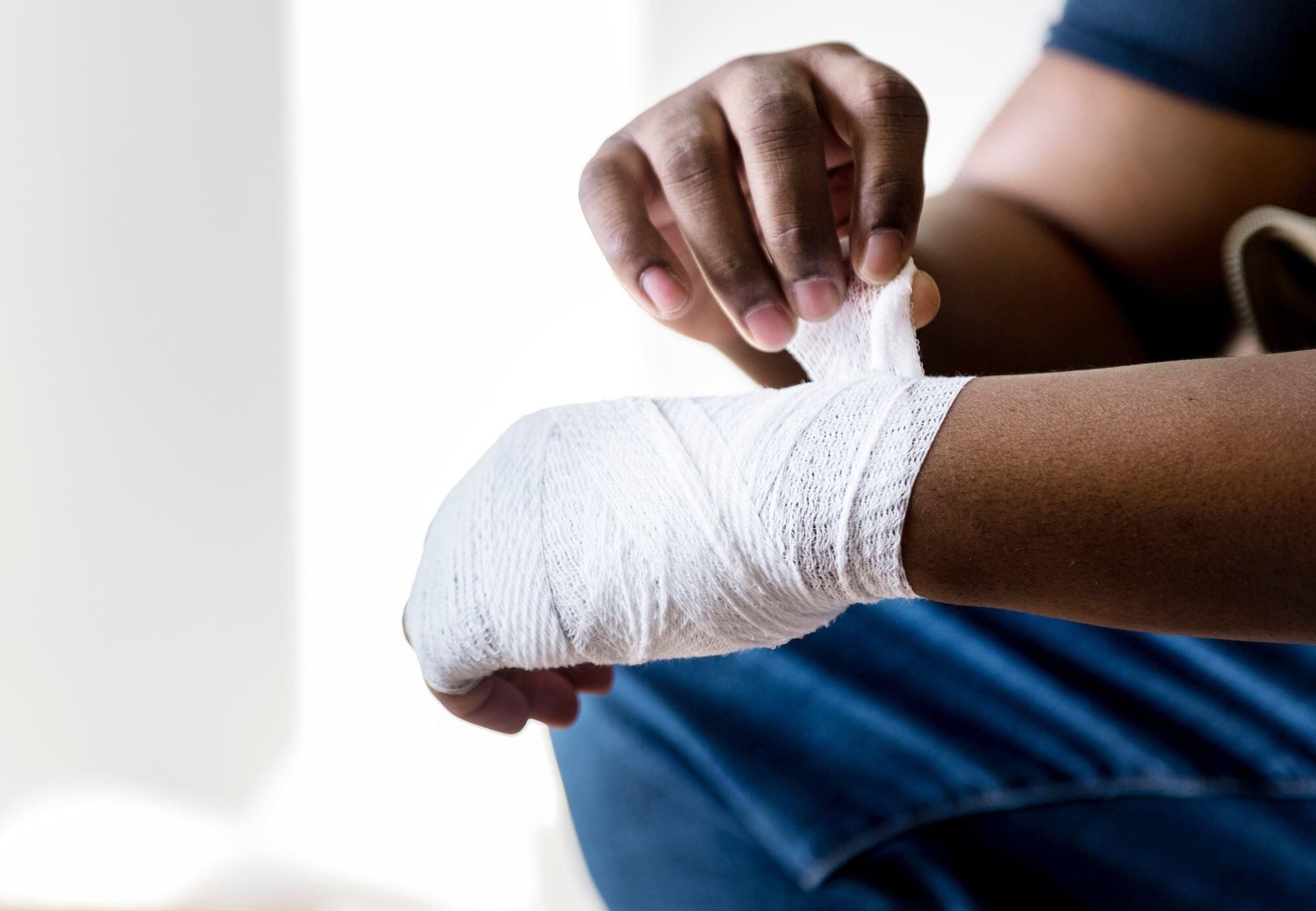
Third-degree burns destroy every layer of the skin, including the epidermis, the dermis beneath it, and the subcutaneous fat underneath, and they require emergency medical care without exception. Unlike lesser burns, they rarely cause immediate pain because the nerve endings in the affected area are completely destroyed. That absence of pain is deceptive; it can make the injury feel less serious than it is, which is precisely why burn symptom identification matters so much.
According to the Cleveland Clinic, third-degree burns appear white, charred, leathery, or darkened depending on the cause, and they will not blanch when pressure is applied, which is one of the clearest ways to distinguish them from less severe burns.
For families dealing with burn injuries caused by someone else’s negligence, understanding both the medical and legal dimensions of recovery is important from the start.
What Are the Most Common Causes of Third-Degree Burns?
Third-degree burns result from the same sources as lesser burns, but with longer exposure time or greater intensity. The difference between a first-degree and a third-degree injury often comes down to how long the body remained in contact with the harmful source. According to the Cleveland Clinic, the most frequent causes of severe burns include:
- Direct flames from fires, including house fires, industrial accidents, and vehicle fires
- Electrical current, which can travel through the body and cause internal burn damage not visible from the surface
- Chemical contact with strong acids or bases used in industrial settings or household products
- Scalding liquids or steam at extreme temperatures
- Extended contact with a hot object or surface
Residential fires account for a significant share of third-degree burn incidents, and older Black Americans face disproportionately higher rates of fire-related deaths and injuries compared to the general population, according to Public Health Reports. Older housing stock, fewer smoke detectors, and limited access to fire safety resources all contribute to that disparity. Knowing what causes severe burns is part of how communities reduce that risk.
Workplace Burn Injuries
Industrial and workplace environments generate a significant portion of severe burn cases. Chemical exposures, electrical malfunctions, and proximity to open flames or high-heat equipment all create conditions where third-degree injuries can occur quickly. Workers in manufacturing, construction, and food service face elevated exposure.
When a workplace injury occurs due to inadequate safety protocols or equipment failure, the circumstances often carry legal implications alongside the medical ones.
How Are Third-Degree Burns Treated?
Treatment for third-degree burns requires specialized care, typically at a dedicated burn center. The Medical News Today overview of burn treatment notes that care usually involves multiple surgeries to remove damaged tissue, followed by skin grafting to replace what the body cannot regenerate on its own.
The recovery process is extensive. Severe burns affect multiple organ systems because the body’s inflammatory response to a major burn can damage the kidneys, lungs, and cardiovascular system even in areas far from the burn site.
Immediate steps before professional care arrives matter too. You should call 911, remove the person from the burn source if it is safe to do so, cover the affected area loosely with a sterile cloth or bandage, and refrain from applying ice, butter, or any home remedy directly to a third-degree wound. None of those home treatments help at this severity level, and some cause additional damage.
Skin Grafting and Surgical Recovery
Skin grafting is one of the primary burn treatment methods for third-degree injuries. Surgeons remove a thin layer of healthy skin from an unaffected part of the body and place it over the wound to encourage new tissue growth. Multiple grafting procedures are usually necessary for larger or deeper burns.
Recovery from each surgery involves careful infection management since the body’s immune system is weakened by severe burn trauma, and infection is the leading cause of death in burn patients.
Long-Term Burn Recovery Tips
Full burn recovery extends well beyond the hospital stay. Physical therapy helps restore movement and function to areas affected by scarring and contracture. Psychological support is equally important; burn survivors face elevated levels of post-traumatic stress, depression, and anxiety tied to the injury itself and the appearance changes that follow.
A comprehensive recovery plan addresses both the physical and emotional dimensions of healing, and the best burn centers treat the whole patient rather than just the wound.
When the Injury Involves Someone Else’s Negligence
Third-degree burns caused by a defective product, a landlord’s failure to maintain safe conditions, a workplace accident, or another party’s negligence open the door to legal recovery. Medical costs at this severity level are staggering, and survivors often face lost income during extended recovery periods. Families dealing with catastrophic burn injuries have legal options worth exploring.
A South Houston serious accident attorney can review the circumstances of the injury and advise on whether a personal injury or wrongful death claim is appropriate given the facts.
Frequently Asked Questions
Can Third-Degree Burns Heal Without Surgery?
Third-degree burns do not heal on their own. The skin layers destroyed by this type of injury cannot regenerate without medical intervention, which is why skin grafting is the standard course of treatment. Attempting to manage a third-degree burn without professional care significantly increases the risk of:
- Fatal infection
- Permanent disability
- Severe scarring
How Do You Recognize a Third-Degree Burn?
The most reliable burn symptom identification markers for a third-degree burn include:
- Skin that appears white, black, brown, or bright red with a leathery or waxy texture
- Absence of pain in the burned area due to nerve destruction
- Skin that does not turn temporarily pale when pressed
Surrounding tissue may show signs of second-degree burns, including blistering and redness. If any of these signs are present, treat the situation as a medical emergency and call 911 immediately.
Understanding Third-Degree Burns
Third-degree burns are among the most complex injuries a person can survive, demanding immediate emergency response, specialized medical care, and extended physical and psychological recovery. Understanding what causes severe burns and what the treatment process involves gives families a clearer picture of what to expect and what resources they need. When negligence plays a role in how the injury occurred, legal options exist to help cover what insurance and workers’ compensation may leave unaddressed.
Continue reading for health coverage and community resources.