How Transportation Inequality Can Shape the Risk of Serious Injury
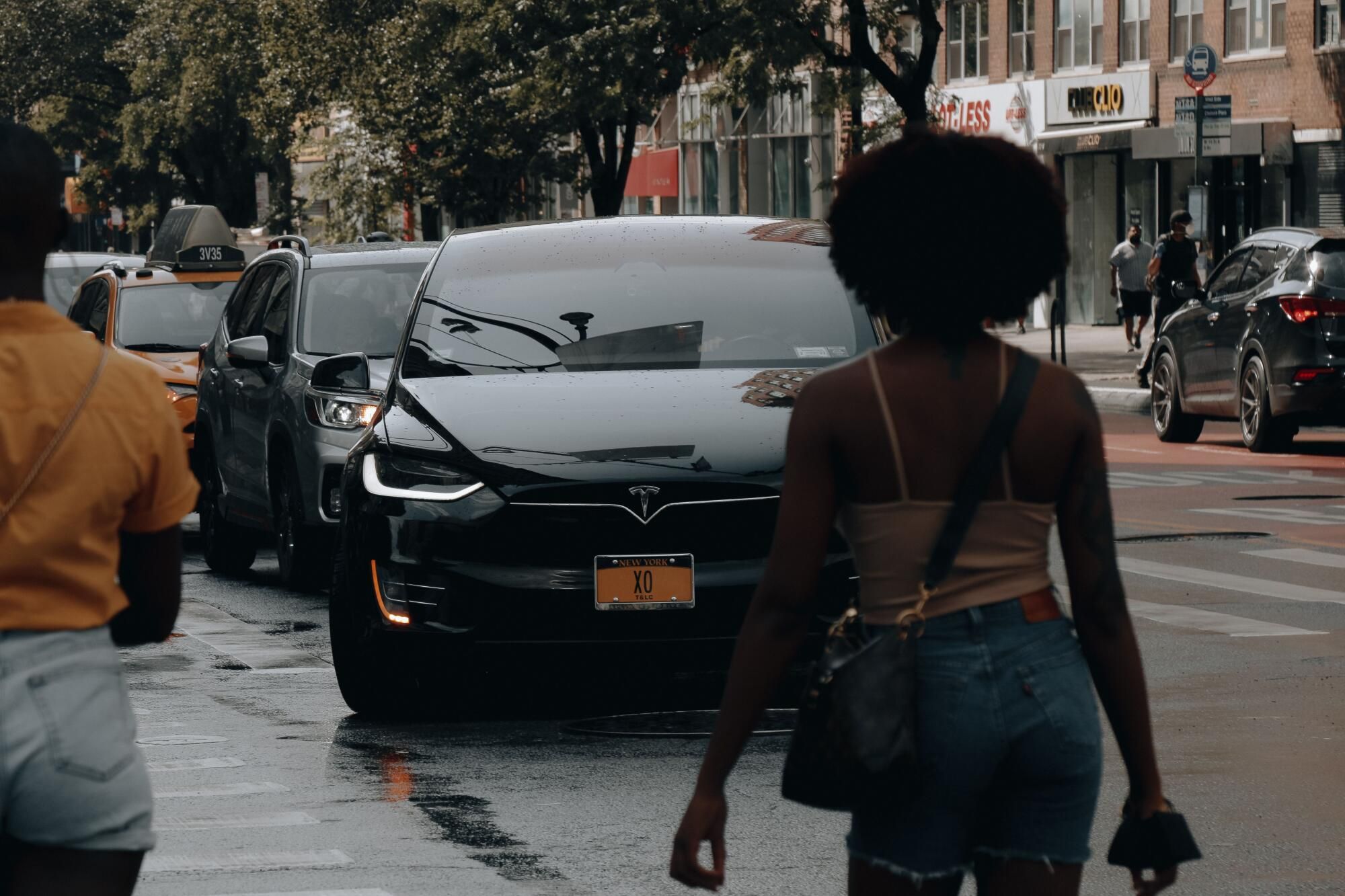
Poor transportation infrastructure puts low-income Black and brown residents at disproportionate risk for serious injuries and other health problems like asthma. Having designated bike lanes, wider sidewalks, and narrower lanes to reduce vehicle traffic are some ways to protect pedestrians.
Transportation inequity increases the risk of serious injury, which is prevalent in low-income areas. As residents navigate around poor sidewalk infrastructure, broken traffic signals, and multiple traffic lanes of speeding cars, walking and biking become unsafe, which can negatively impact community health when people don’t feel comfortable enough to be active.
Low car ownership in these areas means residents are often walking in dangerous lanes. Air becomes toxic from car exhaust and industrial plants purposefully placed nearby.
Data from the World Health Organization concludes that 92% of global road fatalities happen in low- and middle-income countries. The issue extends to the United States, as Black pedestrians and bikers have disproportionate injuries.
That is why greater accountability from local authorities and community education are vital for mitigating the risk of serious injuries.
What Is the Connection Between Transportation and the Risk of Serious Injury?
Per the CDC, over 8,000 pedestrians were killed on American roads in crashes involving a motor vehicle in 2022. The United States has several large vehicles on the road, from semi-trucks making deliveries to SUVs.
When these vehicles strike a pedestrian or standard-size vehicle, it increases the likelihood of severe injury and fatalities.
Relationship Between Serious Injury and Income
Neighborhoods with lower property values often lack upkeep from local government. That includes broken sidewalks and fading crosswalks. Streetlights may be broken, and a lack of protected bike lanes can put bikers in danger from ongoing traffic.
These marginalized areas also see higher volumes of commercial and passenger traffic. More cars going down these streets with signals that may not work pose a greater risk to these residents who are much more likely to have to walk or wait for public transit.
Income disparities are further compounded after the crash. Underserved areas may not have a nearby trauma center to quickly treat someone who’s been a victim of a collision.
These longer emergency response times can affect whether someone lives or the condition they’ll be in if they survive.
Why Does Transportation Inequality Impact Health?
Transportation creates about 28% of U.S. greenhouse gas emissions, according to the EPA. The greater impact of inequality and health risks is shown at the intersection of industrial zones and major highways that put residents at risk for respiratory disease from these vehicles.
These higher levels of vehicle exhaust are linked to increased childhood asthma and heart disease.
Poor access to transportation can affect overall nutrition for communities in food deserts without adequate supermarkets or farmers’ markets. That means people often have to travel distances on foot or public transit to get necessities.
Those who want to walk more may find it difficult to do so in such situations, which can create unhealthy sedentary lifestyles and chronic stress.
Existing financial issues can make post-accident recovery more difficult. Missing work or lack of insurance coverage can create a circle of debt. This stress can affect the body by slowing down natural healing.
What Are Some Community Safety Solutions?
Preventing transportation injuries starts with investment in more reliable public mass transit, including protective shelters for people waiting for buses.
Safe routes can have adult supervision and passing guards for children walking to school. Give residents breathing room to safely walk around with wider sidewalks and protected bike lanes.

Regular maintenance on sidewalks can prevent people from tripping and falling. High-visibility sobriety checkpoints can help stop drunk driving, and media campaigns can warn drivers ahead of time to not attempt it.
Ensure there are set lower speed limits on local streets, especially in residential areas. Make it more cost-effective by lowering public transit fees. Some areas have reduced fares during rush hour.
Understand Your Rights After an Injury
A crash-related injury can cause a temporary or permanent disability or, even worse, a fatality. If you’re the victim of someone’s negligence, whether you’re a pedestrian, another driver, or a passenger, you can contact personal injury lawyers in Phoenix who can act on your behalf with insurance companies to get the competition you deserve.
Lawyers can conduct a thorough investigation to see who was at fault, whether it was another driver or negligence by local authorities not maintaining infrastructure.
Frequently Asked Questions
What Is the Biggest Problem in Transportation?
One of the biggest problems in transportation is the amount of environmental emissions going into the atmosphere. These emissions are a major cause of global warming, making the planet hotter and increasing intense weather patterns.
Another problem is aging infrastructure and traffic congestion. Sitting in traffic for so long creates bottlenecks of lost productivity and economic strain through unstable fuel costs worldwide.
However, a shift to alternative fuels and EVs may help reduce pollution. Even some large corporations are converting over to electric vehicles for their delivery fleet.
The aging infrastructure includes:
- Roads
- Bridges
- Rail networks
- Public transit systems
Many are approaching the end of their design life and are a safety hurdle. Some governments are unable to fund the massive modernization required to repair infrastructure enough to keep up with population growth in many areas.
What Is the #1 Killer in Driving?
Speeding continues to rank as a leading cause of traffic collisions and fatalities on the road. It reduces reaction time and heightens the force of impact.
Distracted driving includes someone using a cell phone or their mind wandering, sometimes due to loud music or something on the road.
Impaired driving results from driving under the influence of drugs or alcohol and has resulted in some of the most catastrophic collisions on record.
Seatbelts are also an issue. Not using this safety feature can often turn a survivable accident into a fatal one due to somebody being ejected from the car.
Bringing the Gap in Transportation Equality Can Save Lives
The likelihood of serious injury from traffic accidents increases in low-income marginalized areas where municipalities disregard maintenance. Safer public transportation is supported by wide sidewalks and clear bike lanes that permit movement without being sitting ducks walking in the middle of traffic.
Victims should also understand their rights to compensation to improve their recovery outcome.
If you enjoyed this content, check out our website for more engaging insights.