Tuskegee University's Ban On Bonnets And Durags Sparks Debate
Tuskegee University's Ban On Bonnets And Durags Sparks Debate
- Tuskegee bans bonnets, durags, and sleepwear to prepare students for professional life after graduation.
- The move aims to promote professionalism, but some argue the school should focus on bigger student issues.
- HBCU fashion is a celebrated tradition, raising questions on how to balance self-expression and workplace norms.
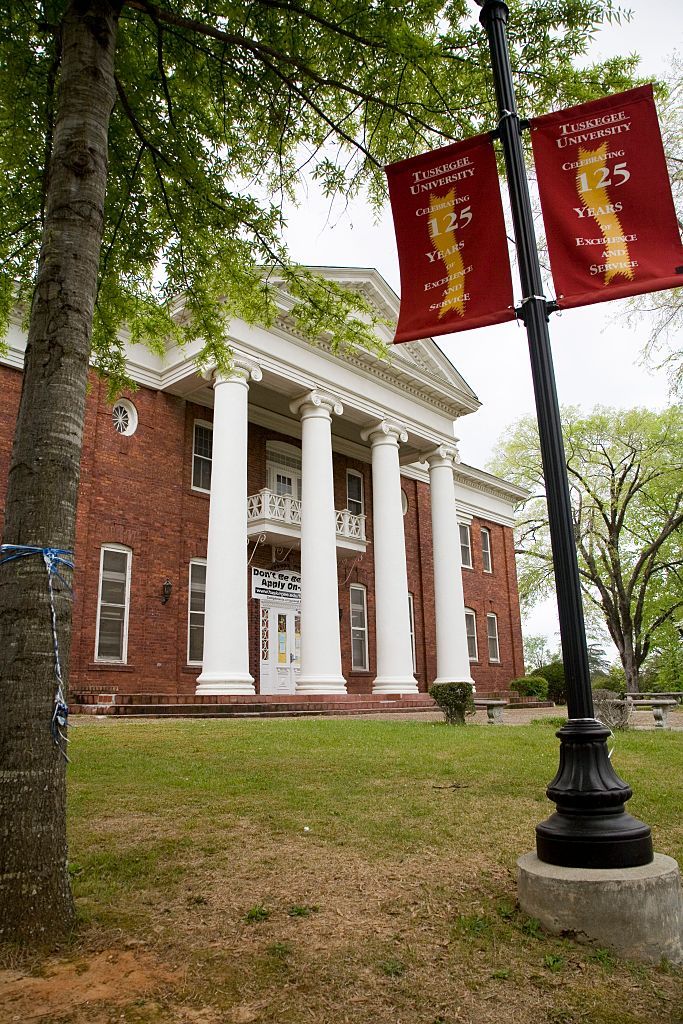
Tuskegee University is ushering in a new era of campus professionalism. The historic HBCU recently announced an updated dress code prohibiting bonnets, durags, bedroom slippers, revealing clothing, and other forms of sleepwear in classrooms, dining facilities, and official university spaces. According to the administration, this move is designed to prepare students for life beyond graduation.
According to the university, the policy is part of a broader effort to encourage students to present themselves in a manner that reflects professionalism and represents one of the nation’s most historic HBCUs. In a message to parents of incoming students, President Dr. Mark A. Brown emphasized that the changes are intended to prepare students for life after graduation, saying, “The goal here is not meant to restrict students from enjoying the Tuskegee Experience, but to prepare them with a solid foundation for the workforce they will enter once they leave Tuskegee.”
Tuskegee University Bans Bonnets and Durags
The news quickly sparked debate across social media, with some applauding the decision as a lesson in workplace readiness and others arguing that the school should prioritize bigger problems affecting students. “Out of all issues these HBCUs have, this is what they focus on. Focus on answering the phone for financial aid; there should be no reason why every semester there are no rooms available, no emergency funds for students, no parking, etc.,” commented one social media user.
Other users believe the students should be only held accountable for what they wear when participating in professional activities. “They could’ve made it mandatory for presentations and public Speaking engagements, but to make it a rule on campus in general is too much. They still pay to go to school there.” The university also announced stricter classroom policies requiring students to silence their cell phones during class unless otherwise instructed by a professor.

The HBCU Fashion Tradition
In addition to highlight professionalism or a lack thereof, this conversation also shines a spotlight on one of the most celebrated traditions in HBCU culture: fashion. For generations, Historically Black Colleges and Universities have doubled as unofficial runways where personal style, confidence, and school pride intersect. Walking across the yard has always been synonymous with dressing to impress, with students sporting everything from school sweatshirts and tailored blazers to the latest sneakers, designer handbags, and flashy accessories. At many HBCUs, getting dressed for class has always been part of the experience.
While HBCU campuses are often viewed as spaces where students can feel most comfortable, many also see them as training grounds for life after graduation. Tuskegee University’s new dress code ban has sparked a deeper conversation about how expression, comfort, and professionalism intertwine, and how HBCUs continue to balance their strong cultural traditions with preparing students for success beyond the yard.
Thoughts?
Tuskegee University's Ban On Bonnets And Durags Sparks Debate was originally published on hellobeautiful.com