Invisible design choices that shape office life
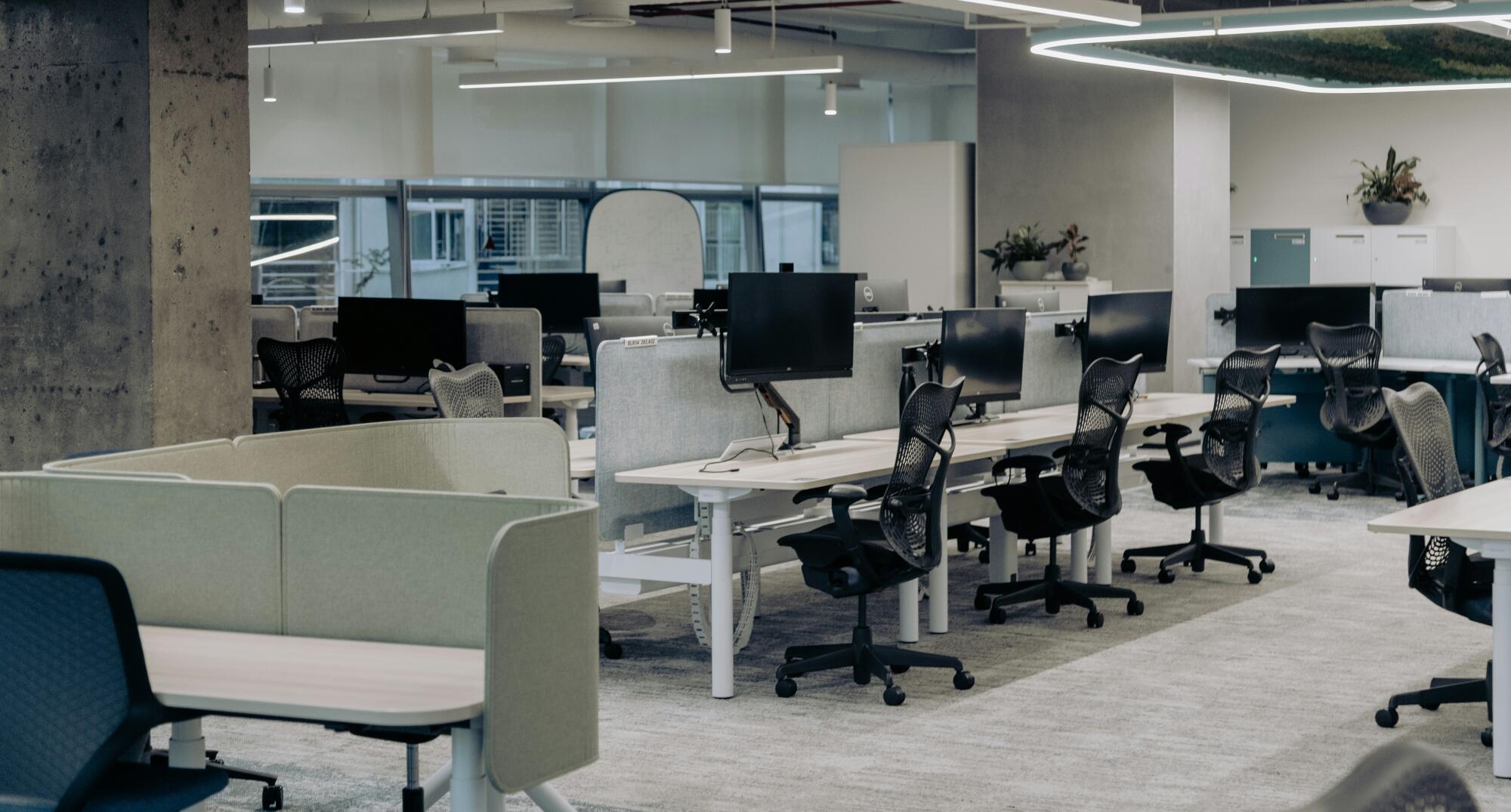
Office life is increasingly focused on wellness and layouts that allow different work styles and activities. While fancy coffee machines and lounge seating provide obvious comfort, there are hidden design benefits in the use of color, natural light, and acoustic design. These subtle choices can affect anything from concentration to eye strain.
A survey by Robin found that 30% of companies won’t consider hybrid work because they’re not willing to compromise their in-office culture. Failure to meet the growing needs of the workforce can affect morale, productivity, and retention, causing a good worker to jump ship. Adding a green wall, a fresh coat of paint, and flexibility in work and break zones can create a space more conducive to innovative ideas.
How Do Open Spaces Affect Office Life?
The concept of an open space can be a double-edged sword if it’s not done correctly. While the idea is to encourage more teamwork, the noise and constant interruptions can inhibit that. Therefore, it’s common to walk into these spaces and see many employees wearing headphones just to be able to focus or at least subconsciously signal “Do not disturb.”
The lack of privacy and non-stop background noise can be stressful, especially for Black workers dealing with overhearing microaggressions, like being referred to as a “black snake.” That stress from so much overstimulation and poor psychological safety can further trickle down into performance anxiety and health issues.
Office productivity can take a hit from everyone’s phone alerts and conversations going on constantly. Returning to focus after a distraction isn’t automatic and can take an average of 25 minutes and 26 seconds to return to work after an interruption, according to Rivier University.
On a positive note, it’s easy to have a quick chat and start more projects quickly – if you have a positive team environment. A company can fit more desks into smaller areas without solid walls. With some design adjustments, an open office space can be more tolerable.
What Hidden Office Design Choices May Improve the Work Environment?
Ergonomic office designs that balance an open layout for easy flow with privacy pods allow for quick breaks or private phone calls. These are essential in high-traffic areas to give Black workers relief from feeling the need to “code-switch” for a few minutes.
Multipurpose wellness rooms provide a private, lockable space to recharge. People can decompress, meditate, or pray in private to meet their religious or personal mindfulness practices throughout the workday.
Sound-absorbing panels on walls reduce noise levels for a sense of calm in office life. This allows employees to concentrate deeply and meet deadlines faster.
Having the right equipment can ensure that anyone who’s in the physical office or working remotely can have the same quality meetings. Companies should have well-positioned cameras, quality microphones, and balanced lighting in conference rooms so no one feels isolated during collaboration.

Color theory is real, as the right hue can calm you down and promote focus, such as blue. Red is energizing, but too much can cause worry; balance it out with a bold accent wall and select furniture pieces. Yellow is often symbolic of friendship, and this color, along with orange, helps comfortably warm a space enough to spark creative collaboration.
Natural light is a mood booster and helps regulate the body clock. A flow of ample light from windows is much better than glaring artificial light, which can strain the eye, but make sure desks are placed to avoid harsh screen glare. Having openable windows allows fresh air that boosts energy and airs out poor smells.
Why Are Plants More Than Decor?
A modern office environment often has more plants to promote employee wellness and help clean the air. Vegetation brings life to a sterile place, and the shapes and colors can break up the monotony of a boring office.
No walls? No problem; you can use modular rectangular plant containers of various sizes to break up an open space and create flexible privacy barriers.
Frequently Asked Questions
Is There a Reasonable Expectation of Privacy in an Office?
Yes, you have a right to privacy under the U.S. Constitution’s 4th Amendment. California’s Constitution also speaks of this right.
There are certain kinds of pre-employment and post-employment questions employers legally shouldn’t ask if they’re unrelated to the job. For example, how much weight you can lift has nothing to do with whether you’re applying to an administrative assistant role.
Criminal records may be up for discussion within limitations. Under California’s Labor Code Section 432.7, most employers can’t ask about arrests that don’t lead to convictions.
Is Remote Work Going Away in 2026?
No, remote work isn’t going away; however, it is evolving into a more permanent hybrid model. Many companies have pushed for return-to-office mandates, but many employees still work from home at least part of the week.
According to Gallup, 52% of remote-capable workers use hybrid environments to balance work between home and the office. Fully remote work is still alive, but not nearly as much as it was during and right after the pandemic.
It’s still very stable in specific fields like:
- Tech
- Finance
- Sales
What Is Office Peacocking?
This trend involves companies intentionally redesigning physical offices with flashy upgrades. It may include buying biophilic decor and luxury furniture to make the space appear more attractive and home-like.
It’s a method used to attract remote and hybrid employees to return to the office. Some even have amenities like barista-style coffee bars and wellness rooms.
This term can also refer to individual employees who are known for excessive self-promotion and showboating. You’ll notice them monopolizing meeting conversations and ensuring that managers always see them doing something in the office.
Good Design Can Support Black Workers
Returning to office life hasn’t been easy for many who got used to working from the comfort and quiet of home. However, offices that want to remain competitive and protect employees’ mental and physical health can make adjustments from soundproofing materials and hubs to adding plants and strategic use of color. Those working remotely can apply these same designs to a home office for even more comfort.
Learn more about work trends in other articles on our website.