Beyond the Crash: The Long Recovery Road That Follows Most Commercial Trucking Accidents
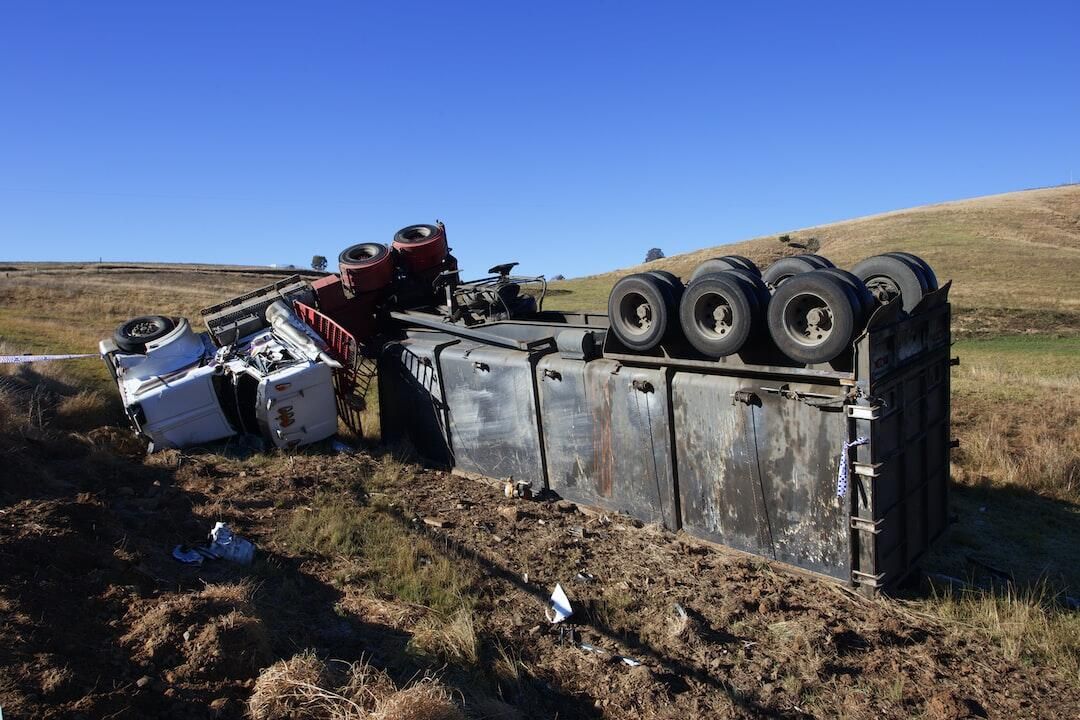
Commercial trucking accidents leave survivors dealing with injuries, paperwork, and financial strain longer after the wreck itself gets cleared from the road. You expect the physical pain to fade on a predictable timeline, but the reality often looks different. Between medical appointments, missed work, and conversations with insurance adjusters, recovery becomes its own full-time job.
Trucking accidents also carry a scale that smaller collisions rarely match, given the size and weight of the vehicles involved. Fatal crashes involving large trucks and buses climbed 26.4% between 2016 and 2022, according to the Federal Motor Carrier Safety Administration. Understand what recovery actually looks like and where to find support along the way.
What Injuries Are Most Common After a Trucking Accident?
Commercial trucking accidents often produce injuries far more severe than a typical fender bender, given the weight disparity between passenger vehicles and loaded semis. Spinal injuries, traumatic brain injuries, and complex fractures show up frequently in these crashes. Even survivors who avoid catastrophic injury often deal with lingering soft tissue damage that takes months to resolve.
Emotional recovery deserves attention alongside physical healing. Anxiety around driving, sleep disruption, and general hypervigilance are common after a serious crash, even when physical injuries heal on schedule. Addressing that mental toll early supports a smoother overall recovery.
According to the Insurance Institute for Highway Safety, most people killed in crashes between large trucks and passenger vehicles are occupants of the smaller vehicle. That imbalance explains why passenger vehicle occupants so often carry the heaviest physical burden after these collisions.
Multiple injuries at once are common as well, which complicates treatment planning. A survivor managing a fracture alongside soft tissue damage often needs coordinated care from several specialists.
How Long Does Trucking Accident Rehabilitation Typically Take?
Recovery timelines differ greatly based on how severe your injuries are. Consider the general ranges survivors often face:
- Soft tissue injuries typically improve within six to eight weeks
- Fractures often require three to six months to heal fully
- Spinal cord or traumatic brain injuries can involve a year or longer of ongoing care
- Emotional recovery frequently continues well past physical milestones
Trucking accident rehabilitation rarely follows a straight line. Setbacks happen, and pushing through pain too quickly can sometimes extend your recovery instead of shortening it. Working closely with your medical team helps you pace your return to normal activity realistically.
Consistency matters more than speed during this process. Skipping appointments or ignoring a therapist’s guidance to “push through” often costs you more time in the long run than following the recommended pace.
Your age and overall health before the accident also shape your timeline. Two people with similar injuries can recover at noticeably different paces.
What Does Post-Accident Recovery Involve Beyond Medical Care?
Post-accident recovery extends well beyond the hospital or physical therapy office. Many survivors juggle time away from work, mounting medical bills, and communication with multiple insurance companies simultaneously. That administrative weight can feel just as exhausting as the physical healing itself.
Documentation becomes essential during this stretch. Keeping records of appointments, symptoms, and missed workdays creates a clearer picture of how the accident has affected your life, which matters both for your own tracking and for any potential claim. Losing track of these details early can complicate matters later.
Support from family, friends, or a support group can ease the isolation many survivors describe. Recovery from a serious trucking accident rarely happens in a vacuum, and leaning on your community during this stretch is not a sign of weakness.



Financial strain often compounds the stress, especially when missed paychecks pile up alongside medical bills. Understanding what expenses you can track and potentially recover helps you approach this stretch with a clearer plan.
Road Safety Measures That Could Prevent Future Accidents
Trucking industry safety standards continue evolving as regulators respond to rising crash numbers. Electronic logging devices, stricter hours-of-service rules, and updated inspection requirements all aim to reduce driver fatigue and mechanical failure on the road. These road safety measures represent meaningful progress, even though crashes still happen.
Advocacy plays a role too. Survivors who share their experiences often contribute to broader conversations about trucking industry accountability and safety reform. Your story, even in a small way, can help shape safer roads for everyone who shares them with commercial trucks.
In areas where commercial routes run through residential neighborhoods, community awareness matters. Local advocacy groups sometimes push for better signage or improved lighting near high-traffic trucking corridors.
If your recovery involves navigating a legal claim, working with an experienced truck accidents lawyer in Midland can help you understand your options without adding more stress to an already difficult process.
Frequently Asked Questions
How Long Do You Have to File a Claim After a Trucking Accident?
Deadlines vary by state, so confirming your local statute of limitations early protects your options. Missing that window can prevent you from pursuing compensation altogether, regardless of how strong your case might be. Seeking legal advice promptly after your accident helps you avoid missing important deadlines.
What Should You Document After a Commercial Truck Accident?
Photos of the scene, medical records, witness information, and copies of any police report all support your recovery process. Keeping a personal log of symptoms and missed work adds further detail that insurance companies often request. Thorough documentation strengthens your position throughout recovery.
Can You Still Recover Compensation If You Were Partly at Fault?
Many states allow some compensation even when fault is shared, though the rules vary significantly by location. The amount you can recover typically decreases based on your percentage of fault. An attorney familiar with your state’s laws can clarify how this applies to you.
Understanding Commercial Trucking Accidents
Commercial trucking accidents create a recovery process that extends well past the physical injuries alone. Between rehabilitation, emotional healing, and the administrative weight of insurance and documentation, survivors face a genuinely long road. Leaning on medical professionals, your support system, and experienced legal guidance can make that road more manageable, one step at a time.
Want more resources on handling difficult situations confidently? Check out this site for additional articles and insights.