What Working on Oil Rigs Really Looks Like Beyond the Paycheck
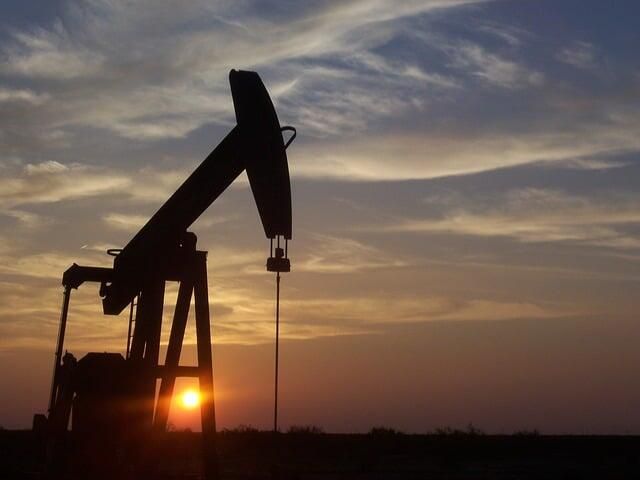
Anyone who prefers an outdoor lifestyle in often remote places could feel very at home working on oil rigs, but they must spend very long periods away from home in physically demanding positions. The rig doubles as your home for two weeks at a time under extreme hazards that can include mental fatigue. Black oil rig workers are still very concentrated in lower-paying roles while managing roadblocks to moving up to more lucrative positions like driller, despite finally being admitted to unions in the 1980s.
The U.S Bureau of Labor Statistics reported the median annual wage for gas and oil workers at $52,610 in 2024. This figure can balloon to three figures in specialized roles and management positions, such as in petroleum engineering.
Now, let’s look a little closer at a few questions many may ask.
What Makes Working on Oil Rigs So Enticing?
If you saw the hit science fiction film Armageddon, you know oil rig life couldn’t be more different from a boring office job, and you may possess skills capable of saving the world from a meteor strike.
The oil rig lifestyle means operating in a consecutive work hitch ranging from 14 to 28 days, followed by equal amounts of time off at home. That’s because the rigs operate 24 hours a day, 365 days a year, requiring workers to operate in demanding 12-hour shifts. There is rigorous manual labor, particularly for entry-level workers who must safely handle heavy machinery, even in the most extreme weather and environmental conditions.
However, life on oil rigs is self-sustaining, as your room and board are part of the deal. No household chores or cooking required after your intense 12-hour shift.
Don’t worry, your life is more than sleeping and working on the rig, as these platforms are full communities that have recreational rooms, Internet connectivity, and fully equipped gyms to stay in shape.
Depending on your site, it may also involve some type of travel. You may get to travel to international coastal destinations for specific offshore energy projects.
How Can I Get a Job on a Rig?
According to Airswift, the American Petroleum Institute offers several certifications, such as:
- Above-Ground Storage Tank Inspector
- Piping Inspector
- Pressure Vessel Inspector
BOISET is a mandatory certification covering safety procedures and emergency response to offshore environments, such as helicopter safety and sea survival skills. Become an expert in well control methods and pressure control equipment with a well control certificate from the Well Control Forum and the International Association of Drilling Contractors.
What Is the Dark Side to This Lifestyle?
While oil rig worker stories can involve tales of intense crew camaraderie, pranks, and wildlife encounters, there are stories of an unwelcoming environment based on racial and gender disparity.
When NPR spoke to now-retired attorney Bob Harwin in 2017, who fought for Black and female pipeliners to be included in unions, he said, “No black members, and there were no female members until the eve of trial, May 1986.” Charles Simpson also told NPR about nooses being left along with racial epithets on pipes, telling him to go home after he joined the union that was now forced to admit Black Americans and women.
Based on Capital B’s 2023 coverage, little has changed for Black and other minority workers in this field. Even when placed near majority Black areas such as Louisiana and along Texas’ Gulf Coast, research shows lucrative gas and oil jobs are still mostly going to white workers.
This is a dangerous job that can come with major risks from toxic exposure to fires and heavy machinery accidents. Being in remote locations can also mean a delayed emergency response, which can reduce the risk of a positive outcome for the injured.
Crash injuries can occur from falling cranes or pressurized systems. There’s the danger of falls from great heights, the risk of fire from working with oil, and exposure to toxic gases when there’s poor ventilation.
Getting to and from the job even poses another risk, as they can’t exactly walk to work. Offshore workers are at risk of helicopter crashes or supply vessel accidents going to and from the platform. If you become the victim of an oil rig work injury, you have the right to compensation, which a Jones Act lawyer in Houston can help with.
Will the Conversion to Clean Energy Affect Oil Industry Careers?
As the world converts over to more clean energy sources, oil workers may wonder about their job stability. According to the Renewable Energy Institute, the oil and gas industry sector alone employs almost 8 million people. However, people who are already in the oil industry have transferable skills they can apply to renewables, as this industry still needs engineers, technicians, systems operators, and more.
Frequently Asked Questions
What Oil Rig Was Used in the Movie Armageddon?
The hit 1998 movie starring the late Michaeal Clark Duncan and action star Bruce Willis featured an offshore rig named Stamper Oil. However, filming took place on the real-like Garden Banks Oil Rig, which was about 200 miles off the Gulf of Mexico. Film crews and equipment got on the rig with helicopters and barges.
How Many Years of Oil Is Left on the Earth?
According to Our World in Data, there is slightly over 50 years of oil left in reserves. However, this number can change with the discovery of new reserves. There are also about 49 years of gas and 139 years of coal left on the planet.
What Is the Hardest Job on an Oil Rig?
The two hardest jobs on an oil rig are considered the roustabouts, who are general laborers, as well as the roughnecks, who are the drilling crew. These entry-level positions are extremely physically demanding and may involve intense 12-hour shifts regardless of the weather, and involve using highly dangerous equipment.
The roughneck works on the rig’s heavy drilling pipes while the roustabout does all the heavy lifting and maintenance across the rest of the rig.
Oil Rig Life Isn’t Boring
Life working on oil rigs can be intense, as you won’t be bored. Whether you’re doing backbreaking work with machines or doing helicopter transport, this industry has several interesting jobs. However, it’s still a hurdle for Black workers to get a hold of.
If you want to learn more about different industries, continue to review our website for various economic guides.