The hidden economic cost of traffic accidents in black communities
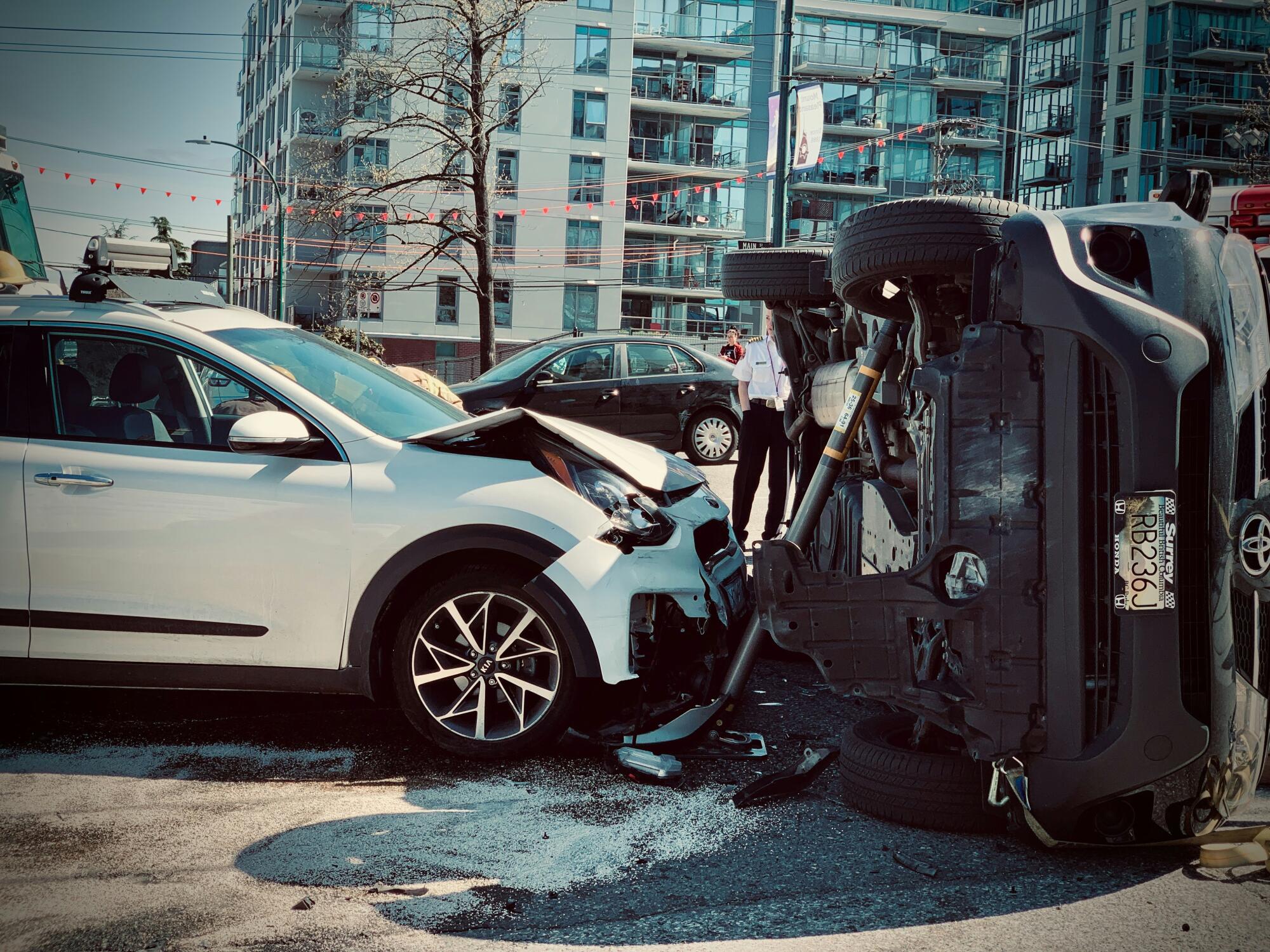
When traffic accidents happen in the Black community, there’s a disproportionate effect on area pedestrians and cyclists’ vulnerability due to poor infrastructure and targeted fines and fees that can place people in an ongoing debt cycle. When injuries require extensive trauma care, Black workers face high healthcare costs and lost productivity, which can have a devastating effect on families and push them further into poverty. There is a need for systematic change, starting with reallocating infrastructure budgets and shifting the focus away from individual behavior to building much safer street networks.
The National Safety Council reported that motor-vehicle deaths in the United States have dramatically increased by 918% between 1913 and 2024, going from 4,200 to 42,789 deaths. This percentage worsens among Black Americans who face a higher risk of fatal accidents, even when they’re not in a car. From workers to pedestrians, everyone should understand where and how to access appropriate compensation in the event of such a tragedy.
How Do Traffic Accidents Affect Black Americans More?
The financial effects of accidents stem from high out-of-pocket costs, from traffic tickets to medical bills, and from loss of income resulting from injuries. When families lose a loved one through related fatalities, they may suffer from severe long-term economic instability after losing the primary earner.
Even with health insurance, expenses from a car crash can still be overwhelming and not fully covered. It can lead to medical debt, the most common reason for bankruptcy among Americans in general.
Lower-income households may be more likely to drive older vehicles without modern safety features and technology, like electronic stability control or advanced airbags.
Unmaintained Infrastructure
Disproportionate risk among black Americans is due to environmental infrastructure or a lack thereof. Black people are more likely to rely on vulnerable modes of transportation, such as walking, public transit, or cycling, in neighborhoods that often don’t have bike paths.
According to a UCLA study referenced by the Institute for Transportation & Development Policy in 2023, the Black residents making up only 8% of Los Angeles’ population accounted for 18% of all collision victims at the time, with 70% of serious injuries and fatalities concentrated in Black and Latino neighborhoods.
Numbers are also stark on the opposite coast. In Massachusetts’ environmental justice population neighborhoods (where one classification criterion is minorities being over 40% of the population), which includes the majority Black neighborhood of Roxbury, Massachusetts, 71% of pedestrian crashes take place, according to Walk Massachusetts.
With frequent proximity to high-speed urban zones, traffic accidents in Black America often occur from a lack of crosswalks or working street lights.
Excessive Fines
The Sentencing Project reported in 2023 that Black Americans don’t actually need to be involved with traffic accidents to be affected financially. They face a higher likelihood of investigatory stops, which could be for minor incidents, like failure to signal a turn or a malfunctioning light.
These stops often come with high fines and fees. In this study, 28% of Black men in Kansas City experienced an investigatory stop compared to only 13% of White drivers, and age wasn’t a factor. Black drivers under the age of 40 were over twice as likely as their white counterparts to get this type of targeting, regardless of the type of car they drove.
Can Victims Mitigate the Economic Impact of Accidents?
Whether your injuries come from driving a car or being a pedestrian, you have the right to personal injury compensation, which car accident attorneys in Montgomery, Alabama, can help you with.
Another driver may be at fault for traffic violations like speeding or drunk driving. A professional lawyer’s investigation can find the unknown driver in a hit-and-run.
Your lawyer can also check if traffic accidents are happening as a result of municipal negligence, like broken traffic lights, damaged roads, weather conditions, etc.
What Can Municipalities Do?
Localities and states can start by investing in better urban planning with clear and maintained crosswalks and bike lanes, and reducing speed limits. A better crosstown public transit system means people can walk less in dangerous areas.
Authorities should also address the over-reliance on traffic fines and fees so people in marginalized communities can stop being seen as cash cows in these cases.
Frequently Asked Questions
How Do Car Crashes Impact Communities Beyond the Individuals Involved?
Car crashes put strain on healthcare systems, particularly emergency services and long-term care facilities. There’s a huge loss in productivity and commerce from long-term injuries and fatalities that affect individual households, market productivity, and the local economy.
Crashes can also cause excess fuel consumption when vehicles sit idle during traffic bottlenecks after a collision. This also causes the release of more harmful greenhouse gases.
Which Country Drives the Most?
According to Frontier Group, the United States drives more than any other country in the world. Americans tend to drive further by personal vehicle than people in other countries due to the geographic distances between points and a car-dependent suburban infrastructure. While some major cities do have public transport systems, the network isn’t present throughout the entire country.
There are lower population densities in certain areas with more dispersed suburbs compared to regions of Europe, making personal vehicles more necessary for convenient work and personal errand commutes. Americans also rely more on personal cars for long-distance, holiday travel, and vacations.
A breakdown shows that the average driving habits of Americans are over 13,500 miles per person compared to 7,000 to 9,000 miles for Europeans, according to Guardian Service.
Black America Absorbs the Hidden Costs of Accidents
Traffic accidents can have a devastating effect that ripples across a whole household and local economy. When it comes to Black Americans, the effect is even greater due to higher healthcare costs and damage to vehicles that can put families further into debt.
The targeting of higher traffic fees and fines, even when there’s no accident, also doesn’t help the financial situation. That’s why it’s imperative for municipal stakeholders to do better urban planning that makes transport from walking to public transit to driving safer for all neighborhoods.
If you enjoyed reading this content, check out other relevant articles on our website.