How James Lindsay Built Rap Snacks Into a Cultural Empire
From The Hood To Costco: How James Lindsay Built Rap Snacks Into a Cultural Empire
- Lindsay merged snacking and hip-hop as a kid, building Rap Snacks into a national brand.
- He partners with artists, giving them 50/50 deals to keep them invested in the brand's success.
- Lindsay uses innovative tactics like QR codes and an in-house trucking business to grow the business.
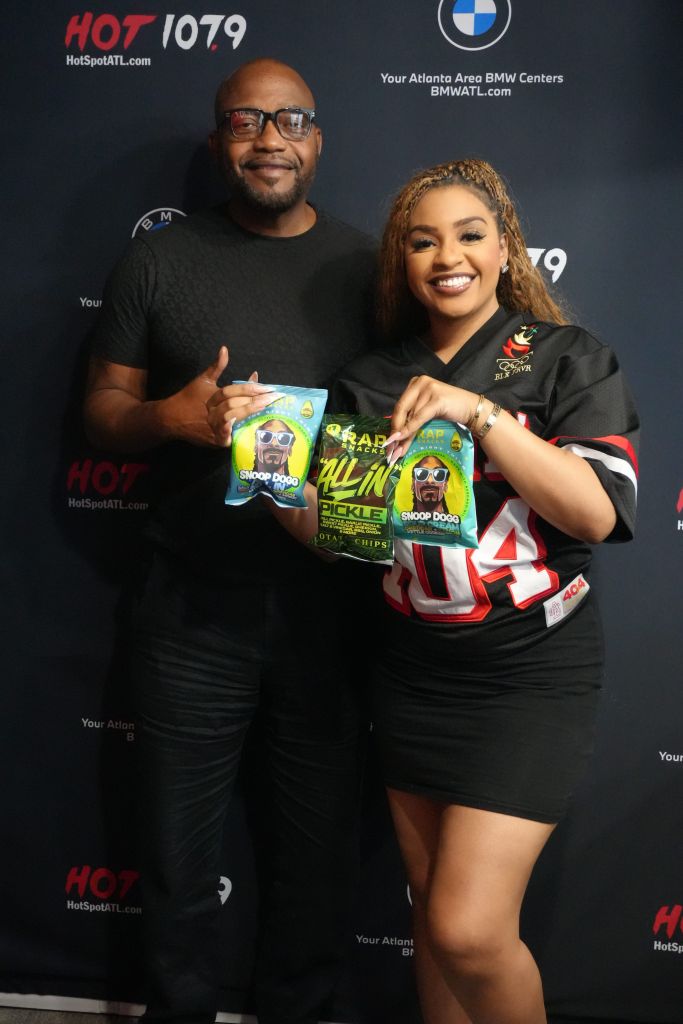
James Lindsay turned a childhood habit into a culture-shaping brand, and he pulled back the curtain on it all during his recent sit-down with MiAsia Symone on Hot 107.9’s “MiAsia in The Midday.” For Atlanta listeners, the conversation felt like a masterclass in building something real from the ground up.
The Rap Snacks founder and CEO traced his story back to 1994, when he merged two of America’s favorite pastimes: snacking and hip hop. As a kid, he bought potato chips for breakfast, lunch, and after school. That love never faded. Instead, it became the foundation for a brand that now lives in pantries and on Costco shelves everywhere.
When MiAsia asked whether artists step into the lab to mix their own flavors, James kept it honest. “If I went to the rappers and said, can I write your raps?” he joked. He respects the craft, so he handles flavor development himself while letting artists share what they love. That balance has produced some serious winners. The biggest surprise? Lil Baby’s “All In” is the best-selling flavor of them all, a unique blend that has people craving something they’ve never tasted before.
James also explained why he insists on 50/50 partnerships with every artist. He doesn’t just cut a check and move on. He wants his collaborators invested, so the wins and the work are shared equally.
The interview spotlighted his newest move, too: a Snoop Dogg kettle chip line made with avocado oil and gluten-free, now flying off shelves at Costco. It’s a “better for you” chip that still delivers the bold taste fans expect. He praised Snoop for understanding the bigger picture, since every bag spotted in stores becomes free promotion that sends fans straight to his music.
Beyond the chips, James shared how he runs an in-house trucking business with his childhood friend Dennis, keeping distribution under his own control and saving real money. He’s also launched a hip-hop talent search, hunting for the next breakout star, with a custom bag as one of the prizes.
Maybe his sharpest idea is treating each bag as a “record store.” Scannable QR codes on the back let fans stream and buy music right at their fingertips, connecting physical products to the music business.
His closing message stayed true to his philosophy: monetize what you love, do it with intention, and stay present. For James Lindsay, that mindset built more than a snack brand. It built a movement.
From The Hood To Costco: How James Lindsay Built Rap Snacks Into a Cultural Empire was originally published on hotspotatl.com