Times The U.S. Justice System Failed The Black Community - Page 2
For centuries, Black Americans have faced systemic injustice at the hands of a legal system that has too often failed to protect them.
Share the post
Share this link via
Or copy link
- Black Americans face unwarranted suspicion, police brutality, and lack of legal accountability for perpetrators.
- Landmark civil rights cases expose deep-rooted racial biases and the ongoing fight for justice and equality.
- High-profile police killings of Black individuals spark national outrage, protests, and demands for policing reform.
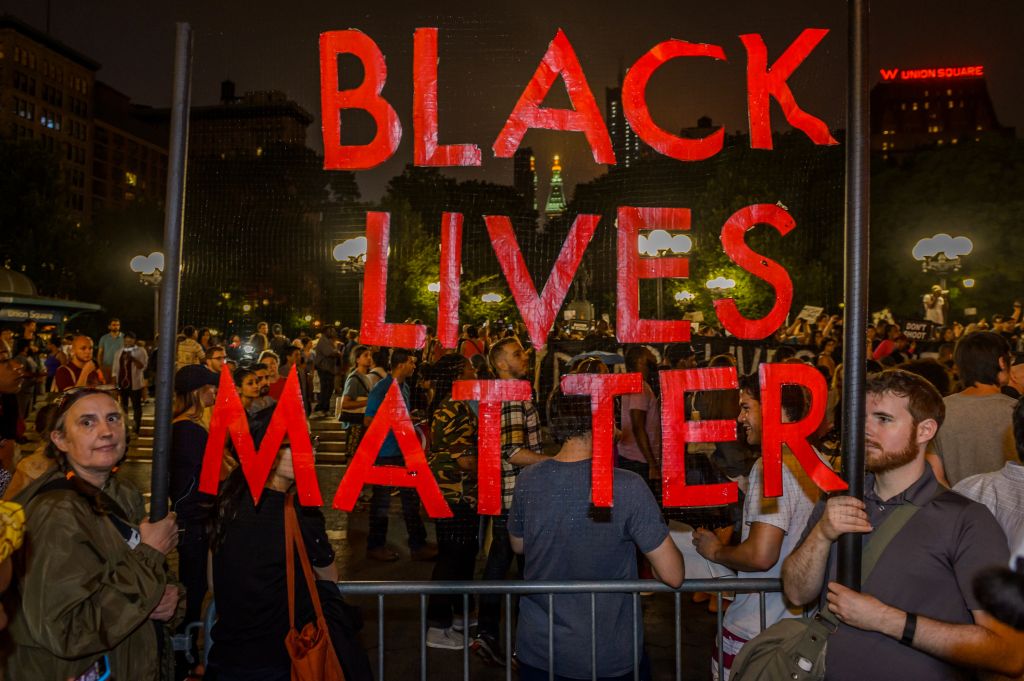
Throughout American history, Black people have endured systemic injustices that continue to manifest in devastating ways. The criminal justice system, rather than serving as a equalizer, has too often functioned as an instrument of oppression, from racial profiling that subjects Black individuals to unwarranted suspicion simply for existing in certain spaces, to acts of police brutality that have claimed countless innocent lives with little to no legal consequence.
When Black Americans fall victim to racially motivated violence and hatred, the scales of justice frequently tip in favor of the aggressor, with perpetrators walking away with charges reduced, sentences minimized, or in many cases, facing no punishment at all.
RELATED: Karmelo Anthony Trial Sparks National Debate On Race & Justice
This imbalance where Black victims are denied the justice routinely given to others sent a clear message that their lives held lesser value in the eyes of the law. It’s through this long, painful history of neglect and injustice that the Black Lives Matter movement was born, rising as a powerful collective demand that the systemic dehumanization of Black people be acknowledged, confronted, and dismantled once and for all.
RELATED: 10 Black American Flags You May Not Have Known Existed
Take a look at the times where the United States Justice System failed the Black community:
Emmett Till (1955 )
Emmett Till was a 14-year-old Black teenager from Chicago who was brutally murdered in Mississippi in August 1955 while visiting relatives. Till was accused of whistling at or offending a white woman, Carolyn Bryant, in a local grocery store. Days later, Carolyn’s husband, Roy Bryant, and his half-brother, J.W. Milam, kidnapped Emmett from his great-uncle’s home, beat him, shot him, and dumped his body in the Tallahatchie River. His mother, Mamie Till-Mobley, insisted on an open-casket funeral so the world could see the brutality inflicted on her son, and images from the funeral shocked the nation.
Bryant and Milam were arrested and charged with murder, but an all-white Mississippi jury acquitted them after a brief deliberation. Protected by double jeopardy laws, they later admitted to the killing in a paid magazine interview and were never punished for the crime. Emmett Till’s murder became a defining moment in the Civil Rights Movement, helping to expose the realities of racial violence and injustice in America and inspiring future activists to demand change.
Medgar Evers (1963)
Medgar Evers was a prominent civil rights activist and field secretary for the NAACP in Mississippi. He spent years fighting against segregation, voter suppression, and racial discrimination throughout the South. On June 12, 1963, Evers was assassinated outside his home in Jackson, Mississippi, after returning from a civil rights meeting. He was shot in the back in front of his wife and children and died shortly afterward at a local hospital.
A white supremacist named Byron De La Beckwith was arrested and charged with the murder, but two all-white juries failed to reach a verdict, allowing him to go free for decades. It wasn’t until 1994 more than 30 years after the killing—that new evidence led to Beckwith’s conviction for murder. Medgar Evers’ death became a powerful symbol of the dangers faced by civil rights activists and further fueled the movement for racial equality in America.
16th Street Baptist Church bombing (1963)
The 16th Street Baptist Church bombing was a racist terrorist attack that took place on September 15, 1963, in Birmingham, Alabama, during the height of the Civil Rights Movement. Members of the white supremacist group the Ku Klux Klan planted explosives beneath the church, which served as a gathering place for civil rights activists. The explosion killed four young Black girls Addie Mae Collins, Denise McNair, Carole Robertson, and Cynthia Wesley—and injured more than 20 others.
The bombing shocked the nation and became one of the most tragic and defining moments of the Civil Rights Movement. Although suspects were identified early on, justice was delayed for decades. In the years that followed, several former Ku Klux Klan members were eventually convicted for their roles in the attack. The tragedy helped galvanize public support for civil rights legislation and remains a powerful reminder of the racial violence Black Americans faced during the fight for equality.
Malcolm X (1965)
Malcolm X was a powerful civil rights leader, minister, and advocate for Black empowerment who became one of the most influential voices in the fight for racial justice during the 1950s and 1960s. Known for his outspoken criticism of racism and his calls for Black self-determination, Malcolm X challenged America to confront its treatment of Black people. After leaving the Nation of Islam in 1964 and embracing a broader vision of human rights and racial unity, he continued speaking out against inequality both in the United States and abroad.
On February 21, 1965, Malcolm X was assassinated while preparing to deliver a speech at the Audubon Ballroom in New York City. He was shot multiple times in front of his wife and children by gunmen connected to the Nation of Islam. Three men were convicted of the murder, but questions about the investigation persisted for decades. In 2021, two of the convicted men were exonerated after evidence revealed serious flaws in the original case. Malcolm X’s legacy continues to inspire generations through his advocacy for Black pride, self-respect, and the pursuit of justice.
Martin Luther King Jr.
Martin Luther King Jr. was one of the most influential leaders of the Civil Rights Movement, known for advocating nonviolent protest to combat racial segregation and injustice in the United States. As president of the Southern Christian Leadership Conference, King helped lead landmark campaigns such as the Montgomery Bus Boycott, the Birmingham Movement, and the March on Washington, where he delivered his famous “I Have a Dream” speech. His leadership played a major role in the passage of the Civil Rights Act of 1964 and the Voting Rights Act of 1965.
On April 4, 1968, King was assassinated while standing on the balcony of the Lorraine Motel in Memphis, Tennessee, where he had traveled to support striking sanitation workers. He was shot by James Earl Ray and died shortly afterward at the age of 39. Ray pleaded guilty to the murder but later recanted, leading to decades of debate and investigations surrounding the case. King’s death sparked grief, protests, and unrest across the nation, but his legacy endures as a symbol of equality, justice, and the ongoing fight for civil rights.
Arthur McDuffie (1979)
Arthur McDuffie was a 33-year-old Black insurance salesman and former Marine whose death became a major symbol of police brutality and racial injustice in the United States. On December 17, 1979, McDuffie was involved in a traffic stop and motorcycle chase with Miami police officers. After he was apprehended, several officers severely beat him with flashlights and batons, causing catastrophic head injuries. He died four days later from those injuries.
Several officers were charged in connection with McDuffie’s death, but in 1980 an all-white jury acquitted the defendants despite evidence that officers had attempted to cover up the beating by fabricating an accident report. The verdict sparked days of unrest in Miami, highlighting deep tensions over police misconduct and racial inequality. McDuffie’s case became a national example of the challenges Black Americans faced in seeking justice for police violence.
Eleanor Bumpurs (1984)
Eleanor Bumpurs was a 66-year-old Black woman living in public housing in the Bronx, New York, whose death became a controversial example of police use of force. On October 29, 1984, New York City police officers arrived at her apartment to carry out an eviction order due to unpaid rent. Bumpurs, who reportedly suffered from mental health issues, resisted the eviction and was holding a kitchen knife when officers entered her apartment. During the confrontation, an officer shot and killed her with a shotgun.
The incident sparked outrage among civil rights leaders and community members, who argued that excessive force was used against an elderly woman who needed assistance rather than a violent response. The officer who fired the fatal shot was indicted on charges related to her death, but he was ultimately acquitted. Eleanor Bumpurs’ case intensified conversations about police accountability, the treatment of people experiencing mental health crises, and the disproportionate use of force against Black Americans.
Yusef Hawkins (1989)
Yusef Hawkins was a 16-year-old Black teenager from Brooklyn, New York, whose death in 1989 became a national symbol of racial violence and injustice. On August 23, 1989, Hawkins and three friends went to the Bensonhurst neighborhood after hearing about a used car for sale. Unaware of the area’s racial tensions, they were confronted by a group of white youths who gathered because Hawkins was Black. The situation escalated, and Hawkins was shot and killed during the confrontation.
The killing sparked widespread outrage and protests across New York City, highlighting deep racial divisions and the persistence of hate crimes in urban America. Several individuals were charged in connection with the attack, and one was ultimately convicted of second-degree murder. Yusef Hawkins’ death led to increased attention on racial violence and contributed to broader conversations about youth safety, segregation, and justice in America.
Latasha Harlins (1991)
Latasha Harlins was a 15-year-old Black teenager from Los Angeles whose death became a major catalyst in discussions about racial tension and injustice in the early 1990s. On March 16, 1991, she was shot and killed by store owner Soon Ja Du inside a convenience store after a dispute over a bottle of orange juice that Harlins was accused of trying to steal. Video evidence showed that Harlins had money in her hand when the confrontation escalated, but she was still shot in the back of the head as she turned away.
The store owner was convicted of voluntary manslaughter, but she received a lenient sentence of probation, community service, and a fine instead of prison time. The decision sparked outrage across Los Angeles, especially in Black communities, and is widely cited as one of the contributing factors to the unrest that erupted in the 1992 Los Angeles uprising. Latasha Harlins’ death remains a painful reminder of racial bias in the justice system and the consequences of unequal accountability.
Rodney King (1991)
Rodney King was a Black motorist from Los Angeles whose 1991 beating by police officers became one of the most widely publicized cases of police brutality in U.S. history. On March 3, 1991, King was pulled over after a high-speed chase and was severely beaten by LAPD officers while more than a dozen officers stood by. A nearby resident recorded the incident on video, and the footage was broadcast worldwide, sparking outrage and national debate about police violence and racial injustice.
Although the officers involved were charged, they were acquitted in 1992, a verdict that led to the 1992 Los Angeles uprising, marked by days of civil unrest, looting, and violence. Rodney King later made a public plea for peace, famously asking, “Can we all get along?” His case became a defining moment in American history, reshaping conversations about policing, accountability, and systemic racism.
Amadou Diallo
Amadou Diallo was a 23-year-old West African immigrant from Guinea who was living in New York City when he was killed by police in 1999. On February 4, 1999, four plainclothes NYPD officers approached Diallo in the vestibule of his apartment building while searching for a rape suspect. As he reached for his wallet—believed by officers to be a weapon—they opened fire, shooting him 41 times. Diallo was unarmed and died at the scene.
The officers involved were charged with second-degree murder and reckless endangerment, but in 2000 they were acquitted at trial, sparking widespread protests and renewed criticism of aggressive policing tactics in New York City. Amadou Diallo’s death became a powerful symbol in the national conversation about racial profiling, police accountability, and the use of excessive force.
Sean Bell (2006)
Sean Bell was a 23-year-old Black man from Queens, New York, was killed the morning of his wedding. His death became a major case in discussions about police use of force. On November 25, 2006, Bell and his friends were leaving a nightclub from his bachlor party when undercover NYPD officers fired 50 shots into their vehicle, killing Bell and injuring two others. The officers said they believed a weapon was present, but no gun was found at the scene.
In 2008, the officers involved were tried on charges including manslaughter and reckless endangerment but were acquitted, leading to widespread outrage and protests in New York City. Sean Bell’s death intensified national debate over police accountability and became a symbol of the broader issue of excessive force in encounters with Black Americans.
Oscar Grant (2009)
Oscar Grant was a 22-year-old Black man from Oakland, California, whose death became one of the earliest widely shared modern cases of police violence captured on video. In the early hours of January 1, 2009, Grant was detained by Bay Area Rapid Transit (BART) officers at Fruitvale Station following a disturbance on a train. While he was lying face down and unarmed, Officer Johannes Mehserle shot him in the back.
The incident was recorded by multiple bystanders and cell phones, and the footage spread rapidly online, sparking public outrage and protests in Oakland. Mehserle was later convicted of involuntary manslaughter and served time in prison. Oscar Grant’s death is often cited as a precursor to the modern movement against police brutality and helped fuel later activism around cases of racial injustice in the United States.
Trayvon Martin (2012)
Trayvon Martin was a 17-year-old Black teenager from Florida whose death became a turning point in national conversations about race, profiling, and self-defense laws in the United States. On February 26, 2012, Martin was walking back to his father’s fiancée’s home in Sanford, Florida, when he was confronted by neighborhood watch volunteer George Zimmerman. After a confrontation, Zimmerman shot and killed him, claiming self-defense under Florida’s “Stand Your Ground” law.
Zimmerman was charged with second-degree murder, but in 2013 a jury acquitted him, sparking widespread protests and outrage across the country. Trayvon Martin’s death became a catalyst for the rise of the Black Lives Matter movement and continues to be referenced in discussions about racial profiling, gun laws, and justice system disparities in America.
Jordan Davis
Jordan Davis was a 17-year-old Black teenager from Jacksonville, Florida, whose death became another major case in the national conversation about racial profiling and gun violence. On November 23, 2012, Davis was sitting in an SUV with friends at a gas station when an argument broke out with Michael Dunn over loud music. Dunn fired multiple shots into the vehicle, killing Davis.
Dunn claimed he acted in self-defense under Florida’s “Stand Your Ground” law, but investigators found no weapon in Davis’s car. He was later convicted of first-degree murder and sentenced to life in prison without parole. Jordan Davis’s death, coming just months after the killing of Trayvon Martin, intensified national outrage and helped further fuel conversations about racial bias and gun laws in the United States.
Renisha McBride
Renisha McBride was a 19-year-old Black woman from Detroit whose death sparked national attention around race, policing, and neighborhood watch laws. On November 2, 2013, McBride crashed her car in a suburban Dearborn Heights neighborhood while reportedly under the influence. Injured and disoriented, she went to a nearby home seeking help and knocked on the door.
The homeowner, Theodore Wafer, shot her through the screen door with a shotgun, claiming he thought someone was trying to break in. McBride was unarmed and died on the porch. Wafer was later convicted of second-degree murder and manslaughter and sentenced to prison. Renisha McBride’s death raised broader questions about fear, implicit bias, and the deadly consequences Black Americans can face when seeking help in unfamiliar or predominantly white neighborhoods.
Eric Garner
Eric Garner was a 43-year-old Black man from Staten Island, New York, whose death became one of the most widely known cases of police use of chokeholds in the United States. On July 17, 2014, Garner was approached by NYPD officers on suspicion of selling loose cigarettes. During the arrest attempt, Officer Daniel Pantaleo placed him in a prohibited chokehold while other officers restrained him on the ground. Garner repeatedly said, “I can’t breathe,” before losing consciousness and later being pronounced dead.
The incident was captured on video by a bystander and quickly spread, fueling national outrage and protests. Despite a grand jury investigation, no officer was indicted in connection with his death, intensifying criticism of police accountability and systemic racism. Eric Garner’s final words, “I can’t breathe,” became a rallying cry in the movement against police brutality in the United States.
Michael Brown (2014)
Michael Brown was an 18-year-old Black man from Ferguson, Missouri, whose death became a defining moment in the modern conversation about police violence in the United States. On August 9, 2014, Brown was shot and killed by Officer Darren Wilson after an encounter that began when Brown and a friend were stopped for walking in the street. Accounts of what happened during the confrontation varied widely, and the incident quickly drew national attention.
A grand jury later declined to indict Officer Wilson, and a federal investigation also did not result in charges, sparking widespread protests in Ferguson and across the country. The unrest highlighted long-standing tensions between Black communities and law enforcement, and Michael Brown’s death became a catalyst for the rise of the modern Black Lives Matter movement and renewed demands for policing reform.
Tamir Rice
Tamir Rice was a 12-year-old Black boy from Cleveland, Ohio, whose death shocked the nation and intensified concerns about policing and the treatment of Black children. On November 22, 2014, Tamir was playing in a park with a toy pellet gun that resembled a real firearm. A 911 caller had reported a “possibly fake gun,” but that information was not clearly relayed to responding officers.
Within seconds of arriving, Officer Timothy Loehmann shot Tamir, who was hit almost immediately after officers exited their vehicle. Tamir died the next day from his injuries. A grand jury later declined to indict the officers involved, sparking protests and national outrage. Tamir Rice’s death became a powerful symbol of the dangers of over-policing and the urgent calls for reform in how law enforcement interacts with Black youth.
Freddie Gray
Freddie Gray was a 25-year-old Black man from Baltimore, Maryland, whose death while in police custody sparked widespread protests and civil unrest. On April 12, 2015, Gray was arrested by Baltimore police officers after making eye contact and running from them in a high-policing area. During transport in a police van, he suffered a severe spinal injury while not properly restrained with a seatbelt, according to later investigations.
Gray fell into a coma and died on April 19, 2015. His death led to citywide protests and the 2015 Baltimore uprising, highlighting long-standing issues of police accountability and systemic inequality. Six officers were charged in connection with his death, but all cases ultimately ended in acquittals or dismissals. Freddie Gray’s death remains a significant example in discussions about police misconduct and criminal justice reform in the United States.
Sandra Bland (2015)
Sandra Bland was a 28-year-old Black woman whose death after a traffic stop in Texas raised national concerns about police conduct, racial profiling, and jail safety. On July 10, 2015, Bland was pulled over in Waller County, Texas, for a minor traffic violation. The encounter escalated, and she was arrested and taken to the county jail.
Three days later, Bland was found dead in her jail cell, with authorities ruling it a suicide. However, her family and many supporters questioned the circumstances surrounding her death, leading to widespread public scrutiny and calls for further investigation. While no criminal charges were ultimately brought against officers involved, Sandra Bland’s case became a major focal point in discussions about mental health, police accountability, and the treatment of Black women in the criminal justice system.
Alton Sterling (2016)
Alton Sterling was a 37-year-old Black man from Baton Rouge, Louisiana, whose death became a focal point in the national debate over police use of force. On July 5, 2016, officers responded to a call about a man allegedly threatening people with a gun outside a convenience store where Sterling was selling CDs. During the encounter, officers pinned Sterling to the ground, and moments later he was shot multiple times at close range.
Video footage recorded by bystanders quickly spread online, sparking protests in Baton Rouge and across the country. Federal and state investigations were conducted, but no criminal charges were filed against the officers involved. Alton Sterling’s death, along with other high-profile cases that year, intensified calls for police reform and became a significant moment in the Black Lives Matter movement.
Philando Castile
Philando Castile was a 32-year-old Black man from Minnesota whose death became one of the most widely viewed police shootings in U.S. history. On July 6, 2016, Castile was pulled over by Officer Jeronimo Yanez during a traffic stop in Falcon Heights, Minnesota. Castile informed the officer that he was legally carrying a firearm and had a permit to do so. Moments later, Yanez fired multiple shots into the vehicle, fatally wounding Castile while his girlfriend and her young daughter were inside the car.
The aftermath was streamed live on Facebook by Castile’s girlfriend, Diamond Reynolds, bringing immediate national attention to the case. Officer Yanez was charged with manslaughter but was acquitted in 2017, a verdict that sparked widespread protests and renewed calls for police reform. Philando Castile’s death became a powerful symbol in the fight against police brutality and racial injustice, particularly regarding interactions between law enforcement and legally armed Black Americans.
Botham Jean (2018)
Botham Jean was a 26-year-old Black accountant originally from Saint Lucia who was living in Dallas, Texas, when he was fatally shot in his own apartment on September 6, 2018. Off-duty Dallas police officer Amber Guyger entered Jean’s apartment, mistakenly believing it was her own, and shot him while he was sitting inside his home. Guyger claimed she thought Jean was an intruder, but the case drew national attention because Jean was unarmed and in the place where he had every right to be.
In 2019, Amber Guyger was convicted of murder and sentenced to 10 years in prison, making the case one of the rare instances in which a police officer was convicted for the killing of an unarmed Black person. Botham Jean’s death sparked widespread discussions about police accountability, racial bias, and the sanctity of one’s home, while his family’s response, centered on faith and forgiveness, also drew significant public attention.
Atatiana Jefferson (2019)
Atatiana Jefferson was a 28-year-old Black woman from Fort Worth, Texas, who was fatally shot by a police officer inside her own home on October 12, 2019. Police were responding to a non-emergency welfare check after a neighbor noticed her front door was open and called authorities out of concern. As officers searched around the outside of the house, Officer Aaron Dean saw Jefferson through a window and fired a single shot, killing her within seconds.
The shooting sparked national outrage because Jefferson was unarmed, caring for her young nephew, and had committed no crime. Aaron Dean resigned from the Fort Worth Police Department and was later charged with murder. In 2022, he was convicted of manslaughter and sentenced to prison. Atatiana Jefferson’s death became a powerful example in discussions about police accountability, the dangers of aggressive policing tactics, and the disproportionate impact of police violence on Black Americans.
George Floyd (2020)
was a 46-year-old Black man from Houston whose death in Minneapolis, Minnesota, became a global symbol of police brutality and racial injustice. On May 25, 2020, Floyd was arrested after a store employee accused him of using a counterfeit $20 bill. During the arrest, Officer Derek Chauvin knelt on Floyd’s neck for more than nine minutes while Floyd repeatedly said, “I can’t breathe,” and bystanders pleaded for the officers to stop.
The incident was captured on video and quickly spread around the world, sparking massive protests and demonstrations across the United States and internationally. Derek Chauvin was later convicted of murder and manslaughter and sentenced to prison, while three other officers involved were also convicted on federal civil rights charges. George Floyd’s death became a defining moment in modern American history, fueling the largest racial justice protests in decades and intensifying calls for police reform and accountability.
Breonna Taylor (2020)
Breonna Taylor was a 26-year-old Black emergency room technician from Louisville, Kentucky, whose death became a major catalyst in the fight against police brutality and racial injustice. On March 13, 2020, Louisville police officers executed a late-night search warrant at Taylor’s apartment as part of a narcotics investigation. Taylor and her boyfriend, Kenneth Walker, were asleep when officers entered. Believing intruders were breaking in, Walker fired a shot, and officers responded with multiple rounds, striking and killing Taylor.
Her death sparked nationwide protests and calls for police reform, particularly regarding the use of no-knock warrants. Although no officers were charged directly for causing Taylor’s death, one former officer was later convicted on federal civil rights charges related to the raid. Breonna Taylor’s name became a rallying cry in the movement for racial justice, and her case continues to be cited in discussions about police accountability, search warrant practices, and the protection of civil rights.
Ahmaud Arbery (2020)
Ahmaud Arbery was a 25-year-old Black man from Georgia whose killing became a national symbol of racial injustice and vigilantism. On February 23, 2020, Arbery was jogging through a neighborhood near Brunswick, Georgia, when he was pursued by Gregory McMichael, his son Travis McMichael, and a neighbor, William “Roddie” Bryan. The men claimed they suspected Arbery of involvement in local crimes, despite having no evidence that he had committed a crime.
During the confrontation, Travis McMichael shot and killed Arbery. The case initially drew criticism because no arrests were made for more than two months. After video of the shooting was released publicly, the incident sparked nationwide outrage and renewed calls for racial justice. In 2021, all three men were convicted of murder and later found guilty of federal hate crime charges. Ahmaud Arbery’s death became a powerful reminder of the dangers of racial profiling and helped fuel the broader movement for racial equality and accountability.
Daunte Wright (2021)
Daunte Wright was a 20-year-old Black man from Minnesota whose death reignited national conversations about police accountability and racial justice. On April 11, 2021, Wright was pulled over by police in Brooklyn Center, Minnesota, for a traffic violation. During the stop, officers discovered an outstanding warrant and attempted to arrest him. As Wright got back into his vehicle, Officer Kim Potter fired her weapon, later claiming she had mistakenly drawn her handgun instead of her Taser.
Wright died shortly after the shooting, and the incident sparked protests in the Minneapolis area, which was already on edge during the trial of Derek Chauvin in the murder of George Floyd. Potter resigned from the police department, was convicted of first- and second-degree manslaughter, and was sentenced to prison. Daunte Wright’s death became another high-profile case in the ongoing debate over police use of force, training, and accountability.
Ma’Khia Bryant (2021)
Ma’Khia Bryant was a 16-year-old Black girl from Columbus, Ohio, whose death sparked national debate about police use of force and the protection of Black youth. On April 20, 2021, police responded to a 911 call reporting an attempted assault at a foster home where Bryant lived. As officers arrived, Bryant was involved in a physical altercation with two other young women and was seen holding a knife.
Officer Nicholas Reardon shot Bryant multiple times as she appeared to be moving toward another girl during the confrontation. Bryant died shortly after the shooting. The incident, which was captured on body camera footage, generated intense public discussion, with some arguing the officer acted to prevent further harm and others questioning whether alternative measures could have been used. Ma’Khia Bryant’s death became part of the broader national conversation about policing, youth violence, and racial justice in America.
Tyre Nichols (2023)
Tyre Nichols was a 29-year-old Black man from Memphis, Tennessee, whose death following a violent police encounter sparked national outrage and renewed calls for police reform. On January 7, 2023, Nichols was pulled over by Memphis police officers for alleged reckless driving. During the stop, officers forcibly removed him from his vehicle, and he fled on foot. When they caught up to him, he was severely beaten.
Nichols died three days later from his injuries. Body camera and surveillance footage of the beating was later released, showing the extent of the violence and prompting widespread protests across the country. Five Memphis police officers were fired and later charged with multiple crimes, including second-degree murder. Tyre Nichols’ death intensified national discussions about police accountability, the use of force, and systemic issues within specialized policing units.
Sonya Massey (2024)
Sonya Massey was a 36-year-old Black woman from Springfield, Illinois, whose death in her own home raised national concerns about police response to mental health calls and use of force. On July 6, 2024, Massey called 911 reporting a possible intruder. Deputies from the Sangamon County Sheriff’s Office responded and entered her home. During the interaction, one deputy fired a shot, striking Massey in the face and killing her.
The incident sparked widespread outrage after body camera footage was released, showing the escalation inside her home. The deputy involved was fired and later charged with murder. Sonya Massey’s death became part of the ongoing national conversation about policing reform, mental health crises, and the disproportionate impact of police violence on Black Americans.
Karmelo Anthony (2026)
Karmelo Anthony was found guilty of murder on June 9, 2026, and sentenced to 35 years in prison for the stabbing of Austin Metcalf in which Anthony says was in self defense. Both Anthony and the victim, Austin Metcalf, were teenagers,one black the other white. Though during Anthony’s trial his jury was filled with all white jurors both prosecution and defense stated that race was not a factor in this case.