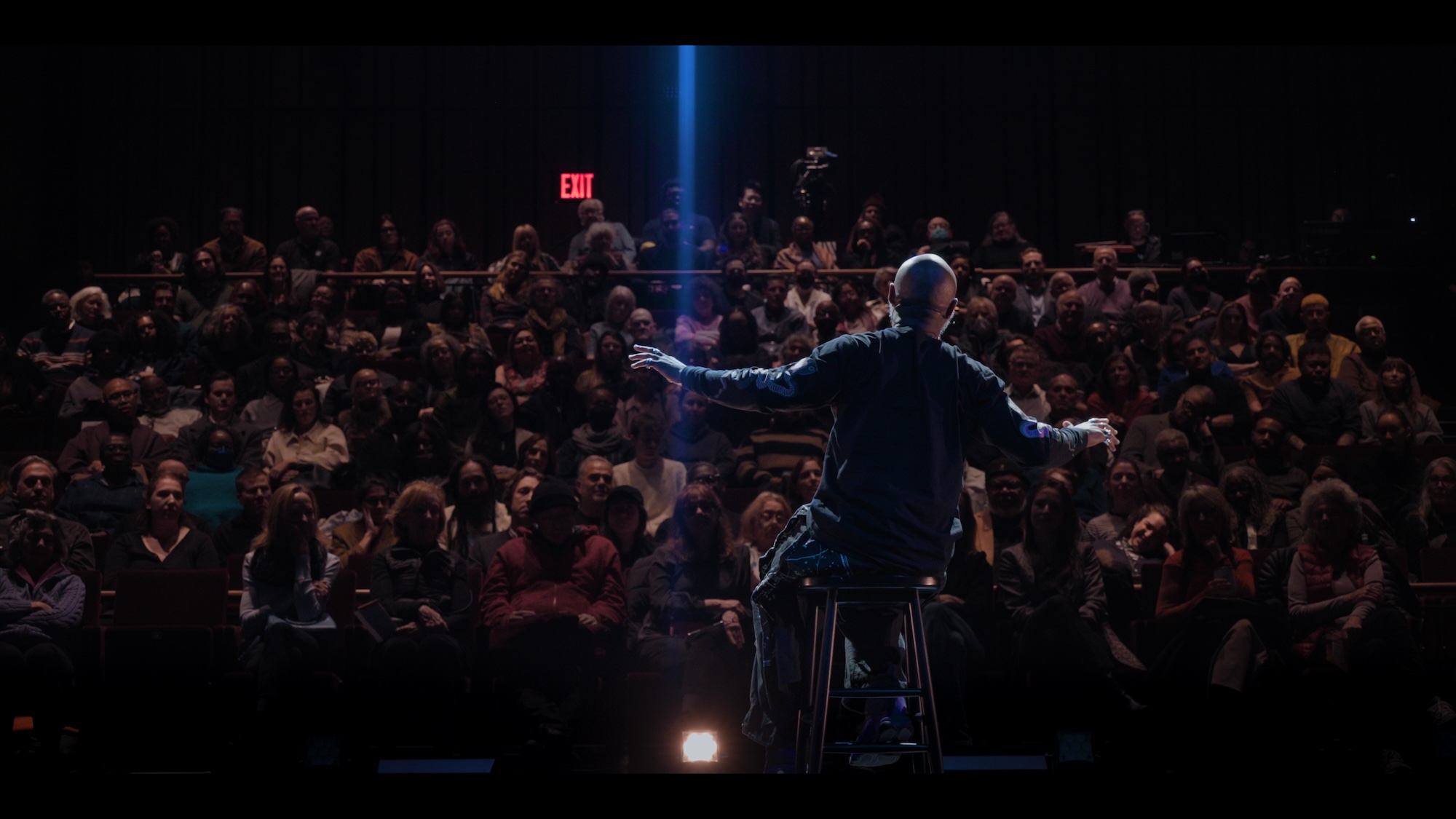
Tribeca Festival 2026: Inside The Meaning Of ‘March Forth’
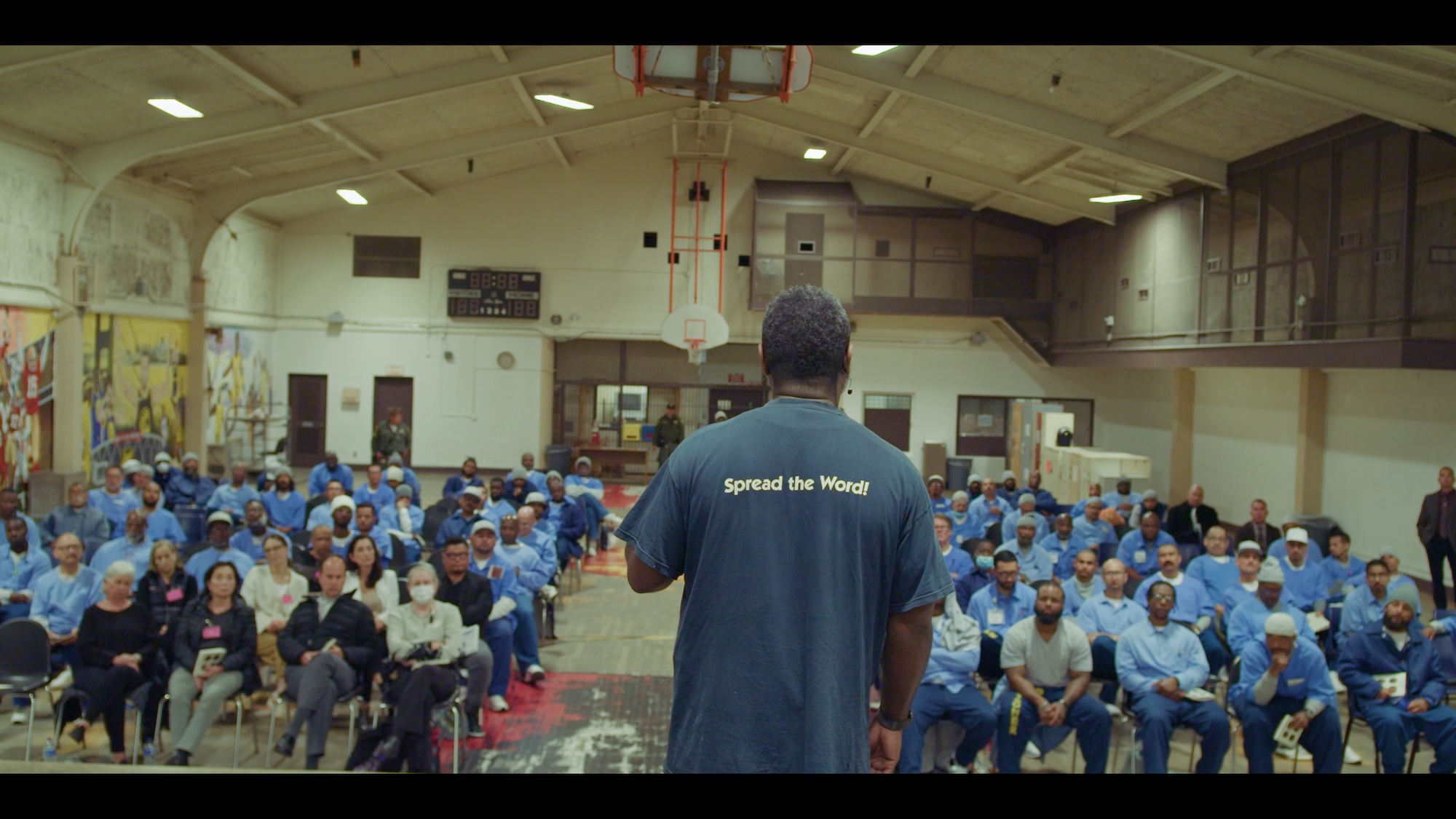
“One of the things we wanted to do with [March Forth] is make clear what the stakes were. A lot of times when you think about incarceration, conversations about violence get ignored, and it makes it difficult to get it to the places where you want to get it to…we go there.”
— Reginald Dwayne Betts
If we’re lucky, many of us will never have a firsthand understanding of what it means to be incarcerated. Our culture is sadly all too familiar with the topic though, as an estimated average of 700,000 to 840,000 Black people in the U.S. are currently behind bars. For those who manage to make it through serving their time — that’s a whole other issue in itself — the damage done physically, mentally, socially and economically can oftentimes be irreparable.
Fortunately, that wasn’t the case for Reginald Dwayne Betts. After doing a nine-year bid for a robbery committed as a teen, he used his experience to reverse the odds set against him by adapting his passion for poetry into a degree from Yale Law School, prison reform advocate for the Obama Administration and leading the mission at Freedom Reads to put libraries in every cellblock in America.
It’s the subject of his powerful new documentary, March Forth, which recently debuted at the 2026 Tribeca Festival.
RELATED: Tribeca Festival 2026 Opening Night Review – Earth, Wind & A Fire Documentary
The film is a Spotlight Documentary this year as recipient of a grant from SUBJECT MATTER, which provides funds to projects that specifically highlight topical social issues. March Forth was selected for capturing the dignity and humanity of people in prison and the transformative power of literature, a decision we most definitely agree with.
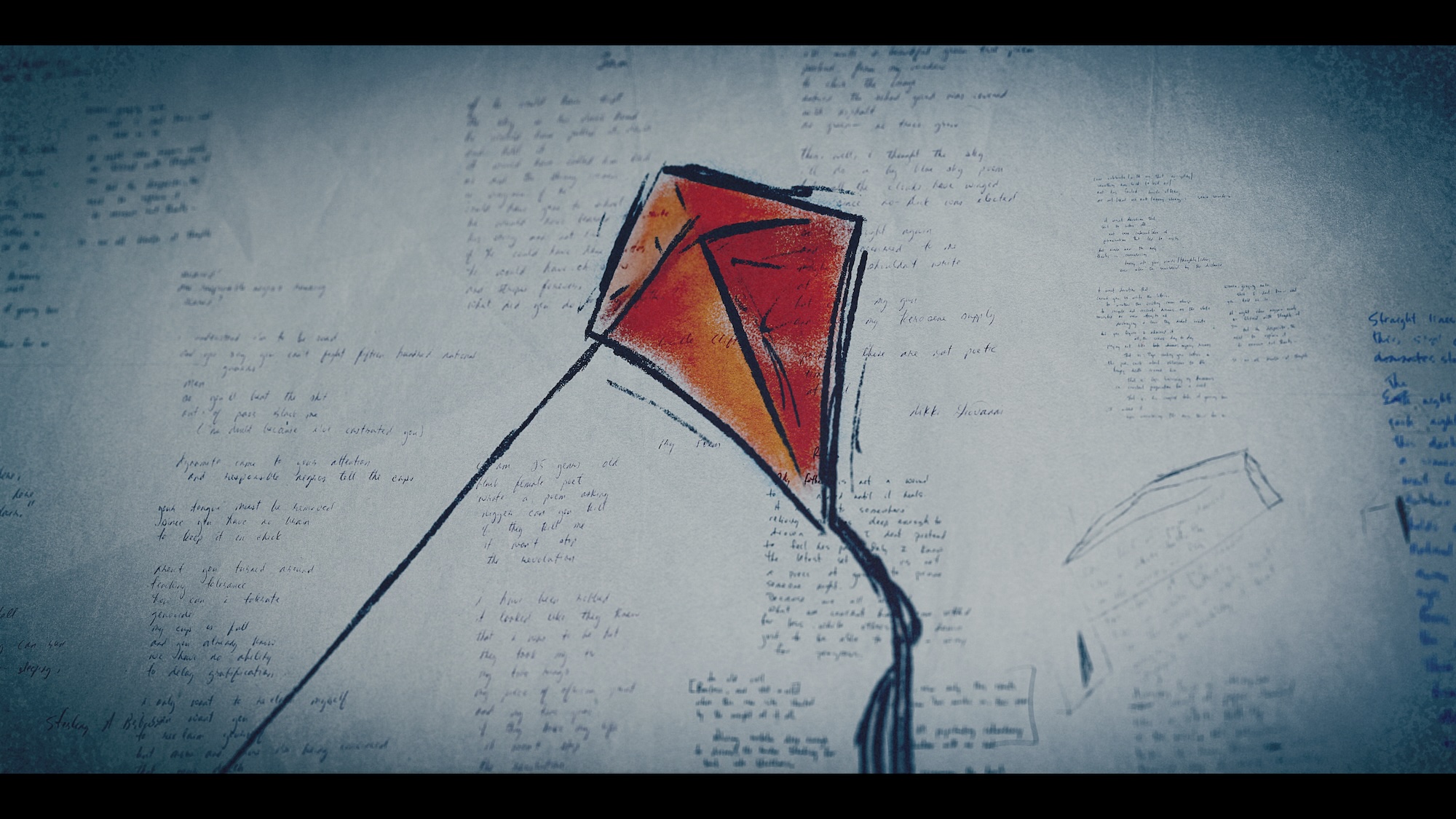
Betts allows himself to be completely transparent when it comes to the highs and lows of his story. It begins with the latter, as he vividly recollects the fateful night in 1996 when his life forever changed. Through mixed media storytelling, the play-by-play is given dimensional emphasis with animation of the events paired with spoken word by actor Brian Tyree Henry, who serves as an EP and narrates excerpts from Betts’ post-prison memoir, A Question of Freedom. It’s all done expertly as Betts, even in reflecting on the past, still feels the pain of a childish choice that in return took away his youth.
In a conversation we had with the film’s star as he made his way through festival screenings of March Forth, he told us exclusively, “One of the things we wanted to do with the film is make clear what the stakes were. A lot of times when you think about incarceration, conversations about violence get ignored, and it makes it difficult to get it to the places where you want to get it to.” Together with the team who helped him put the film together, including co-directors Valerie Hong and Robe Imbriano, he strived to “go there” in giving a platform to a taboo subject. “People don’t struggle with guilt and the desire to be forgiven,” he says of misconceptions to incarceration, going on to add, “they don’t struggle to become better on a regular basis, even if they go through things while trying to figure it all out.”
It’s hard to ignore the timeliness of a documentary like March Forth given the recent Karmelo Anthony murder conviction, which has resulted in America’s latest race debate. “It’s dangerous when we start expecting justice from the court system,” says Betts, adding to his comment, “When the court makes a decision we agree with, then we say it’s giving us justice; when we disagree, we say we have injustice. I think we need to realize that the court doesn’t do that.” He used the film to instead depict those incarceration stories and the lives they’re both living and struggling in, instead of being reduced to catchphrases.


As more attention is brought to the narrative, even beyond its Tribeca debut, there’s a hope that March Forth will further the efforts in reforming the prison system as rehabilitative as opposed to punitive. It doesn’t hurt having a Marvel star like Brian Tyree Henry willing to lend his voice to the movement, and it doesn’t go unnoticed either. Betts speaks highly of his A-List co-star by stating, “Even though he has a lot of physicality to his work as an actor, when you’re doing a voiceover this way you don’t get to actually have your physicality on the stage. He had to be able to convey a wide range of emotions through his voice, and I think he did a fantastic job.”
“This is one of those films that is supposed to make you do all of the things,” Betts added as one final note. He explains further: “I enjoyed listening to people laugh in [the theater], I enjoyed people saying they cried and just all the sides that you feel. What I hope people expect and experience is the range of emotions that you’re supposed to get from dope art.”
Visit Freedom Reads for more information on how Reginald Dwayne Betts is changing lives with prison libraries, then check out SUBJECT MATTER to donate and even host a funded screening for March Forth.