Recognizing Early Signs of Knee Arthritis Matters – Particularly for Black Americans
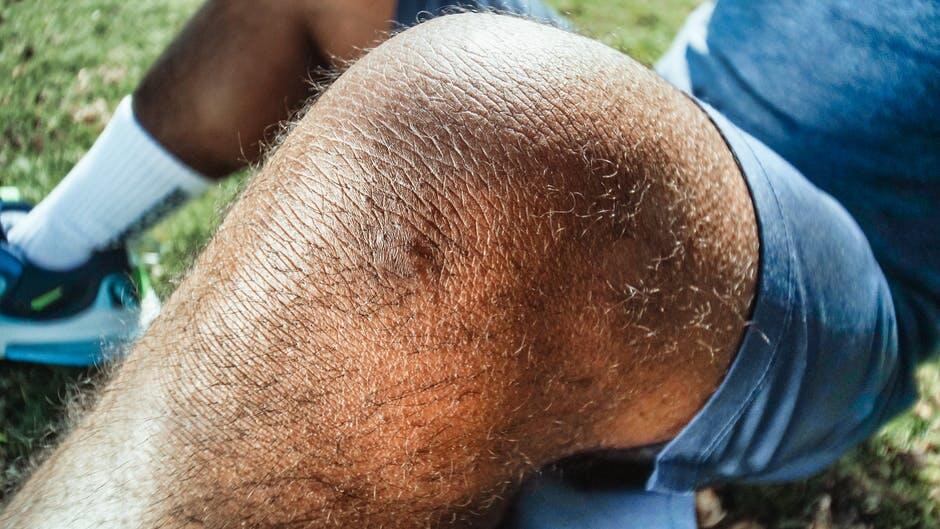
The signs of knee arthritis often appear gradually, which is precisely why so many people dismiss them until the condition has already progressed. Symptoms include pain that follows you down a flight of stairs, a knee that stiffens after sitting through a long meeting, or a joint that swells after a walk you used to handle without issue. These are the early signals that deserve attention, not accommodation.
The WHO notes that approximately 365 million individuals suffer from osteoarthritis of the knee. Catching the condition in its early stages changes what treatment options look like and how much function you can preserve long term.
What Are the First Signs of Arthritis in the Knee?
The earliest signs of knee arthritis tend to be subtle enough that most people rationalize them away for months, sometimes years. Pain that appears after physical activity and fades with rest is one of the most common early indicators; it feels manageable at first, which is exactly what makes it easy to ignore. The problem is that cartilage does not regenerate, so the window for intervention narrows the longer those early signals go unaddressed.
As stated by the Arthritis Foundation, osteoarthritis of the knee progresses through stages. The interventions available in the early stages include:
- Physical therapy
- Targeted exercise
- Weight management
- Anti-inflammatory support
They are far less invasive than what the later stages require. Identifying what you’re experiencing early gives you the widest range of options for slowing progression and maintaining quality of life.
Morning Knee Stiffness as an Early Warning
Morning knee stiffness is one of the earliest and most consistent indicators of developing osteoarthritis. For osteoarthritis specifically, this stiffness typically resolves within 30 minutes of movement; if it lingers significantly longer, that pattern points more toward an inflammatory arthritis type, which warrants its own evaluation. The stiffness itself comes from reduced synovial fluid and cartilage breakdown, both of which cause the joint to feel resistant and achy after a period of rest.
What Does Knee Arthritis Feel Like?
The experience of knee osteoarthritis varies from person to person, but certain patterns appear consistently enough to be recognized. Pain that worsens with activity, gets better with rest, and then returns after prolonged inactivity is the most common description. Swelling around the knee joint, a sensation of warmth, and a feeling that the knee might give way during weight-bearing movements all point toward the same underlying process: joint inflammation and progressive cartilage loss.
Research from the CDC’s journal Preventing Chronic Disease found that Black Americans with knee osteoarthritis report higher levels of pain and disability as opposed to their white counterparts. This disparity reflects a combination of factors, including:
- Healthcare access barriers
- Differences in pain management
- Structural inequities in care
Knowing what the condition feels like and naming it accurately to a provider is a foundation step toward receiving appropriate treatment.
Swelling Around the Knee Joint
Swelling around the knee joint signals that inflammation is active in the synovium, the tissue lining the joint. The joint produces excess fluid in response to cartilage breakdown, which creates visible puffiness and often a feeling of tightness or pressure, particularly after extended activity. Swelling that persists or recurs consistently is a clear reason to pursue a clinical evaluation rather than waiting for it to resolve on its own.
Indications of Knee Osteoarthritis Beyond Pain
The full picture of osteoarthritis of the knee extends beyond pain alone. Symptoms that typically appear as the condition develops include:


- Morning knee stiffness that eases within 30 minutes of moving around
- Persistent swelling or warmth around the knee joint after activity
- Reduced range of motion, making it difficult to fully extend or bend the knee
- A grinding or crunching sensation during movement
- Muscle weakness in the thigh, which often develops as the body compensates for joint instability
- A buckling or giving-way feeling when bearing weight
Why Early Action on Signs of Knee Arthritis Matters More for Black Americans
The disparity in knee osteoarthritis outcomes for Black Americans is not simply a matter of higher prevalence. Research consistently shows that Black patients undergo total knee replacement surgery at lower rates despite comparable or greater disease burden due to discriminatory issues. This structural gap in care means the individual responsibility to recognize symptoms early and seek evaluation promptly carries greater weight within this community.
Self-advocacy in medical settings is part of that equation. Describing symptoms specifically, tracking when pain and stiffness occur, noting how long swelling lasts, and pushing for imaging when soft-tissue complaints are dismissed are all legitimate and necessary steps. Managing symptoms proactively between appointments also matters; arthritis care products online can support the daily management of inflammation, joint comfort, and mobility while you pursue a longer-term care plan with your provider.
Frequently Asked Questions
When Should You See a Doctor About Knee Symptoms?
Seek evaluation if:
- Knee pain persists for more than a few weeks
- Swelling recurs after activity
- Morning stiffness takes longer than 30 minutes to resolve
- The knee begins to feel unstable during everyday movement
Black Americans facing these symptoms should request an X-ray as a baseline, since imaging provides objective information about joint space narrowing and structural changes that physical examination alone can miss.
Can You Slow the Progression of Knee Osteoarthritis Once it Starts?
Yes, though the degree varies by individual. Low-impact exercise that strengthens muscles around the knee, particularly the quadriceps, reduces the mechanical load on the joint.
Weight management, anti-inflammatory nutrition, and targeted physical therapy all contribute to slowing structural progression and reducing symptom severity. The earlier these interventions are introduced, the more functional capacity they protect.
Know the Symptoms of Knee Arthritis
Catching the signs of knee arthritis early is the single most effective thing you can do to protect your long-term mobility. Morning knee stiffness, swelling around the knee joint, pain after activity, and that grinding sensation during movement are all signals worth taking seriously rather than explaining away.
To Black Americans navigating a healthcare system that has historically under-treated this condition in their community, the stakes of early recognition are higher. Pay attention to what your knees are telling you, advocate clearly for imaging and appropriate care, and build a consistent daily management routine that supports joint health.
Keep reading for more health coverage and wellness content built for our community.