
How Michael Jackson Blurred Color Lines on MTV
How Michael Jackson Blurred Color Lines on MTV With ‘Billie Jean’
- MTV initially refused to air Michael Jackson's 'Billie Jean' video due to racial bias.
- CBS threatened to pull all its artists from MTV, forcing the channel to air the video.
- Jackson's music videos expanded the scope of genres on MTV, proving Black artists could achieve mainstream success.
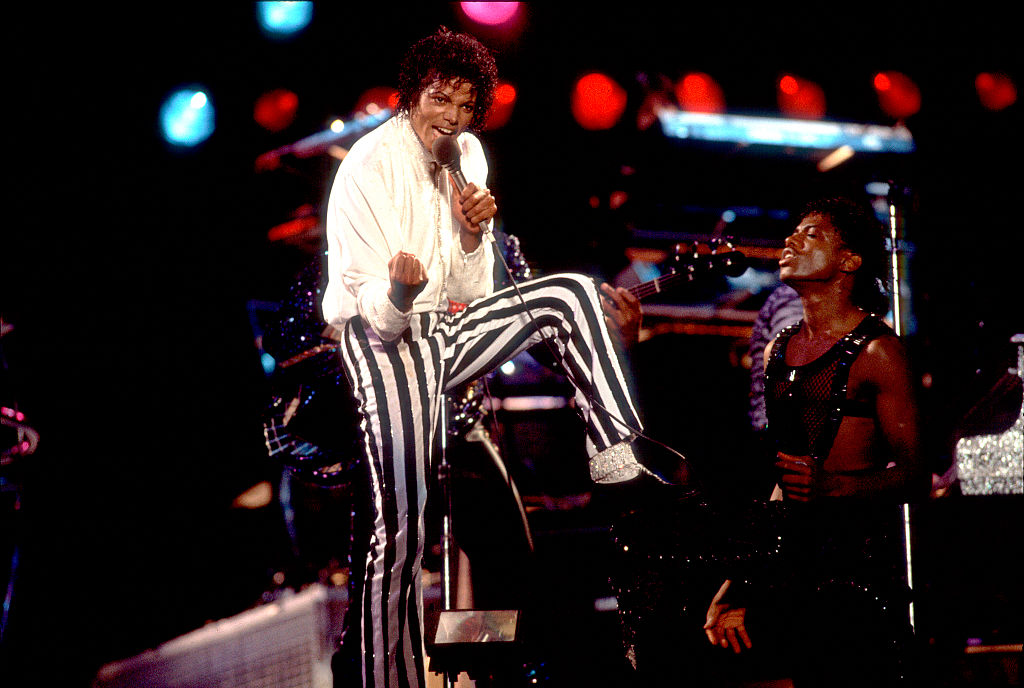
How Michael Jackson Blurred Color Lines on MTV With ‘Billie Jean’
It is not an unknown fact that Michael Jackson reinvented pop music and music videos from what they once were. Yet— the entertainer still had to fight with MTV to get his videos played on their platform.
By now, we all know the story: In 1982, Jackson released Thriller, which reached global acclaim in a short span after its release. “Billie Jean” was released as a single early in 1983, and quickly hit No. 1 on the charts. It topped the charts for seven weeks, and ultimately helped Thriller skyrocket, becoming the best-selling album of all time.
There was no denying Michael Jackson’s enormous impact, especially with the rise of Thriller. However, the music video for the chart-topping single was denied exposure on MTV.
RELATED STORY: MTV Shuts Down After 44 Years: 10 Moments That Defined an Era
RELATED STORY: B-Side Bangers: Michael Jackson
How It All Happened
MTV, which launched in 1981, helped to revolutionize the entertainment industry by broadcasting performers and music videos.
When pitched with the idea of airing the music video for “Billie Jean,” MTV executives believed that Black music didn’t fit in with the primarily rock demographic of the channel’s viewers. At this time, no Black artist had been featured on the television channel.
CBS Records President Walter Yetnikoff, who had worked with Michael and his family throughout his career, was furious about their refusal and threatened to pull all CBS artists from airing on MTV.
“I’m pulling everything we have off the air, all our product. I’m not going to give you any more videos. And I’m going to go public and (expletive) tell them about the fact you don’t want to play music by a black guy,” Yetnikoff said.
MTV executives had faced several claims of racism with its refusal to air other prominent Black musicians at the time, including Rick James.
After Yetnikoff’s threats, MTV executives eventually gave in, and Billie Jean premiered on March 10, 1983. The music video became the first video by a Black artist to receive heavy rotation on the channel and proving that Black artists can command crossover fanbases on the network.
The music video for “Beat It” was released weeks later on March 31, along with the explosive video for “Thriller” later that year in December.
READ MORE BLACK MUSIC MONTH STORIES:
- Labelle Reunites For A ‘Nightbirds’ Tribute In NYC [RECAP]
- Beyoncé’s Top Performances that Shifted the Culture
- The Lasting Impact of Kirk Franklin on Gospel Music
With Jackson utilizing the network to launch his music videos, or short-films as he often called them, it propelled Jackson into a different stratosphere as an artist and gained him the title of the King of Pop. His music videos revolutionized music videos at the time and saved MTV from bankruptcy and financial ruin.
Due to the tenacity of CBS and his team, Jackson helped to blur the color lines on MTV and expanded the scope of genres on the channel, proving that Black artists could achieve mainstream success on television in various genres.
LIKE US ON FACEBOOK. FOLLOW US ON INSTAGRAM & TWITTER. SUBSCRIBE TO OUR YOUTUBE.