Voting Rights, Rising Costs and a Civil Rights Anniversary
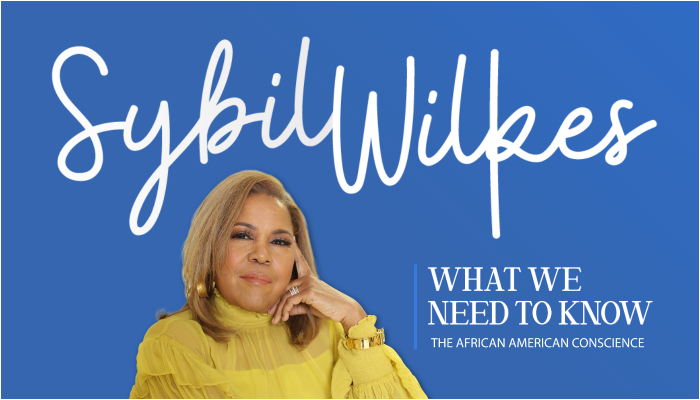
Sybil Wilkes’ ‘What We Need to Know’ Spotlights Voting Rights, Rising Costs and a Painful Civil Rights Anniversary - Page 5
In her latest 'What We Need to Know' segment, Sybil Wilkes shines a light on voting rights, the economic strain faced by many, and a somber anniversary in the fight for civil rights.
Protests in the South spotlight ongoing battles over voting rights and redistricting.
Georgia voters face an important election on May 19, underscoring the power of voter turnout.
Economic pressures and presidential priorities raise concerns about whether everyday burdens are being addressed.
Source: Reach Media / Radio One
Sybil Wilkes’ latest “What We Need to Know” delivered a concise but weighty roundup of national developments touching voting rights, political representation, economic strain and Black history. The segment connected activism in the South and Midwest with concerns over redistricting, reminded Georgia residents of the May 19 Election Day, highlighted President Trump’s latest comments on the cost of living and foreign policy, and marked the anniversary of one of the most damaging Supreme Court rulings in American history. Together, the stories underscored how policy decisions continue to shape Black communities across the country.
Southern Protests Spotlight Voting Rights Battle
In he South, where activists gathered in Selma and Montgomery, Alabama, while others rallied in Savannah, Georgia, as part of the “All Roads Lead to the South” day of action. The protests were aimed at recent rollbacks tied to the Voting Rights Act and came ahead of a June 17 special session in Georgia, where lawmakers are set to formally redraw the state’s congressional maps. The demonstrations reflected a long-standing concern in Black communities that redistricting can weaken voting strength and reduce fair representation. “The demonstration comes ahead of a June 17 special session,” Wilkes said, linking the protests directly to upcoming political decisions with lasting consequences.
Urgency for Georgia Voters Ahead of May 19 Election Day
For Georgia voters, Election Day is Tuesday, May 19. Though brief, the note carried urgency. In a political climate shaped by court fights, legislative changes and organizing on the ground, voter turnout remains one of the clearest tools communities have to protect their interests. For many Black voters, especially in Southern states with a deep civil rights history, showing up at the polls remains both a civic act and a continuation of a larger struggle.
In Missouri, activists gathered at Mill Creek Park in Kansas City to protest a newly upheld congressional map that alters local districts. The rally was also part of the “All Roads Lead to the South” action, signaling that concerns about redistricting extend beyond one region. Wilkes noted that volunteers collected more than 300,000 signatures in an effort to block the map. Even so, organizers warned the new district lines could systematically threaten minority representation. Their message was clear: large-scale public action has taken place, but the fight over political power and fair maps is far from over.
Economic Strain and Presidential Priorities
President Trump said he does not factor in the American cost of living while negotiating with Iran, insisting that preventing nuclear weapons remains his top priority. His remarks came as the conflict’s effects have helped drive the national average price of gas to $4.52 per gallon, according to the segment. For working families already managing high food, housing and transportation costs, the statement is likely to deepen frustration over whether everyday economic burdens are being fully considered at the highest levels of government.
Plessy v. Ferguson: Remembering a Defining Civil Rights Setback
“Black America 250” reflection on May 18, the anniversary of the Supreme Court’s 1896 ruling in Plessy v. Ferguson. Wilkes described the 7-1 decision as a devastating turning point that rejected Homer Plessy’s constitutional challenge and established the “separate but equal” doctrine. That ruling helped clear the path for Jim Crow laws and weakened Reconstruction-era protections for Black Americans for decades. By ending there, Wilkes tied the day’s headlines to a longer truth: battles over rights, dignity and representation are not new, and neither is the determination to confront them.
As Sybil Wilkes reminds us every day: be informed, be empowered.