Motorcycle shipping mistakes that leave riders stranded and bikes damaged
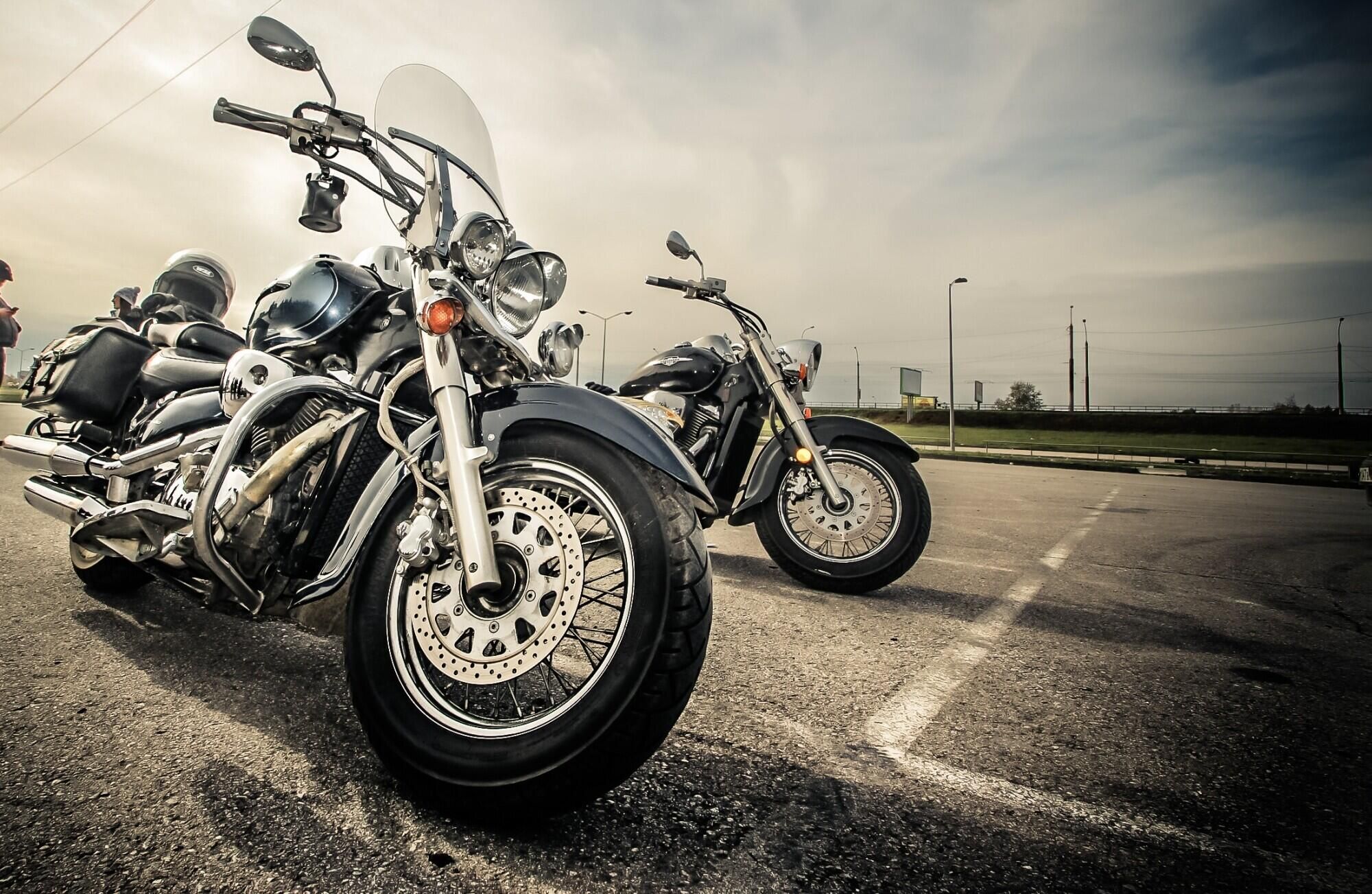
Most motorcycle shipping damage isn’t caused by freak accidents; it’s caused by avoidable mistakes that happen before the carrier ever pulls away from the curb. Riders who’ve been through a bad shipping experience almost always describe the same chain of events: they went with the cheapest quote, skipped the paperwork, and signed a clean delivery report before inspecting the bike. By the time they noticed the damage, their leverage was gone.
If you’re moving a bike across state lines or across the country, what you do before the handoff determines what you get back.
With Black riders in particular, a community with deep roots in motorcycle culture through organizations like the Buffalo Soldiers Motorcycle Club and East Bay Dragons, a bike isn’t just transportation; it’s identity. Protecting that investment during transport means knowing where the process breaks down and why it goes wrong.
What Damages Motorcycles During Shipping?
The most common source of shipping damage isn’t road debris or accidents; it’s improper securing. A motorcycle that isn’t anchored with proper wheel chocks and soft tie-down straps can shift during transit, which means the first pothole on the highway becomes a risk. Motorcycle shipping carriers should use wheel chocks mounted on the trailer floor, with straps across the handlebars or frame, never over soft components like seats, fairings, or mirrors.
When you talk to a carrier before booking, ask them to walk you through their securing process. A qualified company answers that question without hesitation. If a company gets vague when asked about equipment and process, that’s a red flag worth taking seriously.
Open vs. Enclosed Motorcycle Transport
Open vs. enclosed transport is another decision with real consequences. Open transport costs less but exposes your bike to weather, debris, and road grime for the full duration of the trip. Enclosed transport typically costs more but keeps the bike in a sealed environment with no external exposure. For a custom build, vintage bike, or anything with significant value attached to it, enclosed transport is worth the premium.
Documentation Protects You When Carriers Won’t
Before your bike leaves your possession, photograph everything: every panel, every chrome piece, every existing scratch. The Bill of Lading, which the carrier produces at pickup, records the bike’s condition at handover. Read it carefully and add any damage you’ve photographed before signing.
At delivery, inspect the bike against those photos before signing anything. A signature on a clean delivery report is the end of your claim, regardless of what the bike actually looks like. That’s not fine print, it’s the process carriers rely on when disputes arise.
How Much Does it Cost to Ship a Motorcycle?
Motorcycle shipping costs vary based on several factors. They are:
- Distance (longer routes cost more, though cost per mile typically decreases on longer hauls)
- Transport type (open vs. enclosed)
- Bike size and weight (touring models and trikes run higher rates than standard bikes)
- Pickup and delivery location (rural addresses often carry a surcharge)
- Seasonal demand (summer and early fall push rates higher)
Coast-to-Coast Motorcycle Shipping
A standard coast-to-coast open transport shipment generally varies in cost, especially considering open versus enclosed shipping, but any quotes that come in dramatically below market rate deserve scrutiny. Low quotes that don’t hold up or change after pickup are one of the most common complaints in motorcycle transport cost, and they typically come from carriers cutting corners on insurance, equipment, or both.
For anyone moving a motorcycle across state lines, getting quotes from reputable national carriers makes complete sense. Resources for moving a motorcycle interstate can help you compare real options and understand what the price actually covers before you commit.
What Questions Should I Ask a Motorcycle Shipping Company?
Asking the right questions before booking is where most problems get solved before they start. Before handing over any deposit, you can look up a carrier’s FMCSA registration directly through the federal database to confirm they’re legally authorized to operate. That’s a baseline check too many riders skip in the rush to book.
Most Importantly: Ask About Motorcycle Insurance Shipping
Insurance clarity is the question most riders forget. Most carriers include basic coverage in the transport price, but that coverage often comes with deductibles and caps that don’t account for the full value of a custom or high-value bike. Ask the carrier for a copy of their insurance certificate, confirm the coverage limit, and consider purchasing supplemental coverage if the gap is significant.
Frequently Asked Questions
Is Motorcycle Shipping Safe?
When you work with a licensed, reputable carrier and document the bike’s condition thoroughly at pickup, motorcycle shipping is generally safe. The risk increases significantly with unlicensed carriers, low-ball quotes, and riders who don’t inspect the bike before signing the delivery report.
Should I Drain the Gas Tank Before Shipping a Motorcycle?
Many carriers require you to keep the fuel tank at a quarter tank or less before transport. A near-empty tank reduces weight and fire risk during shipping. Confirm the carrier’s specific requirement during booking so you’re not scrambling at pickup.
What Red Flags Should I Watch Out for Before Booking?
Not every carrier operates at the same standard. Watch for these warning signs:
- A carrier that can’t clearly explain how they secure motorcycles during transit
- A quote that changes significantly after the bike is already in their possession
- No verifiable FMCSA registration or DOT number
- Reviews that consistently describe delays, damage disputes, or unresponsive customer service
How to Ship a Motorcycle: Know the Process Before You Hand Over the Keys
Every motorcycle shipping mistake that leaves riders stranded or bikes damaged was preventable. Vet your carrier’s credentials, document the bike thoroughly, understand what the insurance actually covers, and don’t sign anything at delivery until you’ve inspected every panel. The riders who avoid these headaches aren’t lucky; they’re the ones who treated the shipping process with the same seriousness they bring to the motorcycle road trip itself.
Your bike represents real money, real culture, and real pride. Protect it like so. If you’re interested in more consumer guidance, motorcycle lifestyle content, and community coverage worth following, explore more articles on this site.