‘Michael’ Reignites Debate Over Black Noses And What's Beautiful
‘Michael’ Reignites The Complexity Of The 'Afrocentric' Nose — Why Black Women Are Still Under The Knife Of Eurocentric Beauty Standards [Op-Ed] - Page 2
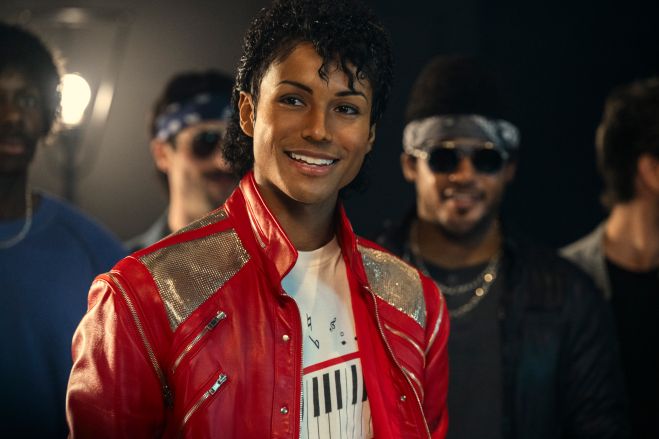
The highly anticipated biopic Michael finally hits theaters today, April 24. When the teaser dropped last November, fans and critics alike immediately reacted to the music, choreography, cast, and which parts of his labyrinthine life would be depicted. But in addition to all the fanfare, there was a lot of chatter around “the nose.” The infamous nose. And just like that, once again, Michael Jackson’s nose was under public scrutiny.
In the film, Michael’s real-life nephew Jaafar Jackson takes on the role of the King of Pop, wearing a prosthetic nose during his depiction of Michael’s early years. And most people agreed the nose was not good.
RELATED CONTENT: Colman Domingo, Nia Long & Juliano Valdi Break Down The Magic Behind ‘Michael’ With MadameNoire’s Managing Editor Danica Daniel
“That nose is my ONLY problem, honestly he walks (Moon), talks and sounds like Michael Jackson—except that nose,” one person commented.
“I think they overdid the prosthetics here but i kinda forgot how powerful michael jackson’s nose was before the nose job,” wrote another.
The comment that resonated with me the most said, “This being the exact reason why Michael was so insecure of his looks and wanting to change his appearance [broken heart emoji].”
To which another person replied, “Ikr? Like the irony is, he’d be horrified that people are scrutinizing his appearance and features this much.”
Michael was very open about being deeply self-conscious about his nose before undergoing his first nose surgery in 1979, after he broke it in a fall off stage. His insecurities stemmed, in part, from being mercilessly teased and bullied about his nose by his own father, Joe Jackson, who Michael alleged often called him “big nose” or compared their facial features based on proximity to whiteness.
“You are so Black. You don’t look like my child. Your nose is so big,” Michael recalled his father saying to him during his adolescent years. “You didn’t get it from me.”
The emotional abuse the “Childhood” singer alleges he endured from his father over his nose, combined with his claims of brutal physical abuse, it’s no wonder that throughout his tortured life, Michael underwent several extreme rhinoplasties in pursuit of a nose less “big” and “Black.”
Who’s Afraid Of The Big Black Nose?
Michael was a victim of featurism, which is a specific form of discrimination based on how closely a person’s physical features align with European or Eurocentric beauty standards, e.g., lighter skin and eye color; straighter, longer hair; smaller noses; and thinner lips. Historically, these features are considered more attractive or acceptable than those that diverge from this criterion. Featurism often overlaps with racism, colorism, and texturism, disproportionately affecting people of African descent because our physical appearance differs the most from that of Europeans.
Negative depictions and connotations of the so-called stereotypical “Afrocentric” or “African” nose—described as broad, big, bulbous, flat, and/or having wide, large, or flared nostrils—are often incorrectly associated with negative character traits, such as innate tendencies toward criminality, violence, aggression, and likening to animals. But above all, Black noses are generally considered “inferior” and “less attractive” by Western beauty standards, which prefer thin, narrow, small-sized noses.
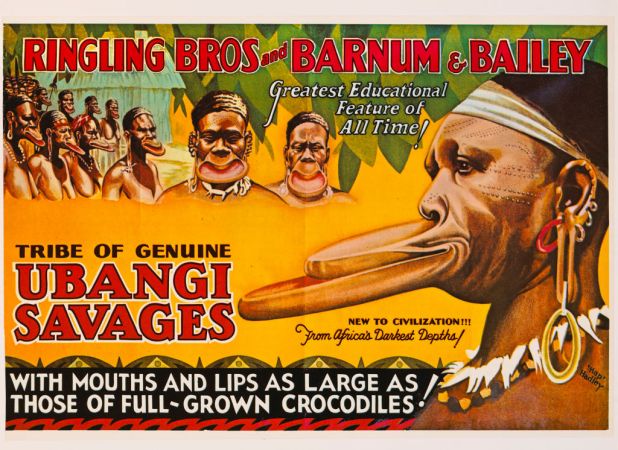
The irony and absurdity of the notion of an “African” nose is that the continent of Africa has the most genetic variation and physically diverse populations in the world. In addition to genetic mixing and the impact of historical migration patterns, African DNA runs the gamut of all extremes and everything in between.
Still, despite the range of nose sizes and shapes among people of African descent on the continent and throughout the diaspora, for many Black folks, there’s a distinct aversion to noses considered too big, wide, and/or flat.
The Rise Of Ethnic Rhinoplasty
A few years ago, I started noticing that more Black women’s noses appeared to be shrinking, narrowing, and getting straighter and pointier. Yes, in some cases, it’s makeup contouring, filters, or lighting. But I’m referring to more than fake or temporary techniques to alter the appearance of the nose. What I’ve observed is the rise of Black women undergoing surgery or getting procedures to permanently change their actual noses.
And it’s not just the rich and famous, such as confirmed cases like Nene Leakes or Teyana Taylor, but regular folks, too. Black women around the world are travelling to Turkey, South Korea, or the U.S. for the best plastic surgeons to perform “ethnic rhinoplasty.” Then taking to social media to show off the results of their “new nose.”
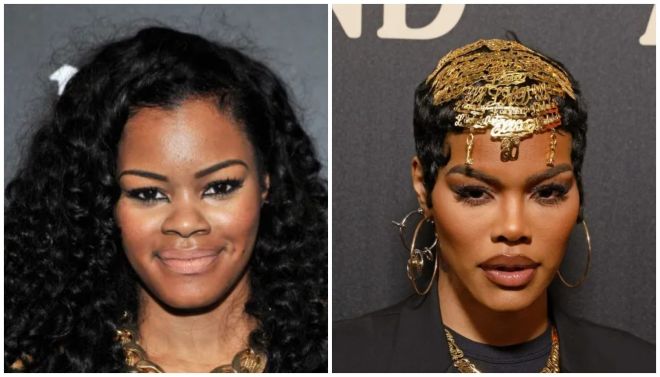
Sometimes the work is subtle and complements the rest of the face flawlessly. Other times, the change is drastic and looks obviously unnatural. But regardless of the physical results, my concern is the emotional impact of widespread ethnic rhinoplasty on Black women, their families, and the community at large because, ultimately, it still pedestalizes Eurocentric beauty standards above our own.
Ethnic rhinoplasty is essentially a fancy term for a “good” nose job performed on a non-white person. It’s defined as a specialized nose reshaping procedure “designed to enhance the appearance of the nose while preserving the patient’s unique cultural and ethnic identity. Unlike traditional rhinoplasty, which has historically focused on achieving Eurocentric ideals, ethnic rhinoplasty emphasizes harmony with the patient’s facial features, skin type, and bone structure,” according to Aestira Plastic Surgery.
Ethnic rhinoplasty became more popular and necessary when surgeons realized the European “one-size-fits-all” techniques used on white people often resulted in “racial incongruity” when used on non-white patients. This occurs when there’s a jarring distinction between the racial identities of a person’s facial features. For example, the very Caucasian nose that Michael Jackson eventually ended up with did not match the rest of his Afrocentric features.
For a long time, the fear of ending up with a “Jackson nose,” i.e., “racial incongruity,” discouraged most Black people who were self-conscious about their nose and contemplating surgery from getting rhinoplasty. However, now that more plastic surgeons have familiarized themselves with the idiosyncrasies of African noses and facial features, ethnic patients are the fastest-growing demographic for cosmetic surgery, with African Americans accounting for 7% in the U.S. In fact, since 2000, the number of ethnic rhinoplasty procedures has more than doubled, according to the National Library of Medicine.
Some of the most common ethnic rhinoplasty procedures among Black women include cartilage grafting, nostril narrowing or reduction, bridge definition, and tip sculpting and refinement.
“Media exposure plays a significant role in shaping societal attitudes,” explains Aestira. “Platforms like Instagram and Snapchat foster an environment where appearance concerns are amplified, encouraging people to consider cosmetic improvements.”
The rise of cosmetic surgery across all ethnic groups not only reflects more accessibility, but more importantly, growing social acceptance toward artificial aesthetic enhancement.
The “Whoville Nose” Is The “It Nose”
Black people getting nose jobs is certainly nothing new. But it’s the present-day cavalier and short-sighted attitude around it that weighs on my spirit.
On social media, a lot of Black women depict their ethnic rhinoplasty experiences like any other shallow fad—something superficial to be celebrated and flaunted for likes with no meaningful discourse on the underlying issues that influenced the decision or the long-term consequences of altering such a defining facial feature. No one seems to be thinking about or caring about the complex ways in which Black noses intersect with our notions of beauty, identity, and ancestry.
Right now, the “it nose” (betcha never thought that would be a thing) among Black females is the “Whoville nose,” which features a highly upturned, button-like nasal tip that resembles the noses of the Whoville characters from Dr. Seuss’ classic children’s book How the Grinch Stole Christmas!
Real-life examples of people with noses comparable to the “Whoville nose” are actresses Taylor Momsen, who played the character Cindy Lou Who, Scarlett Johansson, and Jennie Garth, i.e., white women. And that’s because this nose shape is more common among Caucasians.
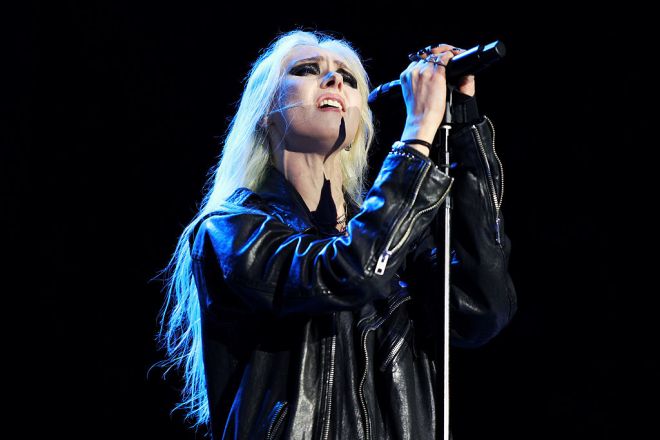
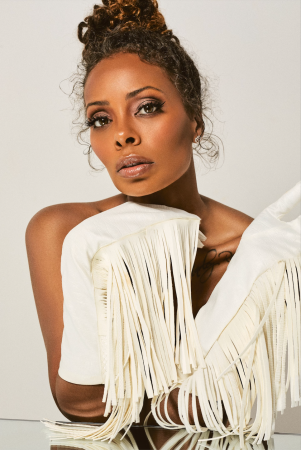
Still, some Black women naturally have noses similar to this, like model and actress Eva Marcille, entrepreneur-turned spoken word artist Angela Simmons, and singer Kelis. But, again, because their noses are natural, they complement the rest of their facial features, as opposed to the many Black women who are permanently altering their faces following a cartoonish nose trend.
More Than Skin Deep
I don’t think it’s a coincidence that this small, upturned nose is popular among Black females. It’s quite literally the opposite of a stereotypical Black nose, which leads me to believe the rise of ethnic rhinoplasty among Black women is more than just a contemporary trend driven by social media and vanity. Just as it was for Michael, I suspect that for a lot of Black women the decision to get a nose job is actually tied to much deeper internal identity issues and unresolved past traumas.
For example, last September, legendary singer Patti LaBelle opened up about her experience with rhinoplasty on The Breakfast Club. The 81-year-old got emotional as she said she “never” thought she would have staying power in the music industry, “because I had an issue also with my being a Black woman with a big nose.”
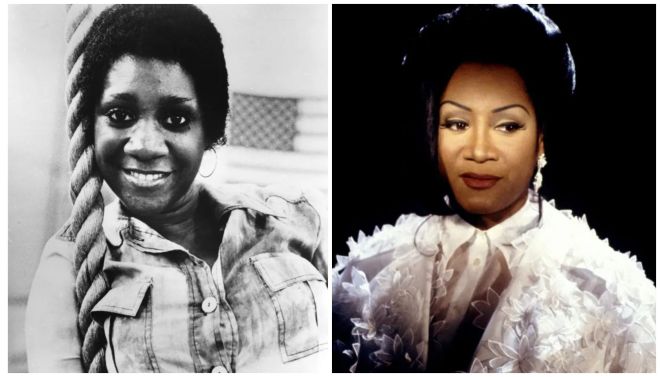
She described her “new nose” as “more pleasant to some people. I mean, it was fine with me.” But was it really? Because she still opted for rhinoplasty.
Similar to Michael, her motivation was also rooted in insecurity and the powerful impact of other people’s criticisms. LaBelle told People, she felt pressured early in her career by a white manager, whom she said told her “mean” things about her appearance: “He said so many things to me, he was just mean.”
Family Ties Or Severed
Not only are Black people subjected to featurism in the media, but we also often experience it at home and within our own families. This is because we inherit our physical features from our family and ancestral DNA. We can also pass down our looks to our offspring, and there’s nothing any of us can do to predict or stop genetics.
Truthfully and thankfully, I don’t personally understand what it’s like to grow up in an environment or family where I was criticized about my facial features, nor have I ever wanted my children not to look like me. That’s not narcissism. It’s human nature. However, I fully recognize that for some Black people, the inescapable reality of having inherited and the possibility of passing down features they deem to be unattractive or too “African” by Eurocentric beauty standards can be traumatic.
So, what better way to try to quell those insecurities than to get a rhinoplasty to make your nose “smaller and more narrow” because you think it’s “too broad and flat,” like the late singer Natalie Cole. The daughter of Jazz musician Nat King Cole is a perfect example of someone who struggled with inheriting her father’s distinctive nose.
In her book, Angel on My Shoulder: An Autobiography, Cole discusses how colorism, featurism, and genetic inheritance impacted her upbringing, ultimately influencing her decision to get a nose job. She explained that her maternal grandmother didn’t want her light-skinned mother—“a real important prize”—“to get involved with anyone with too many Black characteristics, because then your children would look funny.”
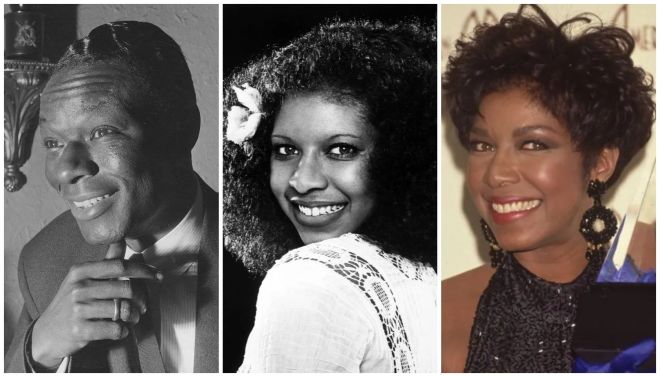
Cole chose to go under the knife, but the surgeon, an avid fan of her dad’s, refused to give her the nose she requested. He only made subtle changes because he said it was her destiny to look like her father.
With the current ubiquity of ethnic rhinoplasty, I often wonder how many Black women are trying to distance themselves from their relatives and pasts in the same way as Natalie Cole.
And even if that is not the intention, it is the reality because when you permanently change your nose or any other part of your face, you lessen your likeness to those that came before you and to subsequent generations.
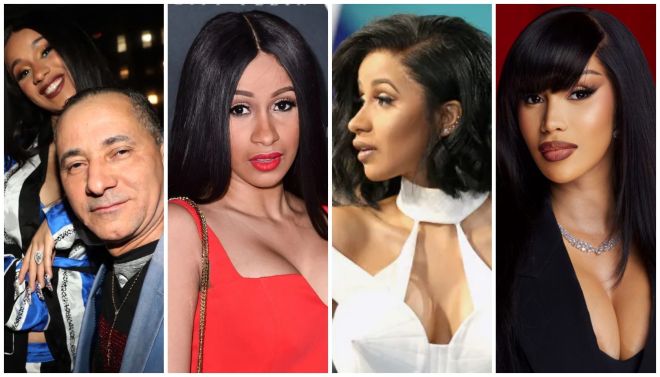
Case in point: Cardi B. The Bronx-born rapper was born to a Trinidadian mother and a Dominican father. Due to her mixed ethnicity and racial composition, Cardi has admitted that she previously lacked the knowledge and language to properly acknowledge and embrace her Afro-Latin roots. But now she identifies as “Afro-Caribbean.” She even made the distinction during her 2025 civil assault lawsuit, clarifying on the stand that she does not consider herself “African American.”
I always knew that the Am I The Drama? artist had her father’s nose, but I didn’t know that he got it from his mother. A few months ago, I came across a photo of Cardi B’s paternal grandmother online, and my exact words were, “Oh! She used to look like her grandma.” Before the rhinoplasty, before the lip injections, before the upward slanting of the eyes, Cardi’s entire face looked just like her grandmother’s. But now, because of all the work she’s done to her face, the resemblance is scant.
Perhaps it doesn’t matter to some people, but I take great pride in knowing that I inherited my maternal grandmother’s well-defined chin, just like the rest of my cousins, and that I passed it down to my daughter. I love having my maternal grandfather’s “button nose,” not necessarily because of the shape itself, but because I marvel at the power of genetics and feel good knowing that my familial and ancestral history is alive in me.
I’m in awe of the resemblance between relatives like actress Sanaa Lathan and her mother Eleanor McCoy; or how the late Bobbi Kristina Brown inherited her father, R&B legend Bobby Brown’s gapped two front teeth; or how my mom and sister both played with their belly buttons while they sucked their fingers as babies and toddlers. In fact, they both even had a quirky kink for rubbing their navels on the cold of the fridge!
So it’s not just physical traits that are preserved and passed down. I also consider the intellectual, emotional, and spiritual qualities—both good and bad—that we inherit from our immediate and distant relatives.
Bravery. Resilience. Tenacity. Wisedom. Gumption. Defiance. Hot-tempered. Lazy. Greedy. Whatever those traits may be, they exist within us. And because we can’t physically identify them, there’s no option to make them disappear with surgery. We have no choice but to embrace those qualities or come to peace with our faults.
I don’t know what the fissure between people’s new faces no longer looking like their relatives or racial identity means, or how this phenomenon will manifest within families and society moving forward. But I know it’s an issue that will need to be addressed as more Black people alter their faces.
I’m not sure how a parent can convincingly explain to their child that the same nose they changed on themselves is beautiful on their son or daughter. Or how you teach a child that the kid of another race in their class who teased them about their “big Black nose” or “nappy” hair is wrong when you’ve taken steps to erase your ethnic and racial footprint.
I understand that for many people, the decision to get a nose job is “purely aesthetic,” and they only did it to “feel better about themselves.” But that’s my thing. When did Black people, in my opinion, the most confident and real people ever, get so uncomfortable with discomfort and obsessed with perfection? What happened to that Notorious B.I.G. “Heart throb, never, Black and ugly as ever. However…” type of self-acceptance?
As a culture, we’ve got to get back to loving ourselves just as we are, despite our insecurities and flaws. And even when that is not possible, we need to understand that it’s OK not to be OK. Otherwise, we are going to have to deal with a lot more instances like the one below.
As a woman named Ja’Niyah, who took to Instagram to show off her Whoville nose, said, “Ladies, be mindful of when you get surgery because your kids will have your original features.” Her response to her son having her “old nose”? “Not my problem. That’s his face.”
His face, yes.
But the “problem”?
No. It’s his. It’s hers. It’s all of ours.
And that is the problem.
RELATED CONTENT: I Have A Nightmare—Martin Luther King Jr. Is Rolling Over In His Grave On Trump’s 2nd Inauguration Day [Op-Ed]
‘Michael’ Reignites The Complexity Of The 'Afrocentric' Nose — Why Black Women Are Still Under The Knife Of Eurocentric Beauty Standards [Op-Ed] - Page 2 was originally published on madamenoire.com