Movement For Black Lives Project Aims To Build Governing Power
New Movement For Black Lives Project Aims To Build Governing Power
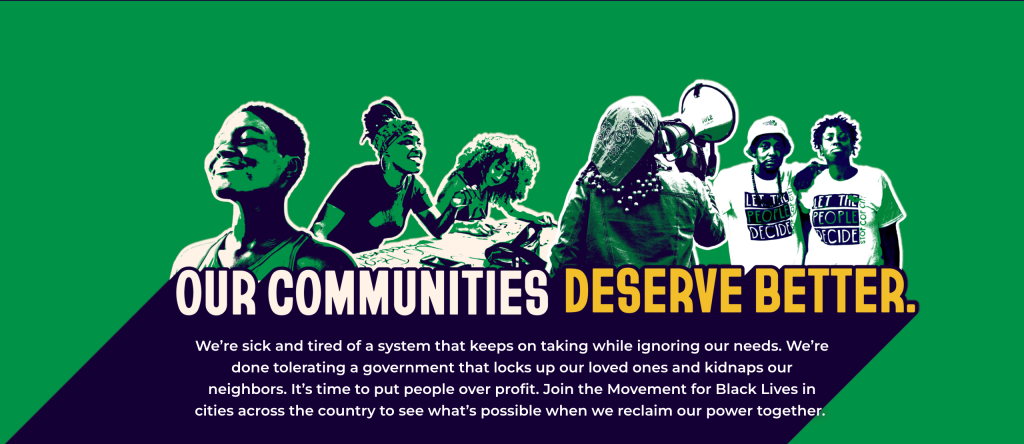
While Sunday’s election in Hungary struck a decisive blow to the far-right, the Movement for Black Lives has been building with communities on a new effort to challenge political power at all levels. Last month, the Movement for Black Lives Action Fund launched the People’s Assembly Project in Atlanta as a part of their ongoing commitment to building governing power.
Co-led with Black Lives Matter-Los Angeles, the next convening will build local organizing for a people’s budget that invests residents’ tax dollars in ways that align with their needs and values. According to organizers, communities “deserve investments in what actually makes our neighborhoods safe, like affordable housing, good jobs, fire prevention & protection, and community support programs.”
The Los Angeles event will take place this Thursday, April 16, at 7 p.m. PT.
Following the first stop on the People’s Assembly Project in Atlanta, the upcoming event provides space for residents and impacted communities to make a plan that works for the people and to exercise their collective power. Future assemblies have been scheduled for Chicago and North Carolina.
Rukia Lumumba, M4BL’s Director of Electoral Justice, told NewsOne that adopting a model of people’s assemblies “creates a pathway for everyday people, especially working-class Black and Brown communities, to move from being governed to governing ourselves.”
It also reflects the organization’s broader co-governance program, shifting the focus from the traditional “any Blue will do” approach to building governing power for our people.
According to Lumumba, M4BL’s People’s Assembly Project differs from traditional political gatherings and meetings because it provides durable infrastructure for community-directed engagement and governance. It’s about making space for community-led decision-making and accountability determinations.
Mary Hooks, director of M4BL’s Innovations Lab, shared a few reflections with NewsOne outside of the Atlanta assembly last month. She reflected on how communities have been organizing to stand up against government repression.
“No politician said this is our plan,” Hooks said. “The people planned for themselves. The people went out into the streets.”
Internationally known for her organizing, including the Atlanta People’s Campaign and the Black Mama’s Bailout, Hooks emphasized the importance of reaffirming community relationships.
“Part of what the PMA offers is the ability for everyday people to look each other in the eye and be like I see you, I hear your shared struggle,” Hooks said. “I also see your courage and your conviction about what you want to do about it.”
Being seen and heard can go a long way, but it can also help us find a common thread to build on and organize around. For Hooks, people need to recognize their collective power and create “our own governance” when elected officials at various levels fail to show up.
“They ain’t off the hook because we’re still paying our money to these cats,” she said. “But we know the basis of our survival starts with us being in relationship to each other and doing shared work together, and then, you know, folks, I believe will be even more ready to confront our opposition.”
Black communities have been hit hard by rising costs, unemployment, and extremist attempts to undo our political power at all levels. While these are not new challenges facing our communities, there’s momentum and a shift that signal an opportunity to rethink how people engage with power and politics.
While the first in the People’s Assembly Project lineup, the March assembly was the third held by the Atlanta People’s Campaign. Organizer JaMae Rooks said the convenings were a part of the commitment to the community after the City of Atlanta squashed the Stop Cop City referendum process.
“Just because they tell you your voice doesn’t matter,” she said. “Doesn’t mean it doesn’t matter. They wouldn’t tell you something didn’t matter if they didn’t understand the power that you hold as an individual person.”
Rooks saw the people’s assembly process as a way for individuals to come together and unite in their power. She said that united people form a “mighty fist” that can strike a blow at the systems that hold us back.
“I tried to do it your way, now I’m doing it my way,” Rooks said. “This is why people’s movement assemblies are so important. We’re building community and galvanizing people and building people power, which we know will shift these needles, so these political needles.”
The M4BL organizing model also connects mutual aid and direct service to long-term electoral engagement. It’s an approach that understands that people show up as their full, complete selves. People should not be expected to set aside their personal needs and struggles because of an organization, Party, or candidate’s political agenda.
In addition to the scheduled stops on the People’s Assembly Project tour, Lumumba also mentioned that a group of faith-based organizations was being trained on the model to take back to their own communities. The collective impact of these convenings can offer communities a space to be heard and to shape the agenda.
Also, events will provide resources like childcare and the option to attend virtually, so people can show up as needed.
“History is shaped when the right people are in the right place at the right time,” Lumumba said. “With assemblies, we can ensure that the moment belongs to the people.”
SEE ALSO:
Movement For Black Lives Creator Academy Offers Organizing Online
Lessons From North Carolina: A Canary In The Democracy Coal Mine
Montgomery Bus Boycott Offers Lessons In The Power Of Organized People
New Movement For Black Lives Project Aims To Build Governing Power was originally published on newsone.com