Florida Vs. The Rooney Rule: Impact On Black NFL Coaches
Florida Vs. The Rooney Rule: What It Means For Black NFL Coaches
- The Rooney Rule aims to increase diversity in NFL coaching and executive hires, but its effectiveness is debated.
- Florida claims the rule violates state civil rights law, but supporters see it as a check against exclusionary hiring practices.
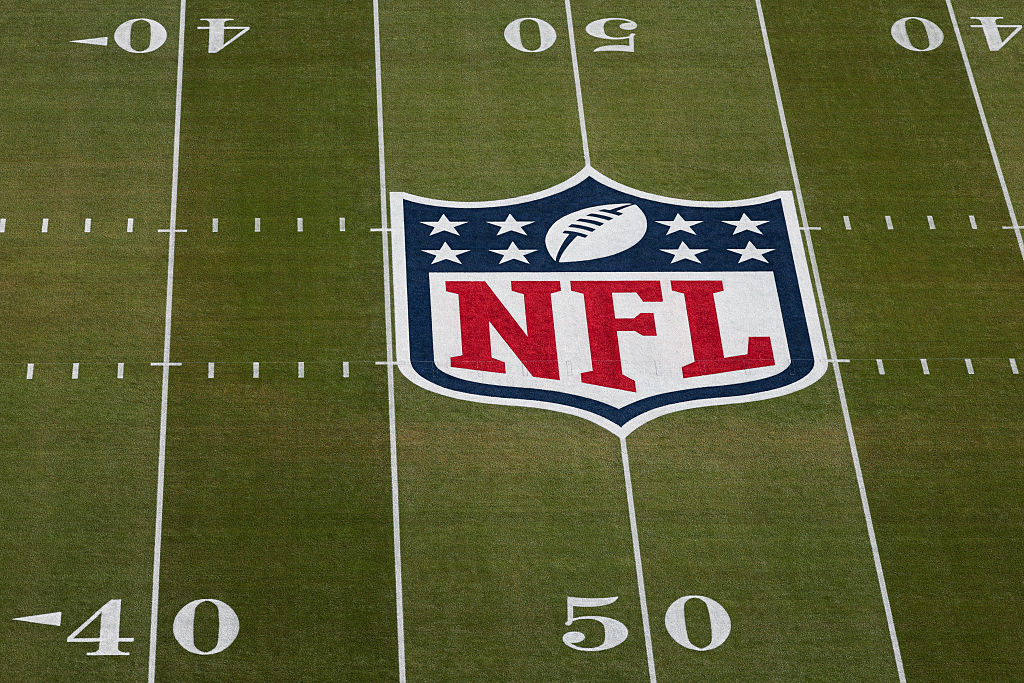
Florida just picked a fight with one of the NFL’s biggest diversity policies, and at the center of it is a question that goes way beyond football. Is the Rooney Rule an overdue guardrail against old-school exclusion, or is it, like Florida’s attorney general now claims, unlawful discrimination? On March 25, Florida Attorney General James Uthmeier sent a letter to Commissioner Roger Goodell demanding that the league stop enforcing the Rooney Rule and related hiring policies in Florida by May 1, arguing that they violate state civil rights law. As of now, the rule has not been suspended, the NFL has not announced any change, and the situation is basically a fresh political and legal pressure campaign aimed at one of the few leaguewide policies meant to keep Black coaches and executives from getting boxed out of the room before a real search even starts.
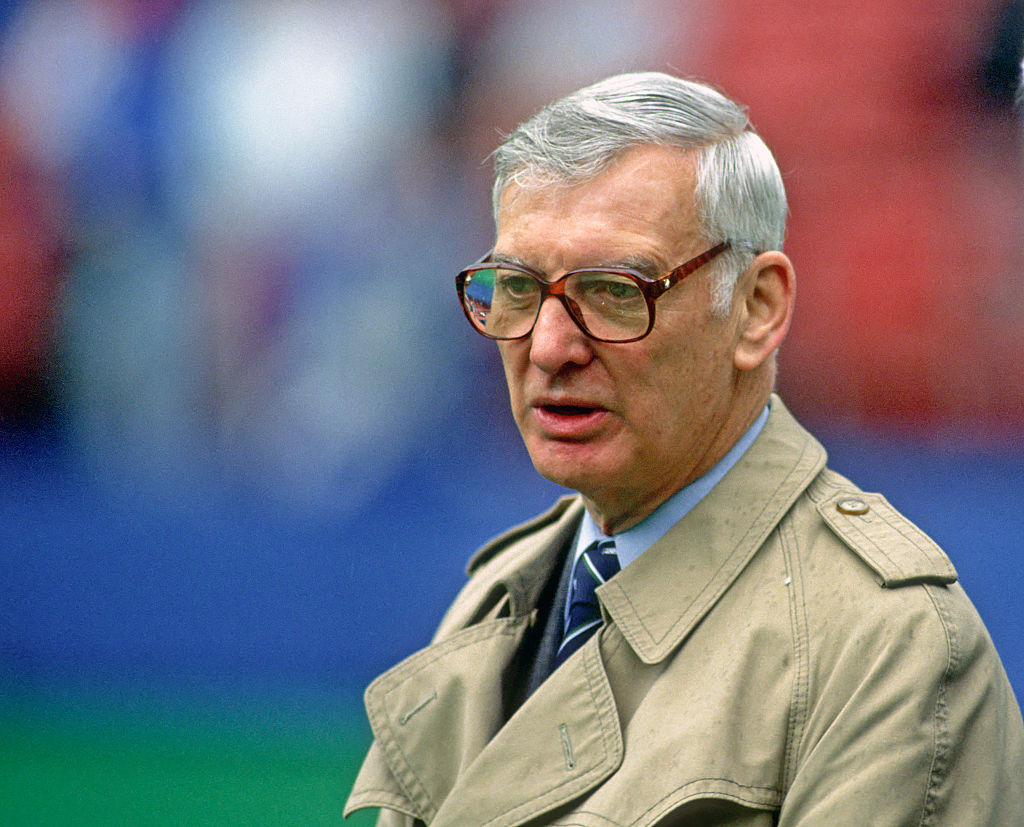
To understand why this matters, you have to go back to why the Rooney Rule exists in the first place. The NFL adopted it in 2003 after years of criticism over how few minorities were getting real shots at head coaching jobs, even when plenty of Black assistants were clearly qualified. Named after late Steelers owner Dan Rooney, the rule began as a requirement that teams interview diverse candidates for head-coach openings before making a hire. Over time, it expanded to cover general manager, coordinator, quarterback coach, and senior executive jobs, and the league now says the policy is meant to create real opportunity and build a deeper pipeline of leadership talent across the sport. The key point, though, is that the Rooney Rule does not force teams to hire a Black coach; it requires them to interview diverse candidates rather than relying on the same tight, familiar circles over and over again.
And amid all the noise around it, the rule’s existence is also proof that the problem never fully went away. Even with the Rooney Rule in place for more than two decades, Goodell said in February that the league still has “more work to do” on minority hiring. After the most recent hiring cycle, the NFL was heading into the 2026 season with only three Black head coaches, and none of the 10 head coaching openings this cycle went to a Black candidate. That matters because it undercuts the idea that Black coaches are somehow getting special treatment. If anything, the numbers suggest the exact opposite: even with a rule designed to open the door, the door still is not swinging wide enough.
So when Florida says the Rooney Rule should be suspended, what it is really arguing is that requiring teams to consider race and sex in the interview process crosses a legal line. Uthmeier’s letter says the policy and related initiatives amount to race- and sex-based hiring practices, and he points not only to interview requirements but also to incentives for teams to develop minority coaches and executives, as well as other league diversity programs. Supporters of the rule see it very differently: not as a quota, but as a check against a hiring culture that has long rewarded familiarity, insider networks, and recycled names over equally or more qualified Black candidates. That is why critics of Florida’s push are likely to view this less as a defense of fairness and more as an attack on one of the few mechanisms that even tries to make the process fair in the first place.
In the end, this fight is not just about whether the NFL has to tweak a policy in one state. It is about what happens when one of the country’s biggest sports leagues is told to back away from even modest efforts to widen access at the top. The Rooney Rule has never been a magic fix, and the NFL’s own numbers prove that. But stripping it away would not create a colorblind meritocracy; it would risk sending the league right back toward a system where Black coaches can be good enough to build contenders, develop quarterbacks, and carry franchises, but still not always good enough to get the interview that leads to the big chair. And that is exactly why this Florida vs. Rooney Rule battle hits bigger than sports: because for Black coaches, “just get in the room” is still a fight in 2026.
RELATED: Here Are Some NFL Combine Standouts To Keep An Eye On For The Draft
Florida Vs. The Rooney Rule: What It Means For Black NFL Coaches was originally published on cassiuslife.com