How modern technology is providing deeper health insights than ever before
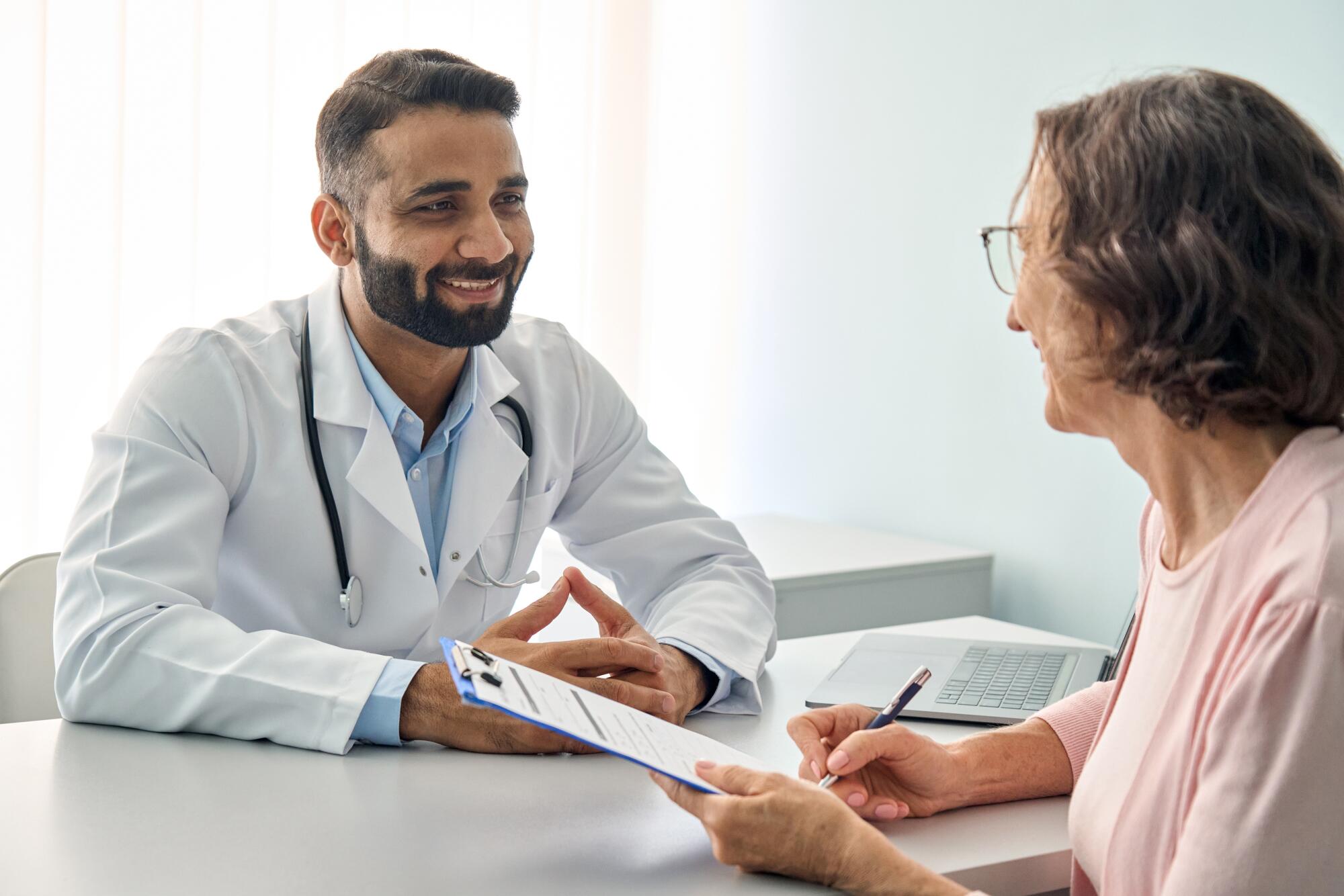
Health insights help patients optimize their healthcare strategies through informed decisions based on data-driven analytics, expert research, wellness trends, family history, and publicly available devices. Thanks to more personalized data and wellness advice, along with the availability of clinical advancements in specialties from neurology to mental health being readily available online, people don’t need to be doctors to be attuned with global and individual health. Rapidly increasing advances in technology allow the average person to access this information with a simple tap or by slipping a band on their arm.
According to an NIH research study, taking 8,000 daily steps was associated with a 50% lower risk of dying from any cause. Count the steps to better health with a phone app or a standalone wearable device band. Use preventative screenings, like DNA reports, to see how your family history may impact specific disease onset.
These insights provide global health data related to disease, mortality rates, new treatments, and leading health indicators (LIHs) objectives that address major public health issues. Understanding these health markers and comparing them to data from your personal device, targeted screening, and remote house calls can pave the way to a healthier, vibrant, and longer life.
How Does Technology Make Access to Health Insights Easier?
A good diet, regular movement, and quality REM sleep are the basics of good health. Get more personalized guidance for lifestyle adjustments or treatments you need with wearable devices, telehealth appointments, and faster diagnosis led by AI.
Wearables
A smartwatch isn’t just a high-tech fashion trend, but a way to track continuous data on:
- Heart rate
- Sleep patterns
- Blood oxygen levels
Doing so allows one to understand early detection for sleep apnea as well as cardiac issues.
If a watch isn’t your thing, buy a clip-on device, glasses, headsets, or even smart jewelry. According to UCLA Health, as many as 20% of Americans use wearables to help track their overall health and fitness. These devices encourage people to increase their personal activity by monitoring steps, logging meals and hydration, monitoring resting heart rate, and tracking blood pressure.
Some can even detect geographic risks outside. Medical alert smartwatches are ideal for seniors, as they can encourage safe mobility, include safety alerts, and provide GPS location.
Machine Learning
Advances in machine learning now provide medical professionals with better and faster ways to analyze:
- Medical imaging
- Lab tests
- Patient records
Its better accuracy can make it easier to provide earlier detection of diseases.
Telehealth Services
The onset of COVID-19 forced people to stay home but also accelerated the use of telehealth, as Shaver’s 2022 study for Elsevier noted. Now, health tips and house calls can happen onscreen as online coaching prepares patients for surgery, and some mental health care sessions can also take place. Patients may upload images of rashes, lesions, and other skin conditions for quick dermatology insight instead of an in-office visit.
With remote patient monitoring, there is also less need for in-person visits after surgery. Since a doctor can monitor blood pressure, sugar levels, and heart rate with remote monitoring devices, the option can help manage chronic care patients and allow people to go home faster after surgery.
Personalized Medicine
More personalized medicine can analyze your actual genetic makeup to identify specific disease risks and use targeted solutions. This approach considers a patient’s overall lifestyle, environmental conditions, behavioral traits, and specific genetic makeup to not only find how susceptible one may be to certain illnesses, but also which treatments and drugs are more or less receptive as well.
A range of biomedical tests, like DNA sequencing, imaging procedures, and wireless health monitoring devices, help provide the data.
Why Should I Consider a DNA Report?
While DNA enables people to have an Alex Haley-style family tree documentation, it can also answer health concerns. An appointment at CircleDNA can help you learn more about genetic conditions you’re a carrier of, how your body processes:
- Certain medications
- Your stress tolerance profile
- Nutrition plans tailored to your DNA
Learning about such conditions can guide lifestyle changes and monitoring that help with cancer prevention and other ailments.
Frequently Asked Questions
How Does Technology Help with Healthcare?
Healthcare technology is seen throughout various aspects of its infrastructure, from completing paperwork to surgery and aftercare. This technology is helping more practitioners with patient diagnostics, treatment, tools for consultations such as telehealth, scheduling appointments, accessing medical records, while providing faster and more efficient medical imagery for diagnosis and surgical planning.
With this technology, your medical records and lab results are easy to access online. Regarding surgery, it’s becoming more minimally invasive thanks to smaller incisions and more precise tools that allow less trauma to the body.
What Are the 10 Leading Health Indicators?
The U.S. Office of Disease Prevention and Health Promotion developed 10 leading health indicators for Healthy People 2030. They track major public health issues, including:
- Nutrition
- Environmental health
- Violence
- Oral health
- Influenza vaccination
- Substance-abuse
- Health Insurance coverage
- HIV awareness
- Mental health
- Food insecurity
The goal is to help improve health access across all life stages and address ongoing challenges that may be affecting quality of life and life expectancy.
What Are 5 Skills Needed in Health Informatics?
Health informatics provides the ongoing insight that many increasingly advanced tools provide. To be involved in the health informatics field, five essential skills include:
- Communication and collaboration
- Domain knowledge of healthcare
- Problem-solving
- Technical proficiency with various data, systems, and coding
- Analytical thinking
Professionals must analyze complex health data and trends. They should be proficient in healthcare database management, data visualization, and programs that interpret health management systems. Of course, communicating with various health professionals, from clinicians, IT staff, and administrators, is a must.
Set Your Sights on Technology for Better Health Insights
Online access to medical news and health records, wearable devices, and tailored screenings like DNA reports combine to create thorough health insights everyone can benefit from. From understanding diseases your family history is predisposed to, what your wearable says about your sleep patterns, to individualized fitness and nutrition plans, people can optimize their health profile for a longer and better quality of life.
Interested in more health-focused content? Check out some of our other useful posts.