James Harden & The Art Of The Exit: A Look At His Trade History
James Harden & The Art Of The Exit: A Look At His Trade History - Page 4
- Harden's trade history shows a pattern of engineering exits to chase championships, often leaving teams in dramatic fashion.
- Harden's latest move to the Cavs is driven by a weaker Eastern Conference and a clearer path to the Finals at age 36.
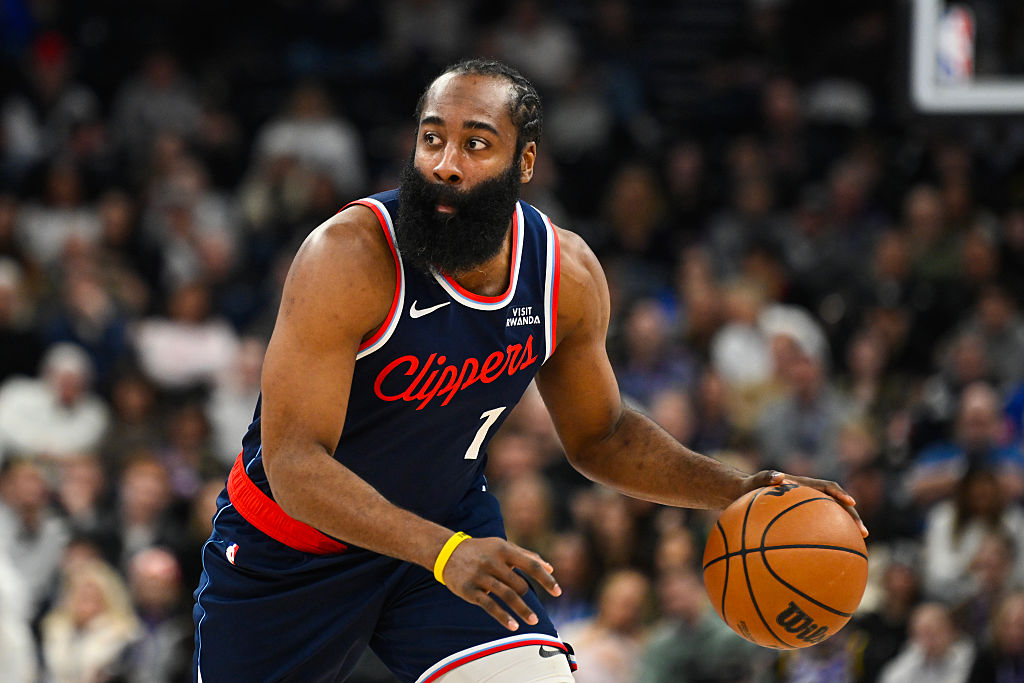
It seems like we’ve been here before. That’s because we have. That’s the feeling that washed over the basketball world last night, when the Cleveland Cavaliers pulled off one of the wildest moves of the 2025-26 season: trading for James Harden from the Los Angeles Clippers in exchange for fellow guard Darius Garland and a second-round pick. Harden, the 11-time All-Star and former MVP, is averaging 25.4 points, 8.1 assists, and 4.8 rebounds this year — his strongest output in years — and now heads back to the Eastern Conference to chase that elusive ring. Garland, just 26, was averaging 18.0 points and 6.9 assists before an injury sidelined him.
That’s where the conversation gets messy. Fans are shaking their heads because the Clippers — who struggled early, sure — have been playing themselves back into relevance over the last month (they have won 17 of their last 23 games), clawing up toward a play-in spot with Harden in the fold. Yet here we are, Harden’s on the move again. A lot of NBA heads aren’t convinced this Cleveland switch will finally be “it,” especially when you consider how this narrative usually goes for him. Playoff performance? Critics point to past collapses. Then there’s the Donovan Mitchell factor — another top guard, who has never made it to a Conference Final (with the Jazz or Cavaliers). Harden’s late-season migrations have drawn the “quitter” label from fans who see him fleeing at the first sign of adversity.


Let’s keep it balanced, though. There is logic behind Harden’s decision — cold-blooded, career-minded logic. First, the Eastern Conference is weaker than the brutal West. At 36 years old, Harden knows there aren’t infinite cracks at the Finals left for him. Cleveland presents a clearer lane than the late-blooming Clippers are carving. Second, it’s been clear that the Clippers weren’t fully committed to locking him in long-term — no major extension talks, no clear vision of Harden as part of the next decade in L.A. Finally, both teams do benefit: Cleveland gets a seasoned playmaker to shared the load with Mitchell, while the Clippers land a decade-younger All-Star in Garland who gives them flexibility and cap stability.
For some fans — especially the basketball-savvy community that knows how these business mechanics run — Harden’s move made sense. People pointed out the hypocrisy of expecting unwavering loyalty from players when organizations rarely show it back. If a player doesn’t feel valued, isn’t getting paid his worth (or what he thinks his worth is), or sees a clear path to success elsewhere, why not go get that bag and chase a ring while you still can? In any other career, that’s basic employment logic — and Harden’s just treating his profession like a business. Loyalty is earned, not owed.
Although this trade might have surprised some, swapping two star point guards mid-season is not common. However, Harden is familiar with it. This is now the sixth team he’s joined in his NBA journey, and in all but one case, he played a major role in making it happen. Harden’s history of engineering his exits has become part of his legend — for better or worse. Here’s a breakdown of all of his transitions and how they went down:
1. Oklahoma City Thunder —> Houston Rockets
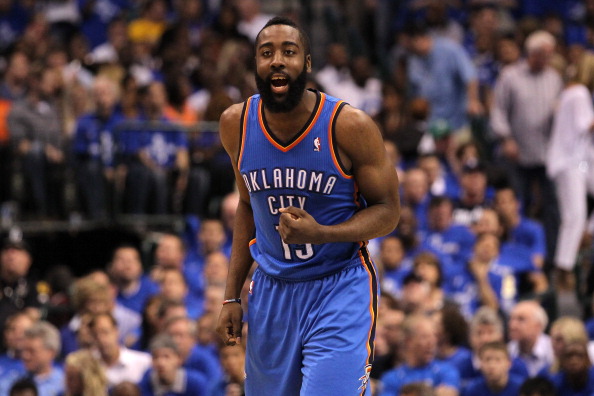
Official Trade: October 27, 2012 — Harden was sent to the Rockets after OKC decided not to pay him (in essence choosing Serge Ibaka over him), breaking up their “Big Three” with Kevin Durant and Russell Westbrook. At the time, the Thunder weren’t about to lock in all three long-term, and Houston pounced.
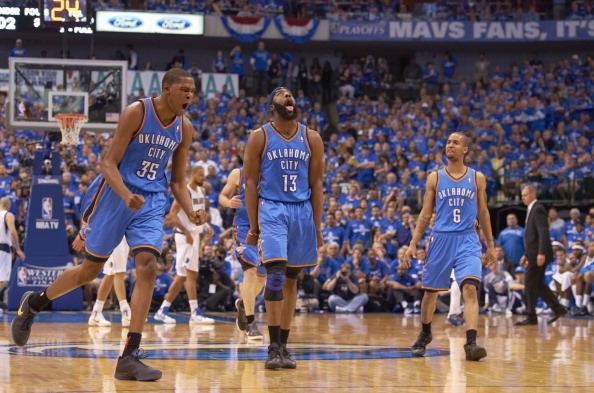
It wasn’t really Harden’s fault — the Thunder’s front office made the tough choice of paying two stars instead of three — but Harden’s departure kick-started his superstar rise with Houston.
2. Houston Rockets —> Brooklyn Nets
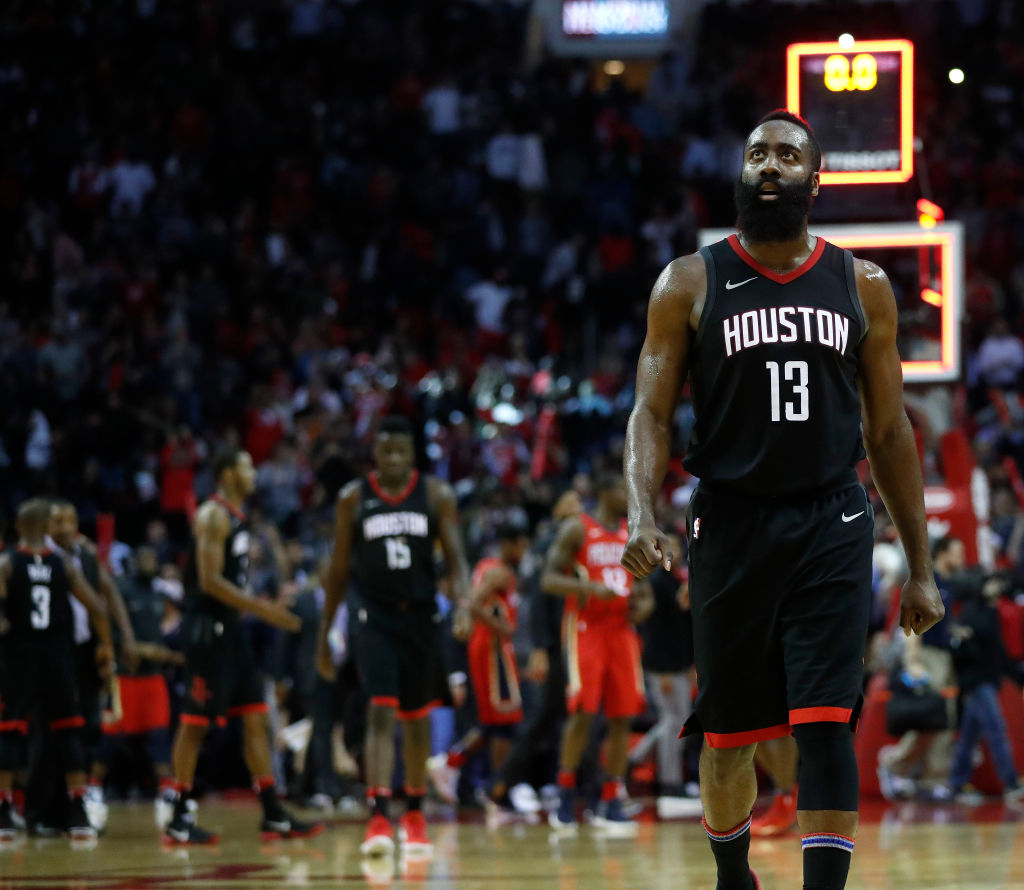
Official Trade: January 14, 2021 — After multiple heartbreaking playoff exits at the hands of the Golden State Warriors and other teams, Harden orchestrated one of the NBA’s most theatrical departures. He refused to show up for Houston and even showed up to practices in a “fat suit” as a meme-worthy protest to get moved. Eventually, he landed in Brooklyn to form a mega-team with Kevin Durant and Kyrie Irving — though that experiment was short-lived.
3. Brooklyn Nets —> Philadelphia 76ers

Official Trade: February 10, 2022 — Harden left Brooklyn amid injuries, COVID drama with Kyrie Irving, and constant turbulence. The Sixers, stacked with talent and chasing a real Finals shot, made the move. When Harden, Durant and Irving were healthy together, Brooklyn looked nearly unstoppable — but fit issues and injury setbacks resurfaced. Harden made his move with his sights set on a championship window that felt ready in Philly.
4. Philadelphia 76ers —> Los Angeles Clippers
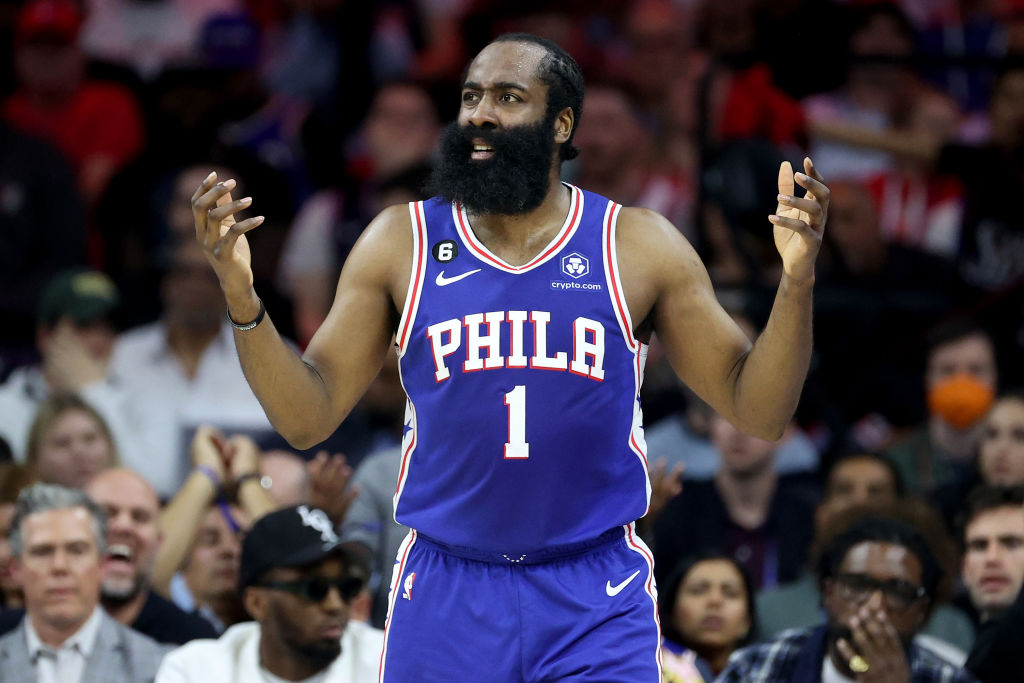
Official Trade: November 1, 2023 — This once came after that infamous China incident and lingering tensions with Daryl Morey, culminating in public criticism and a narrative that he would never play for Morey again.
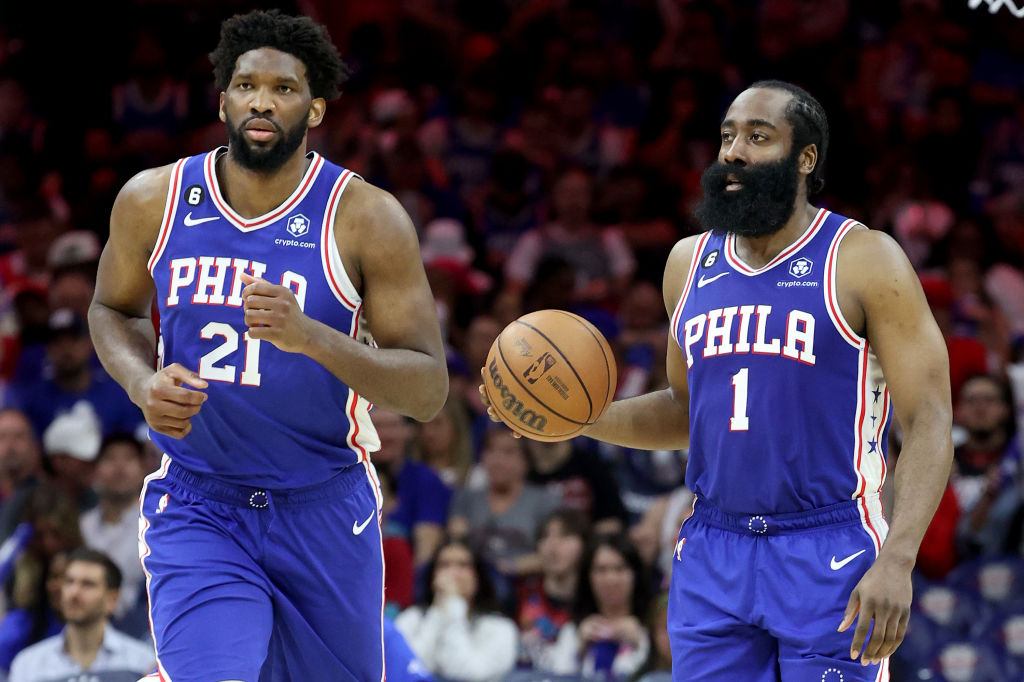
The Clippers gave him a fresh start alongside Kawhi Leonard (and Paul George for some time) — but chemistry and playoff success proved elusive, leading to last night’s exit.
5. Los Angeles Clippers —> Cleveland Cavaliers
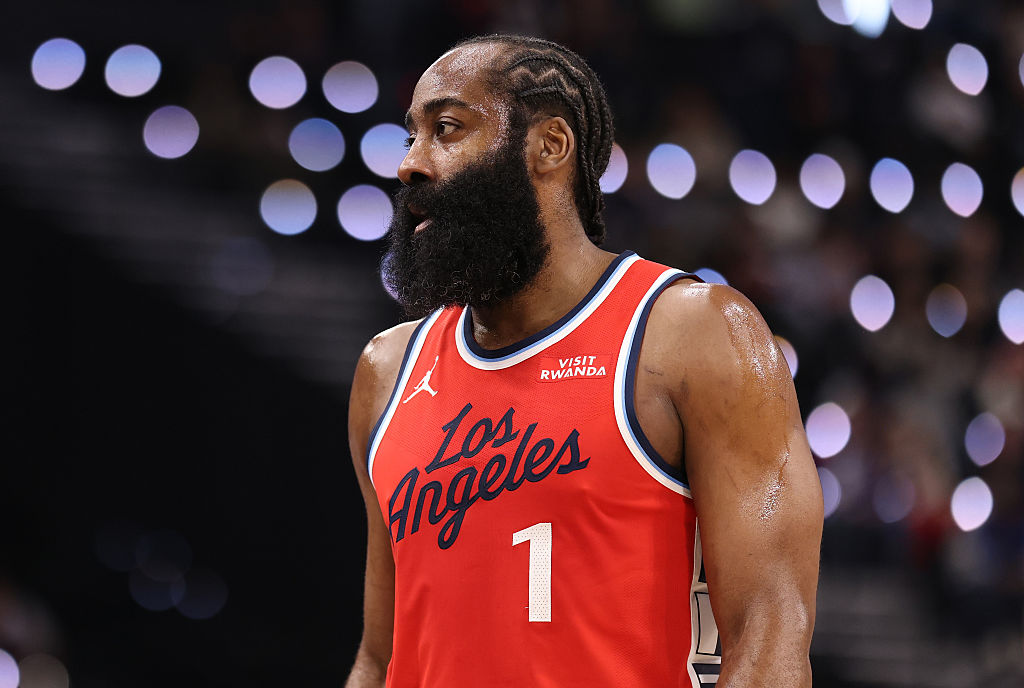
Official Trade: February 3-4, 2026 — In the midst of a surprising hot streak for L.A., Harden’s departure still caught many off guard. He denies formally demanding out, but the end result was the same — with Cleveland sending Garland and a pick to bring him in. Harden is betting that this chance in the East — at age 36 — is the clearest championship route he’s had in a long time.
See how social media is reacting to the Harden trade below.
James Harden & The Art Of The Exit: A Look At His Trade History - Page 4 was originally published on cassiuslife.com