Remembering MLK's Call For Economic And Racial Equity
On Jobs And Justice: Remembering MLK’s Call For Economic And Racial Equity
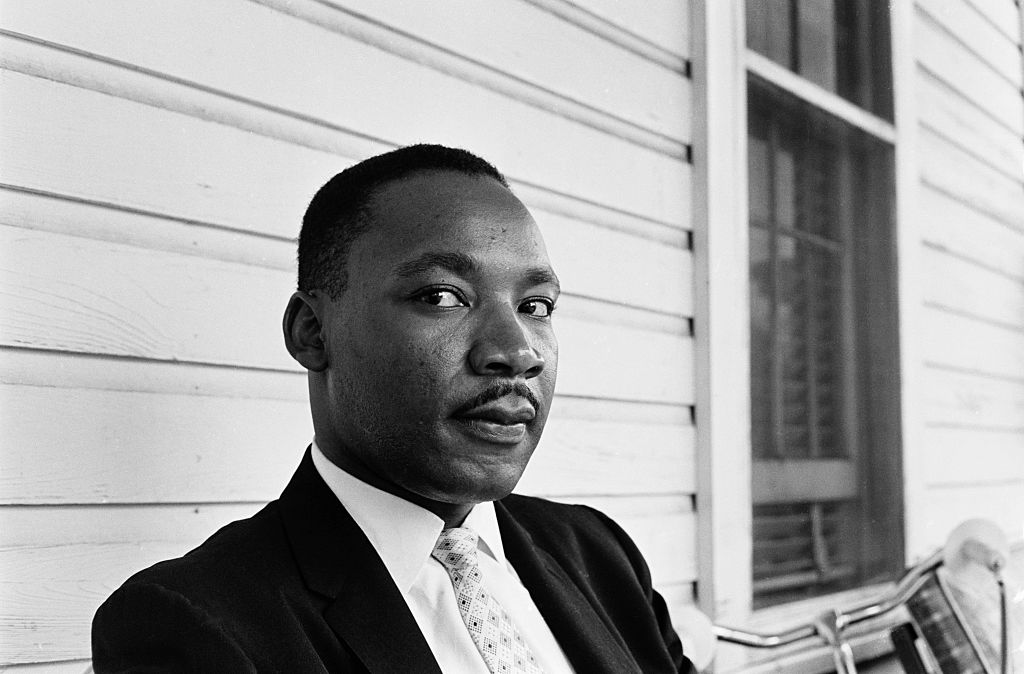
Every year, people always trot out the same old tired tropes and quotes in a weak effort to pay tribute to Dr. Martin Luther King Jr., almost always ignoring his call for economic and racial equity. Many get stuck on a dream or what they think they know about him.
But few ever grapple with the true crux of Dr. King’s work and the clarion call he and others had for jobs and justice. It’s not just a part of the name for the March on Washington, but a part of the drive and mission of a man committed to forcing this country to take a hard look at itself and adopt a new moral compass.


As a Black man committed to justice and living in the Deep South, in the belly of Jim Crow and in the belly of American authoritarianism, King understood firsthand the impact of racism and injustice on the economic well-being of his community.
Even when we look at the civil rights struggle around desegregating public schools and public accommodations, it was always so much more than getting next to white people. It was very much a matter of economics and redress for the exclusion and systemic disinvestment of Black communities from our tax dollars. We’ve always contributed to this country’s financial status quo and have yet to receive the true benefit of our forced investment.
Just as formerly enslaved Black people were dispossessed and denied rightful compensation for their time, treasure, and talents, so were their children and grandchildren carved out from the so-called American dream. A dream used to demonize and admonish us en masse for not rising to the same level of economic ability and achievement as white people had on average.
But as Dr. King and many others have called out, the so-called American dream is a white mirage, steeped in hypocrisy and meant to have us chasing the impossible while we are subject to a massive theft. Sitting with the full context and breadth of several of his speeches, I couldn’t help but reflect on the never-ending cycle of high Black unemployment and underemployment. Both historic and a crisis, and now reaching new highs not seen in recent years.
I think about Black women forced from the workplace and denied the actual investment in our genius and labor, an old story with new 21st-century implications. And there’s the struggle of nurturing and raising Black youth into their full adulthood as they face staggering challenges with entering the workforce and earning a meaningful wage.
As the mother of two beautiful Gen Z souls, I can tell you it is a challenge helping them find their way into their full adultselves so they can stand ten toes down in a future where they can thrive. Can you imagine growing up and being told you aren’t worthy or responsible unless you earn x amount or achieve certain milestones? Yet the ability to do so is increasingly more challenging today than it was for the most recent two generations.
And while it isn’t a complete consolation, I look at the resurging support for mass movements and labor organizing that is standing up and showing what is possible if we choose a different way. While not a labor organizer, much of King’s later work involved workers’ rights and organizing with labor movements. Coretta Scott King, King’s wife and partner in organizing, also had her hand in supporting healthcare workers showing up in Charleston, South Carolina, mere months after his murder.
She wasn’t just picking up his baton and continuing his legacy; it was their shared commitment to elevating the throughline of economic justice and combating the illusion and hypocrisy of American capitalism. A system built with the full faith and credit of the U.S. government and administered by white citizens councils and state and local officials who worked hard to deny Black workers and their families meaningful access to the resources produced as a result of our labor.
Today, when we look at where we are and the extreme wealth inequality in this country, in the past year alone, we’ve seen billionaires nearly tripling their wealth. The world’s richest man is on his way to being the first trillionaire. Even though his AI is crashing, he’s still cashing in at our communities’ expense.
American capitalism has always been extractive and directly tied to the triple evils Dr. King referenced in his 1967 speech in Chicago. We’re witnessing the intersection of racism, militarism, and materialism on full display with what’s happening in cities around this country and in the abusive power plays in Nigeria, Venezuela, and Greenland.
But King didn’t just give poetic statements ripe with prophetic analysis. He offered clear moral insights into policy that connected people’s real needs with real legislative action, arguing for programs that moved the country toward full employment and affordable housing, among others.
So when we’re reflecting on the life and legacy of Dr. King and what it means to continue the dream, we can’t disregard the exploitive systems that suppress our rights and deny opportunities in favor of a select elite few. We also cannot let the aspirational billionaire inside some of us, making us live a lie and hide from the reality of our communities.
Bottom line, when we’re talking about the fight for jobs and justice, we’re talking about self-determination. We’re not just talking about slick quotes for the Gram, but how to build better so we can move beyond just getting from point A to point B.
SEE ALSO:
10 Meaningful Ways To Observe MLK Day of Service & Make An Impact
Honoring Dr. King’s Legacy in a Time of Continued Resistance
On Jobs And Justice: Remembering MLK’s Call For Economic And Racial Equity was originally published on newsone.com